


What does intelligence (and by association stupidity) mean today, who gets to claim it, and what happens when thinking itself becomes increasingly outsourced to machines? AI has moved from novelty to daily habit at dizzying speed. Increasingly, people defer to AI not just for efficiency, but for judgement. Somewhere along the way, thinking started to feel optional.
For brands, this changes the equation entirely. In a world of infinite AI-generated content, polish becomes cheap. Personality, perspective and cultural fluency become harder to fake. The challenge isn’t about speed and producing more. Instead, it’s about producing something that feels distinctly human.
Join us on 1st July 2026 to discuss this and more, as part of the launch of our STUPID REPORT:
SEEDS
 Protein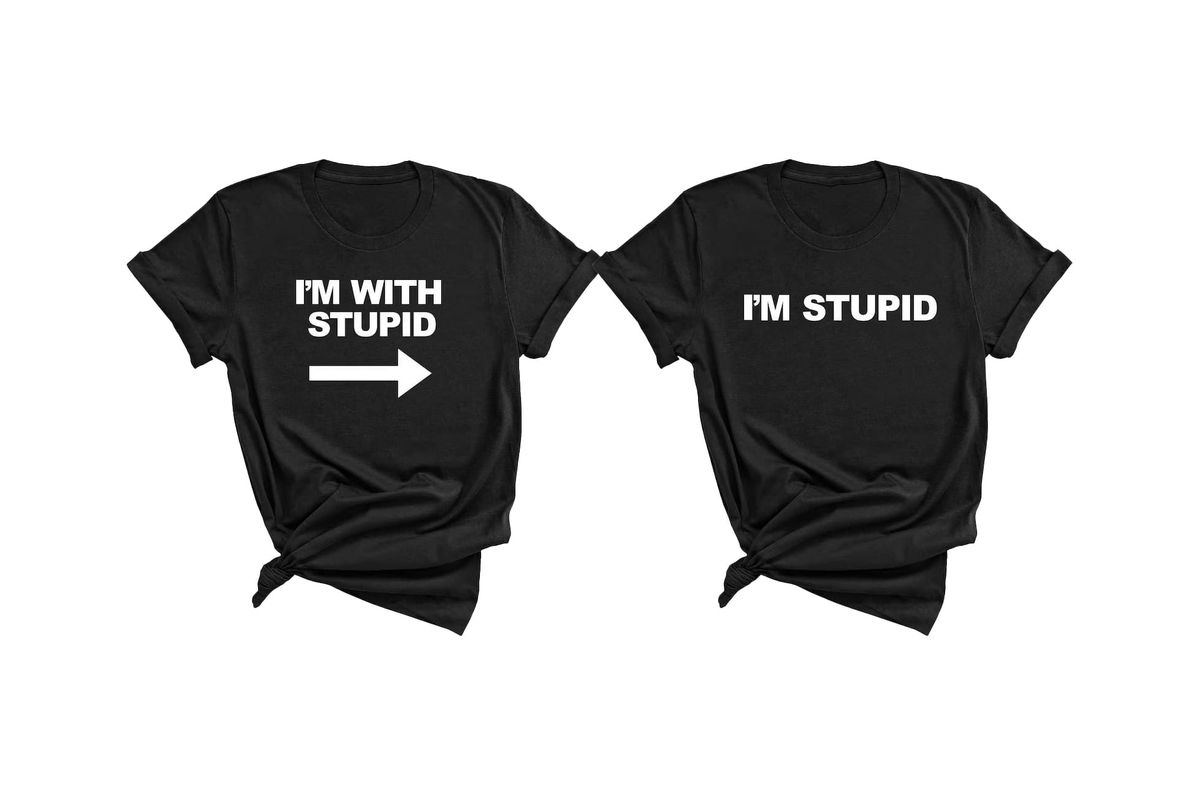
 Protein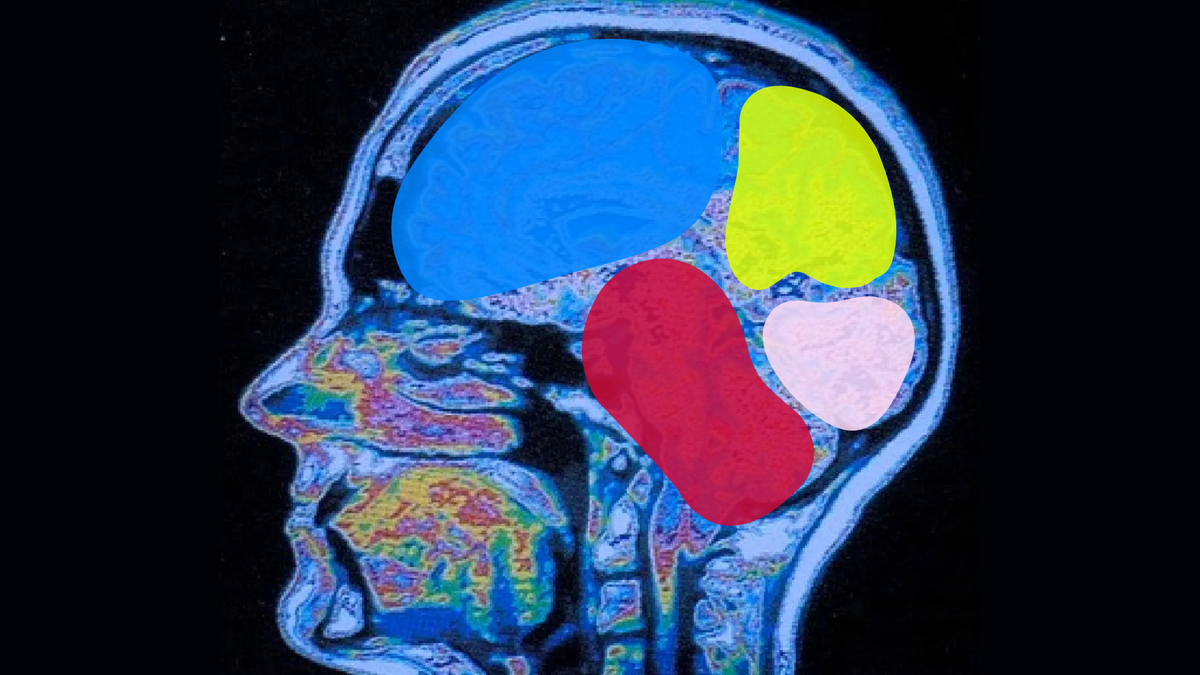
 Jon Jacobsen
 Protein
 Protein
 Sophia Epstein
 Idil Galip
 Protein
 Protein
 Protein
ARCHIVE
This OBSERVATION doesn't feel like it's 10 years old, but it is. Included in The Currency Report, it was written by Anna Burzlaff with photos by Jonnie Craig, Viv Vadoliya, Drew McGill.
Under the Influence

The landscape of social influence is changing. This means new rules and expectations when it comes to marketing on social media.
In 2009, Zoe Sugg decided to start vlogging. The 19-year-old had already set up a blog, but buoyed by other vloggers she wanted to attempt her first film. One of her first successes was “60 Things In My Bedroom”, a video composed of Sugg holding up items from her room. If it sounds simple, it was. The four minute video was twee, wholesome, banal even.
At the time of writing this article, Sugg, better known by her blogging name, Zoella, has close to 10 million subscribers, two book deals and multiple brand collaborations. Her rise charts the transformation of a 19-year-old student with a strong West Country accent to a global superstar with legions of fans. It is no mean feat, and the fact that it was social media, in this case YouTube, that got her there, makes it all the more extraordinary.
Influencers remain a key mediator between product and consumer. As social media continues to grow, what makes an influencer is changing. As consumers continue to look to their peers and immediate network for inspiration, the power of influencers and influencer content is only set to grow in the future. According to our Currency Survey, 94% of people trust the opinion of individuals over brands. It’s unlikely that the power of the influencer is going to dissipate. The direction it will take, however, is open to speculation. What’s clear is that influencers need to offer more than posed selfies and unimaginative hashtags. Rising cynicism means that brands and influencers alike need to work in tandem.
All of this means that offline is still important. Authenticity is rooted in real life. Ignoring it online has become staid and uninspiring. “Some of the biggest influencers in the skate world, for example, are at every party, every shop opening,” says Bickley. “Showing they are a part of the community. That’s what people want to emulate and look up to. So offline and online aren’t mutually exclusive. At best, when they work to their fullest they are completely connected.”
(paywall has been removed ;-)
STORE
 Protein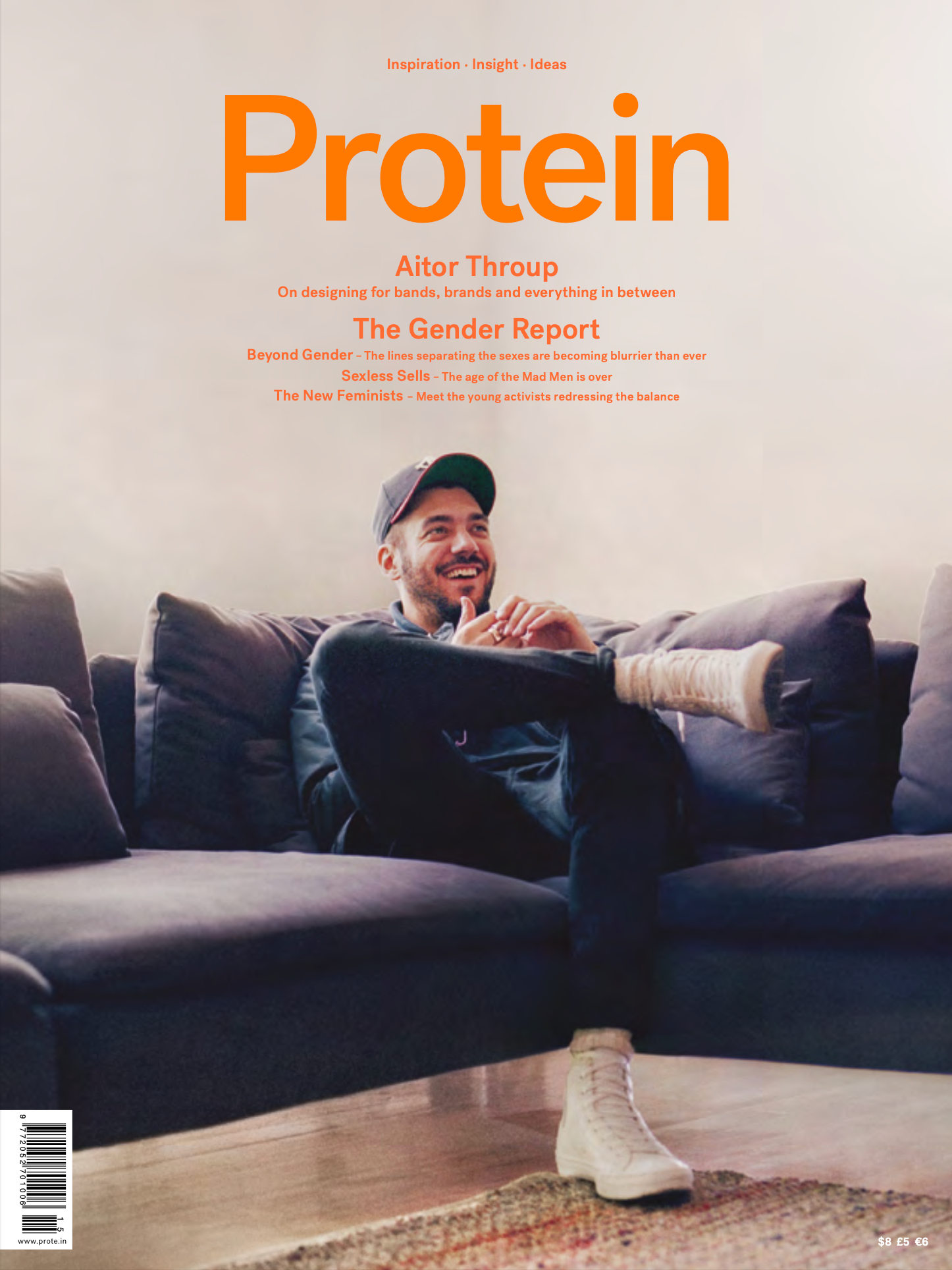
 Protein
 Protein
 Protein
 Protein
 Protein