Old devices reveal what's missing from technology today.
Our craving for old hardware isn’t purely nostalgia. It’s a desire for a point of view in a world full of homogeneity. We yearn for devices that stand out over devices that say nothing, leaving old hardware as a go-to choice for this obsession.
Alexi Gunner wrote a SEED about how audiophilia and hi-fi systems were becoming markers of taste and identity. This interest, alongside another SEED on retro hardware revival, is more of a contextual clue than a nostalgia trip: companies used to make distinct design choices, cater to specific audiences and build objects of affection for those communities. Now it’s just a question of which rectangle you prefer.
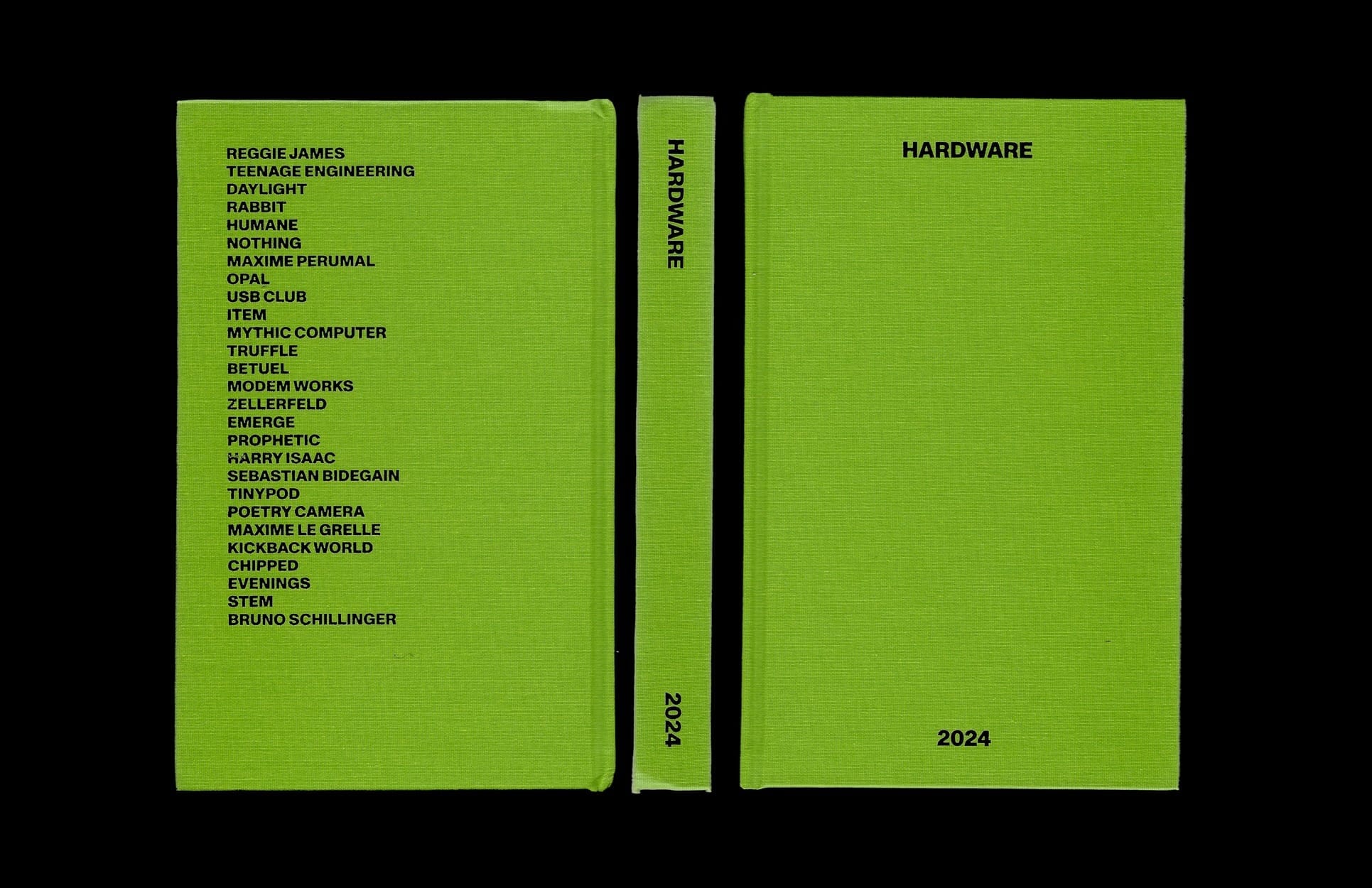
Hardware 2024 by Reggie James
A friend of mine, Reggie James, published a book in 2024 titled Hardware (highly recommend!) cataloguing, interviewing and deciphering some of the current trendsetters in the hardware-making industry who are leading these new perspectives. He highlights why “devices are an embodiment of values” and how important that signification is.
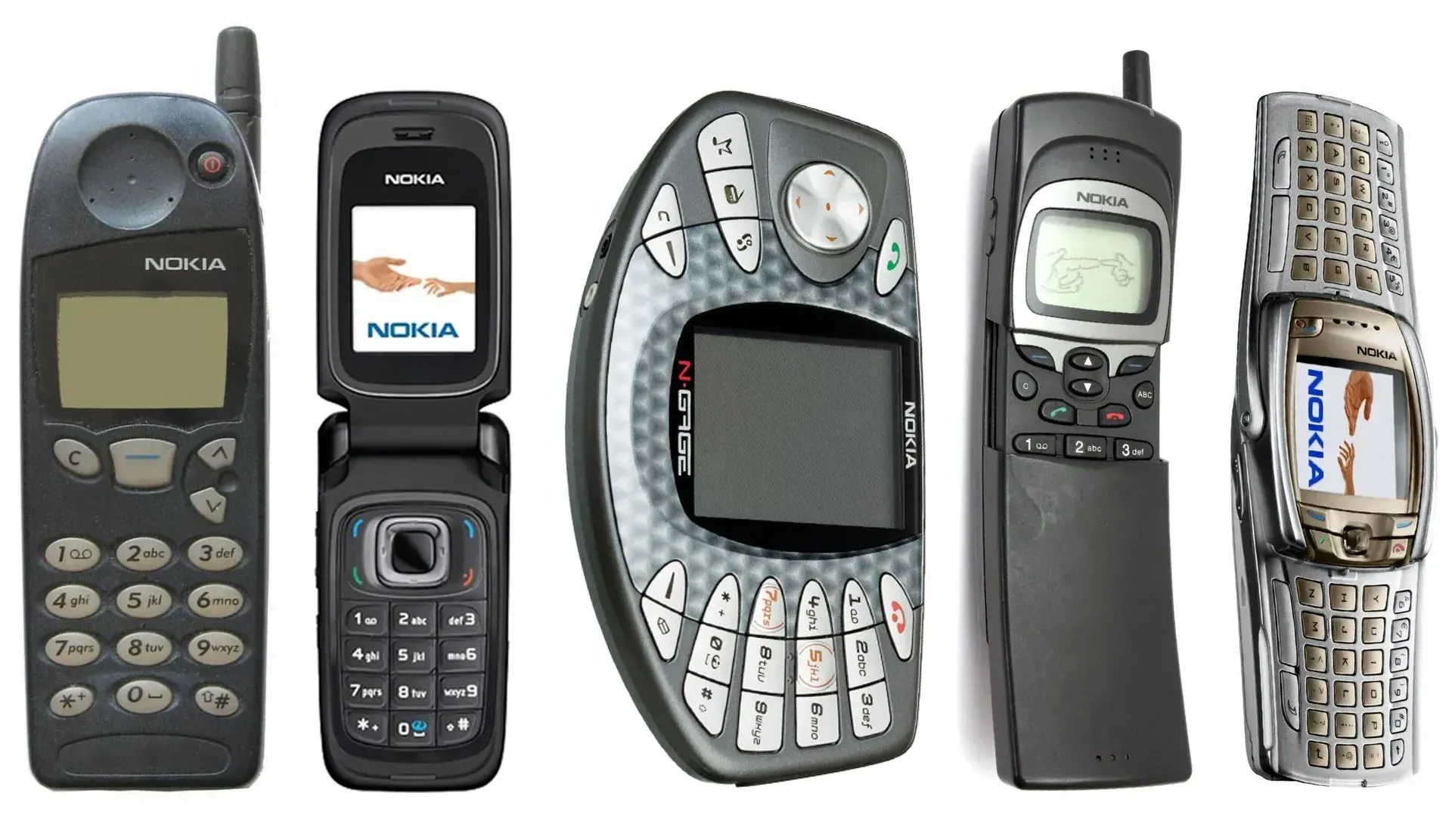
Hardware from the late 1990s through the early 2010s seems to come from a period of multiple philosophies and perspectives. Whole factions carved themselves out using hardware as an identity marker. Specific groups had their products of choice, but what was even more true was that these products were literal signifiers of belonging. The hardware both informed and was shaped by the communities around it. We had Nokia and its entire ecosystem of strange phones with bizarre shapes for the quirked-up techy.
Source: GQ
Sony’s PSP was the most accessible media device for younger teens before they could touch a smartphone, doing more than their parents knew it could. Or take the early iPod Shuffle, a simple music device that also functioned as a wearable accessory. Every brand had a distinct perspective, design language, colour palette, layout, and culture surrounding it that embodied the ethos it represented.
That isn’t true today. We see more of a superficial accessorising happening, which feels like the first phase of a broader cultural response to this issue. When the
Protein AGENCY provides insight, foresight and strategy for global brands that's rooted in culture and the collective knowledge of SEED CLUB - our decentralised research community of 450+ global experts.