How performative audiophilia is turning tangled earbuds and hi-fi systems into a new language of taste, identity and display.
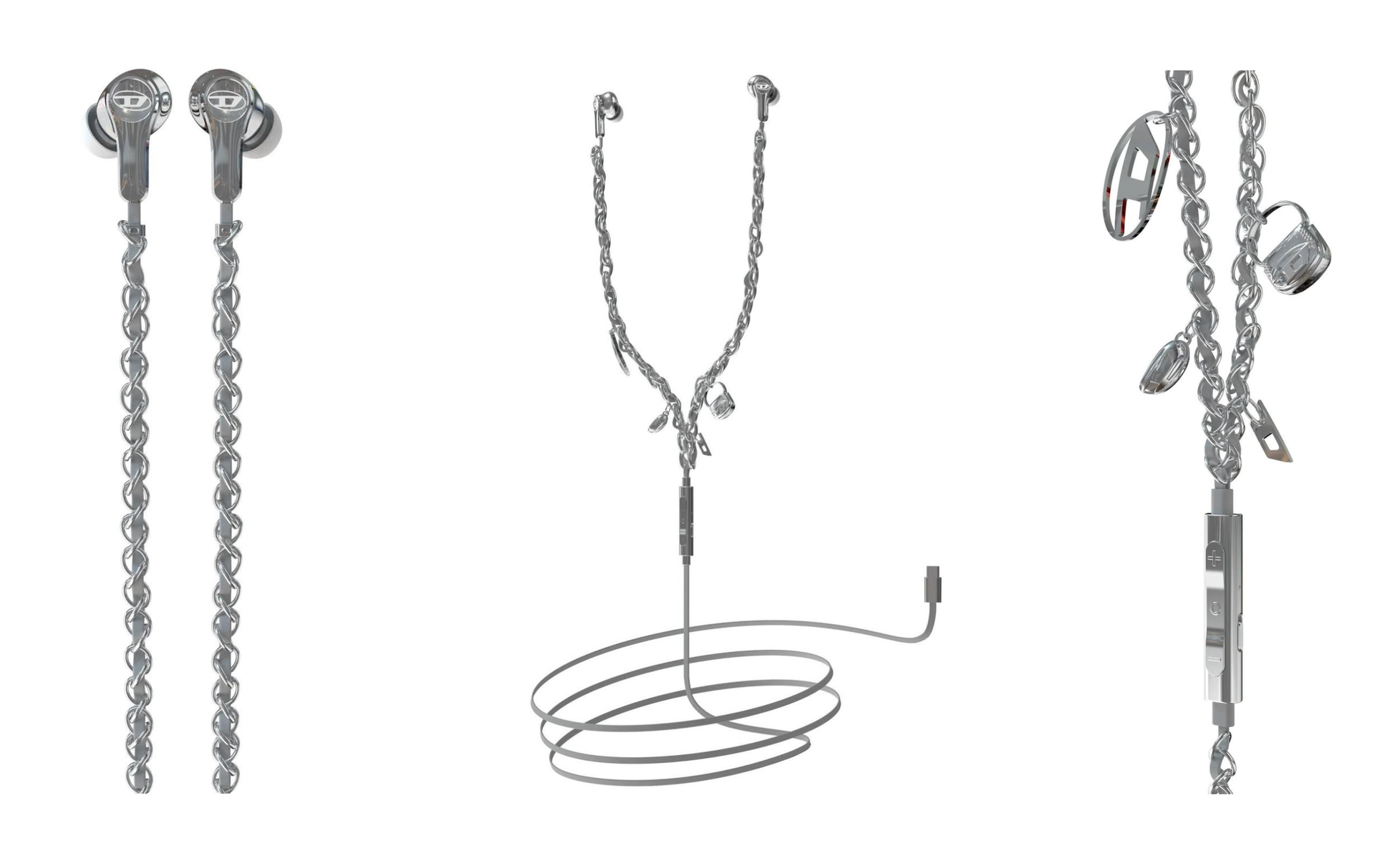
The Italian fashion brand Diesel turned heads last month with a new release: a set of headphones plated in industrial aluminium, decked with edgy lockets and charms. True to the brand’s subversive ethos, the headphones sidestep the usual consumer-tech playbook where sleek, minimal, invisible has long reigned supreme. It’s music hardware designed to stand out.
Diesel isn’t alone in leaning into music hardware as a fashion statement. This season, headphones, CD players and boomboxes have been appearing everywhere on catwalks, in collections and across editorial shoots.
Diesel 60458 wired earbuds
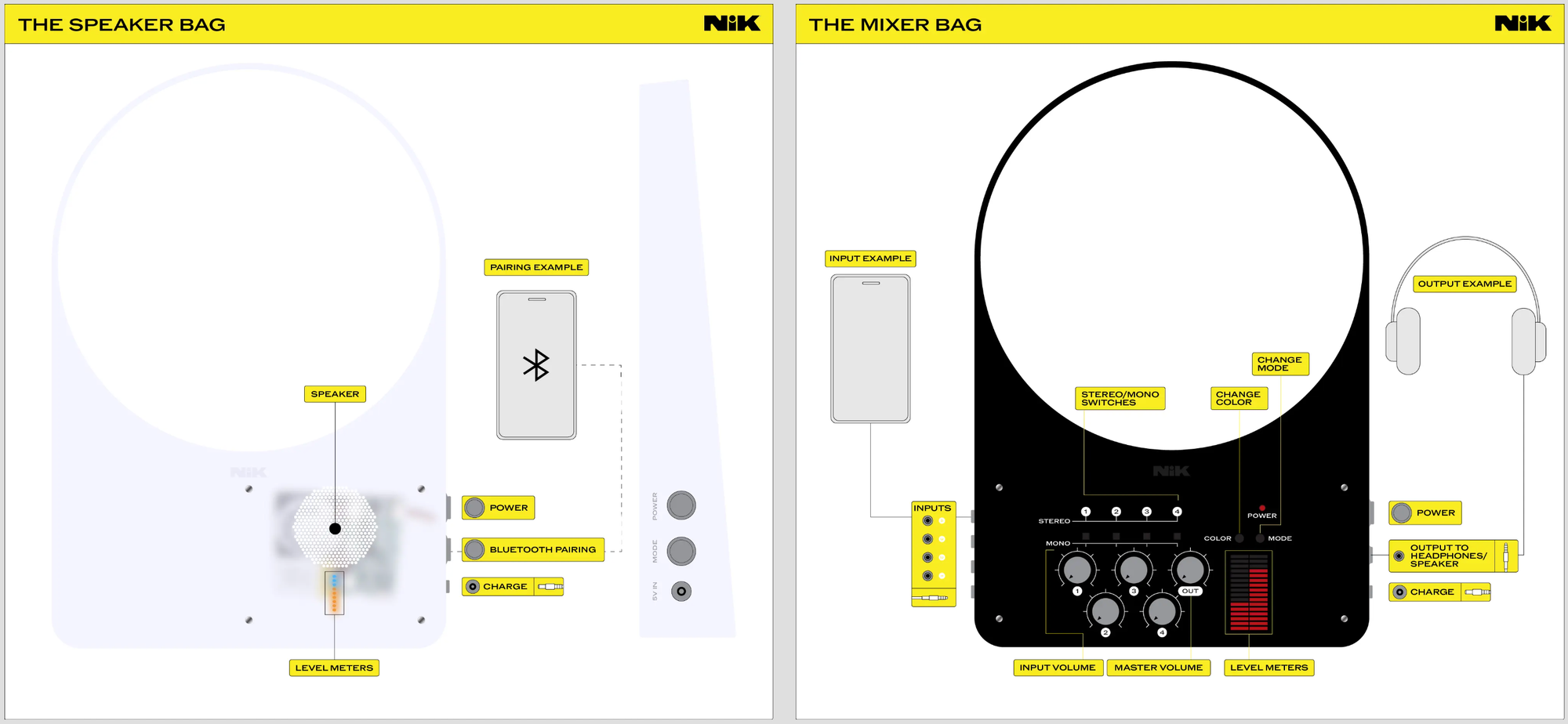
There’s Alyssa Liu’s shoot for Teen Vogue, where the Winter Olympics gold medalist poses amid a tangle of CD players and stereos. Sandro’s recent editorial features a model in bright orange 80s-style headphones. Miu Miu debuted a custom Walkman as part of its SS26 collection. And then there’s the Tati Fête Bag, a viral creation from Nik Bentel Studio: a personal stereo shaped like a bag, with a control panel for spontaneous sound-sharing. The list goes on, quietly multiplying.
The Tati Fête Bag, Nik Bentel Studio
On one level, analogue music hardware now functions as a convenient prop, instantly delivering nostalgic pop-culture charm. But on another, it signals something deeper about the way we listen. Audiophilia, once the domain of obsessive enthusiasts chasing top-tier systems, has evolved. Today, flexing music hardware – whether cutting-edge hi-fi or deliberately low-fi and retro – is performative and lifestyle-driven; a way to signal taste, style and cultural capital. While analogue audio offers a rich new visual and sensory language, brands risk reducing it to surface-level signalling. Without genuine functionality or cultural grounding, these cues can quickly read as hollow – another aesthetic to be cycled through.
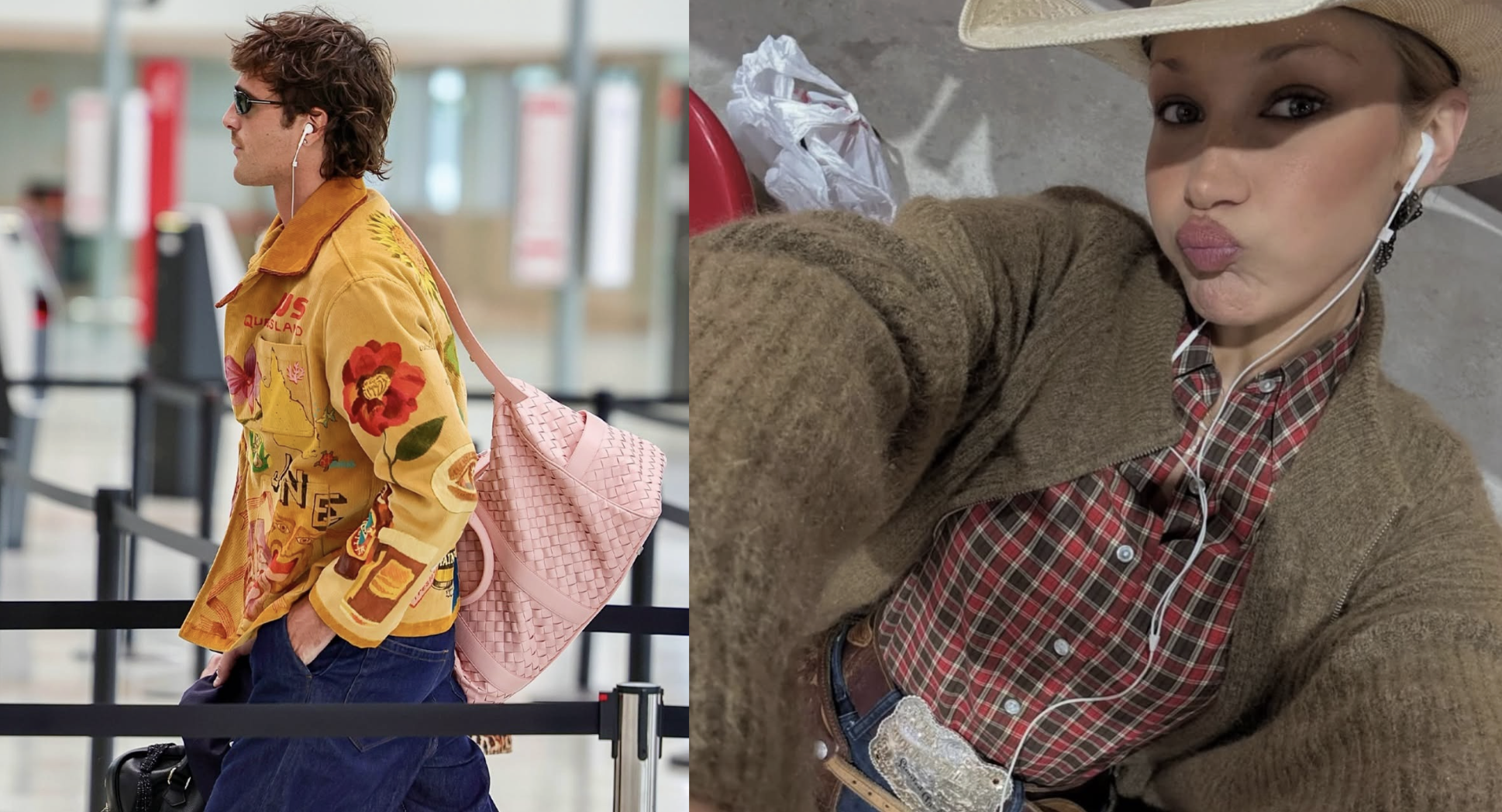
The theatricality of analogue audio first bubbled up with the rise of the “Wired It Girl.” Shelby Hull documented the trend on her @wireditgirls Instagram as early as 2021, tracking wired earbuds spilling from the ears of celebrities such as Bella Hadid. As Hull told CNN, it wasn’t about a technical preference: wired headphones had become cool precisely because they declared indifference to tech. “She’s obviously wealthy, she can afford AirPods, but she always stuck to the wire,” Hull said of Hadid. “And there was something so effortless about it: very cool, very unbothered to keep up with the latest tech trends.”
@wireditgirls
And just like tangled earbuds, retro MP3 players and portable CD players have quietly returned. They offer tactile, physical interaction: buttons to press, weight to feel – a far more personal experience than swiping through Spotify on a black-mirrored iPhone.
Apple’s now-discontinued iPods, in particular, are enjoying a renaissance. A lively second-hand market has emerged around customised iPod Nanos with altered shells and clickwheels. iPod Shuffles, with their Dieter Rams-inspired industrial sensibilities and bright colours, have even been repurposed as hairclips – a form of wearable tech in its truest sense.
Protein AGENCY provides insight, foresight and strategy for global brands that's rooted in culture and the collective knowledge of SEED CLUB - our decentralised research community of 450+ global experts.