Background Brands
If the attention economy built was on interruption, the next competitive advantage is creating something people simply choose to leave on.
We talk about attention like it’s binary: you have it or you don’t. The attention economy is built around this assumption, rewarding whatever can hijack the foreground of your consciousness long enough for that moment to become measurable. You scroll until something stops you, and the thing that stops you wins.
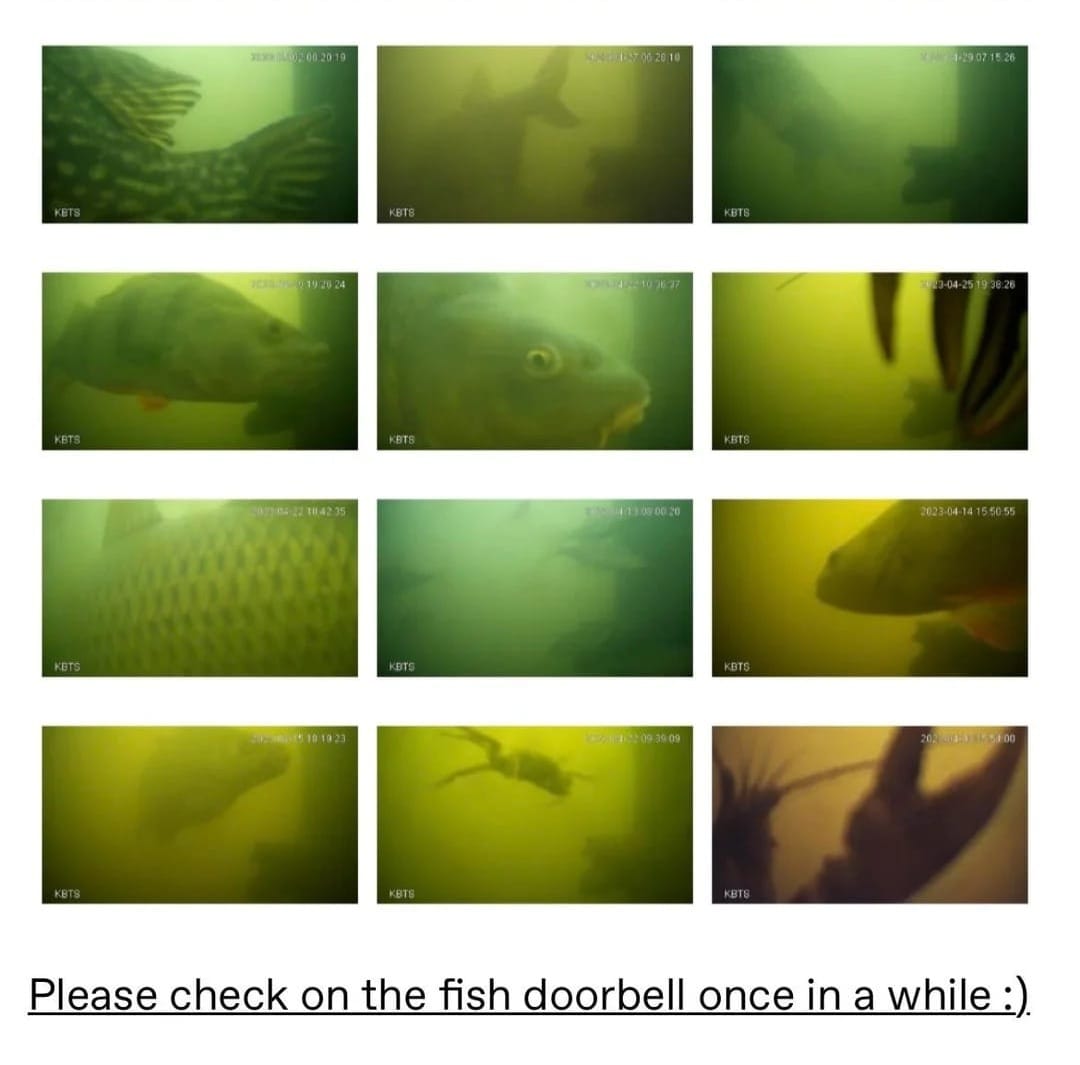
But some media is meant to occupy a room without becoming the centre of it: rain sound recordings, lo-fi study beats, slime tutorials, kinetic sand compilations, 12-hour train window POVs, the fish doorbell cam.

These get sorted into different buckets, like slow media, lo-fi productivity, sensory loops or comfort media, but their core function is the same: media that sits at the edge of attention and adds texture to the room. Something to fold laundry alongside, fall asleep near or use as a small bridge between one state and the next.
What gives this media its appeal is what makes it hard to account for: it works by staying peripheral. Someone may barely look at the video, half-hear the playlist or forget the stream is still open, yet still let it give the task a little structure. It’s actively chosen without asking to be actively watched, which is a distinction the capture model was never really built to hold.
Research on attention has long been pushing against the all-or-nothing view. Anthony G. Greenwald and Clark Leavitt’s classic advertising model separated involvement into levels: preattention, focal attention, comprehension, elaboration. More recent attention research makes a related distinction between a threshold of awareness, where attention can be counted, and a higher threshold of “useful attention”, where attention is more likely to produce an effect. That threshold can shift depending on the medium, the format and the nature of the message. That’s the blind spot background media exposes: the capture model is better at recognising the moment someone stops than the media people choose because it lets them keep going.

Low-Demand, High-Return
Some of the appeal is psychological. Familiar media lowers the effort required to enter a moment because you already know its emotional temperature, roughly what it will ask of you and how much of yourself to bring.
Robert Zajonc’s work on mere exposure is useful here because it takes repetition seriously as a mechanism. Repeated contact with a stimulus can make it feel more familiar, and more liked, even without active attention. The same show, sound or creator can become meaningful through return rather than intensity, which is a different kind of stickiness than the one platforms are set up to reward.
Nick Couldry’s concept of “media rituals” adds the structural layer: small, repetitive practices that keep the world feeling orderly. Low-demand media helps people steady themselves in overstimulating environments, returning them to something like baseline. The ritual is functional in ways that tend to get read as passive, which is part of why it’s stayed so undertheorised. Framing it as shrinking attention spans mistakes the choice for a deficit.
For brands, this suggests that value isn’t always created by commanding attention, but by reducing cognitive effort. The brands that become part of everyday rituals often do so by making a moment feel easier, calmer or more complete – not louder.
The Terms
A person cooking or cleaning has already negotiated how much attention is available, and the media they choose for that moment was selected, consciously or not, because it fits those terms. Yet a lot of branded content asks for eye contact from someone who wants accompaniment. In a backgrounding context, interruption can damage the very moment the person was trying to make more bearable, which means the brand lands as friction rather than presence.
In 2021, Barilla released Spotify playlists timed to the exact cook time of different pasta shapes, each track matched to al dente. You pressed play, threw your rigatoni in and the brand moved alongside a ritual that was already happening. The content had a pace and a function, slotting into the evening rather than competing with it.

Online communities such as r/MealtimeVideos exist around the same search: the right thing to watch while eating, long enough to last through a meal, structured enough to follow without staring, voiced enough to feel like company. The ideal video in that context is rarely the most attention-grabbing, but the one that behaves well beside another activity. Background media often succeeds through compatibility. It has to know how much of the room to take up and when to recede without making the person manage another demand.
A video left running or a show folded into someone’s evening routine is a small form of permission. The brief is simple enough: make something people would leave on. Start with the task already happening and the attention already spoken for. A brand that earns that kind of place tends to be harder to dislodge because it’s been invited in. It’s learned how to belong to the room.
That shifts the challenge: from capturing attention to understanding what role a brand can play within a moment already in motion. The answer may not be another interruption, but a better companion. There is growing strategic value in creating things people are willing to leave running.
| SEED | #8423 |
|---|---|
| DATE | 30.06.26 |
| PLANTED BY | NATALIE PODAIMA |