Our craving for old hardware isn’t purely nostalgia. It’s a desire for a point of view in a world full of homogeneity. We yearn for devices that stand out over devices that say nothing, leaving old hardware as a go-to choice for this obsession.

Alexi Gunner wrote a SEED about how audiophilia and hi-fi systems were becoming markers of taste and identity. This interest, alongside another SEED on retro hardware revival, is more of a contextual clue than a nostalgia trip: companies used to make distinct design choices, cater to specific audiences and build objects of affection for those communities. Now it’s just a question of which rectangle you prefer.

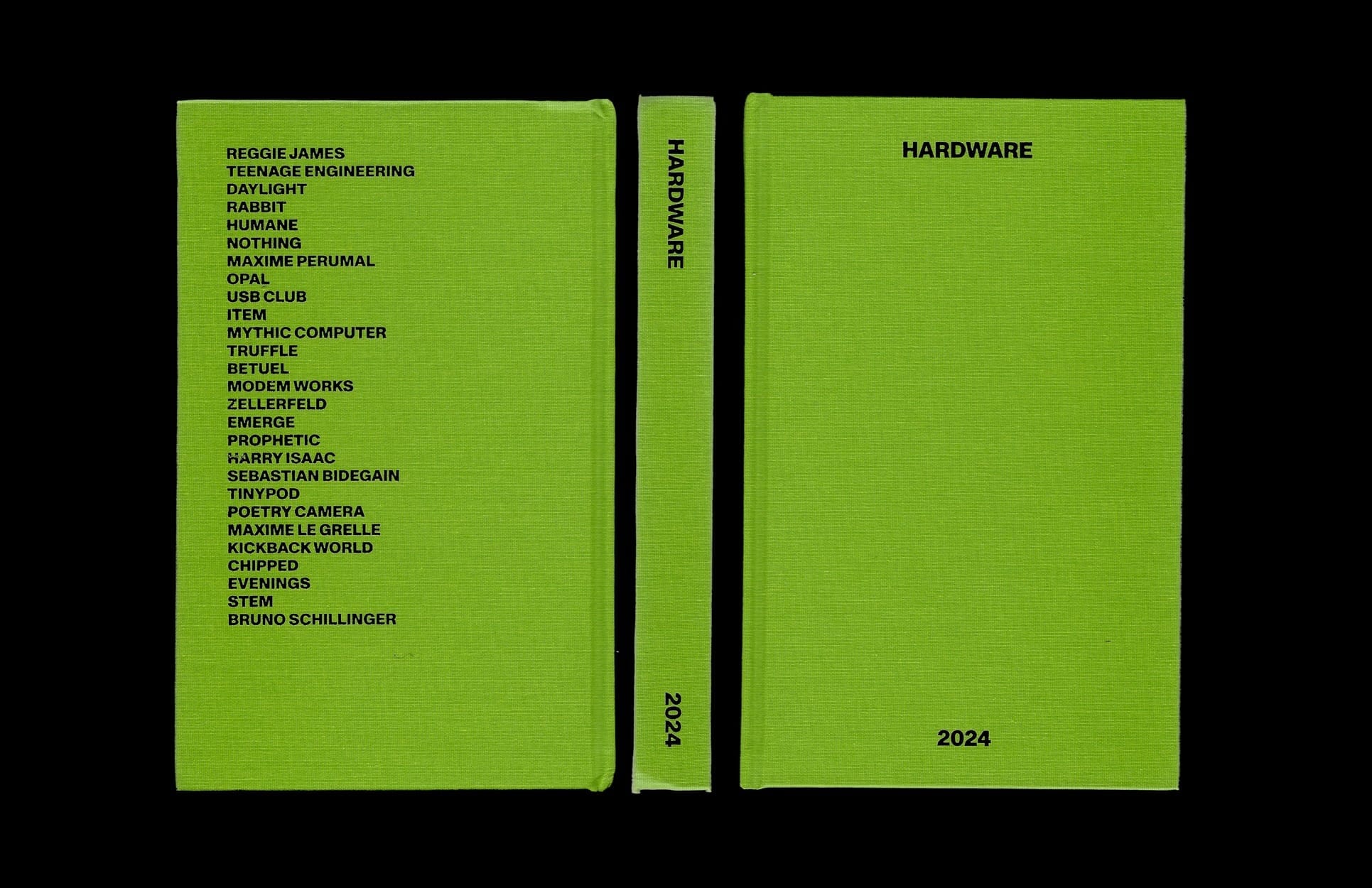
Hardware 2024 by Reggie James

A friend of mine, Reggie James, published a book in 2024 titled Hardware (highly recommend!) cataloguing, interviewing and deciphering some of the current trendsetters in the hardware-making industry who are leading these new perspectives. He highlights why “devices are an embodiment of values” and how important that signification is.

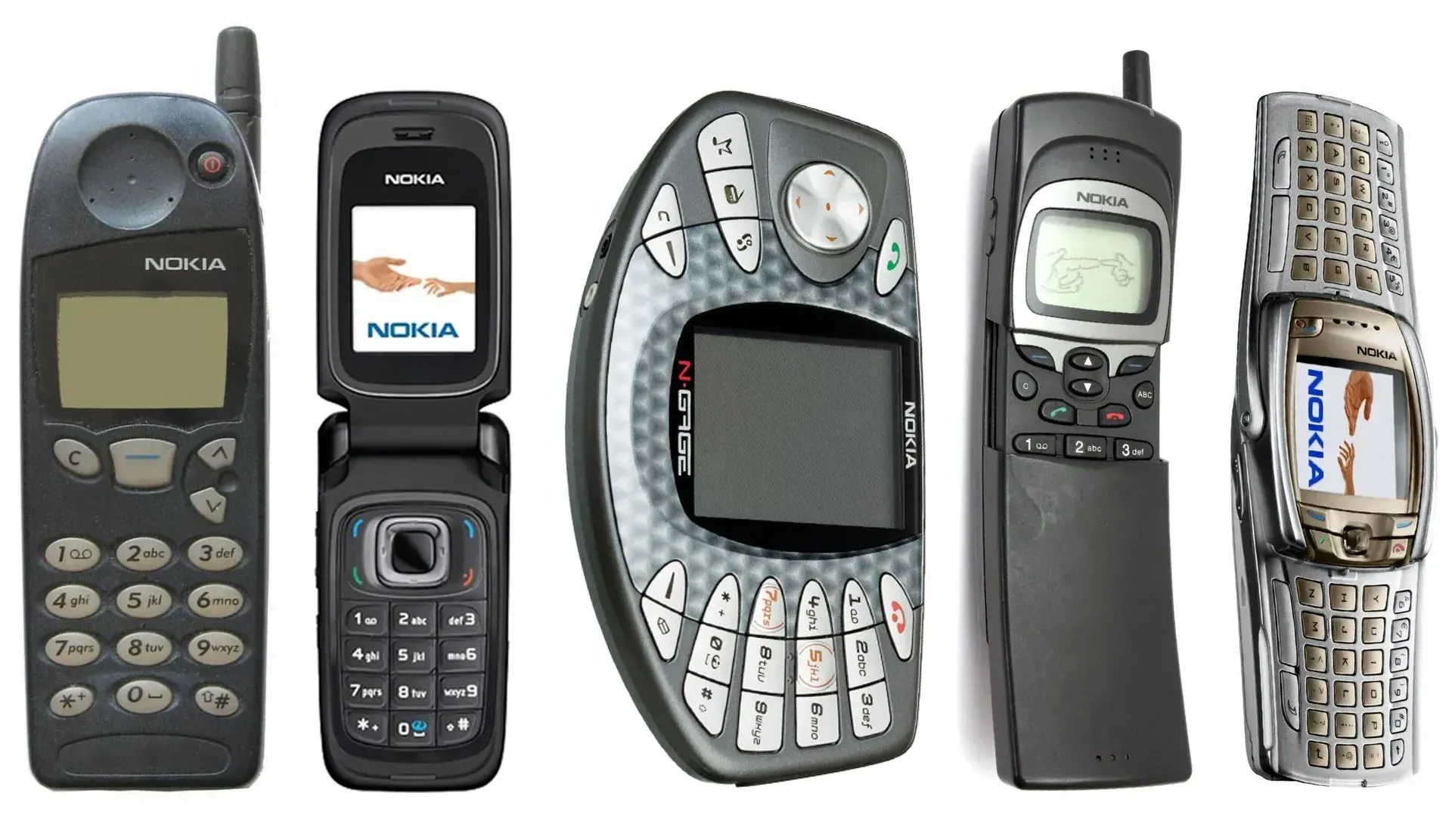
Hardware from the late 1990s through the early 2010s seems to come from a period of multiple philosophies and perspectives. Whole factions carved themselves out using hardware as an identity marker. Specific groups had their products of choice, but what was even more true was that these products were literal signifiers of belonging. The hardware both informed and was shaped by the communities around it. We had Nokia and its entire ecosystem of strange phones with bizarre shapes for the quirked-up techy.

Source: GQ

Sony’s PSP was the most accessible media device for younger teens before they could touch a smartphone, doing more than their parents knew it could. Or take the early iPod Shuffle, a simple music device that also functioned as a wearable accessory. Every brand had a distinct perspective, design language, colour palette, layout, and culture surrounding it that embodied the ethos it represented.

That isn’t true today. We see more of a superficial accessorising happening, which feels like the first phase of a broader cultural response to this issue. When the object is no longer unique as an identity signal, people turn to special phone cases, stickers and other add-ons as a means of expression. This is because the signifier is no longer the hardware itself. The Issey Miyake iPhone Pocket is a recent example. To give the object more identity, it takes another brand bridging over to give owners that same feeling. But it doesn’t make the iPhone itself more desirable.

Issey Miyake iPhone Pocket

In an age where AI swallows up datasets from across the internet and has no real design perspective beyond what it can copy, and where all of our data lives in the cloud so we rarely consider what we store on our devices, the retro and personal shift is a form of rebellion. We have turned to old hardware and attempted to go local-first because ownership is part of identity, and it's something we have lost. Whether it's wearing a specific style of headphones, using a certain type of camera, or building your own computer, hardware has always been an extension of self. And in a homogeneous world, the desire to own your identity becomes even more important, especially if you’re seeking a sense of community or belonging.

You might Apple to be the worst offender of the black-rectangle era, but the slab has been its formula and it’s committed to it. Instead, the problem is everyone else who copy-pasted the aesthetic. Google’s first phones had a distinct look and feel before they fell right in line. As everything collapsed into one silhouette, the range of hardware you can even imagine narrowed with it.

Light Phone gestures at breaking the mould but stays close to the same choices with a few modifications. Meta’s Ray-Bans get close but offload the design risk onto a fashion partner (much like the iPhone Pocket). Snapchat’s Spectacles are technologically interesting, but they have no real identity or community to rally behind them. It’s a product made for everybody, which means it’s for nobody.

The brands that get it are rarer – and more interesting. Teenage Engineering is the most obvious example because it contains the whole equation within one company. But brands like Zellerfeld are doing something stranger, and maybe more important, where the shoe is as much the technology as it is the product. They’re collapsing the line between a wearable and a device, giving a new community something expressive to gather around.

Heron Preston x Zellerfeld HERON01

Noware and the USB they’re developing aim at that same instinct, building for a niche first instead of a mass market: cool kids who like Y2K-infused tech as fashion. Interspectacula makes 3D-printed stoner tools that are fun but functional, leveraging the printed look as an aesthetic choice. Chipped has brought tech to the fingertips, creating NFC-enabled designer nails connected to the internet. 

Noware USB; Chipped Microchip Manicure

Then there’s something like the Flipper Zero, a product that’s huge only among hackers and its own community, but has a distinct design language in a unique package that makes it curiously desirable. What these have in common isn’t a look. It’s that each one is made for someone in particular, and belonging follows from that.

The number of teams capturing this moment is far smaller than the number missing it. And bigger companies have yet to understand what they’re missing out on. This is why the pull toward old hardware is so strong: there just aren't enough alternatives. Someone would rather revive a Nokia N95 because of how different it is, inside and out, from anything sold today. But I think we’re on the verge of a hardware renaissance. The barriers that once stood between a community and the object it desired are falling. One genuinely good use of AI is cobbling together your own projects into new forms of technology. If the thing you want doesn't exist, you build it. And because of that, I suspect we’ll see many more companies emerge.

That’s how, in Reggie James’s words, “we break free”. He says, “This is how you compete with Apple: you make objects with alternative value sets.” There is room for interesting hardware that makes us actually feel something. Hardware that gives us an experience, but also contributes to our personality. An attachment that signals how we care and what we’re into, in much the same way as wearing certain clothing or shoes.

Are.na Frame

There are so many possibilities in salvaging old tech into new products, as we’ve already seen with the cyberdeck trend. Fashion will follow more brands like Anrealage and have the opportunity to create garments that are also hardware, or that use technology as part of their creative expression. Jewellery is equally ripe for this, whether through reinvigorating old forms or inventing entirely new ones that go beyond devices like the Oura Ring and its focus on health tracking.

Publications should start playing in this space as well, creating new media objects for our homes. Look at Are.na’s Frame: a piece of hardware designed to connect to your saved channels on the platform.

The opportunity for new hardware that serves specific communities is here, and more communities should leverage or build hardware to usher in a renaissance of technology that feels expressive, personal and alive.

SEED #8421
DATE 26.06.26
PLANTED BY AMIR GAMBLE