

Inside SEED Club #6

What our global community of 450+ cultural experts are currently obsessing over.

If you fancy joining SEED CLUB, you can apply here
Su Luo | Taipei, Taiwan
What feels distinct about your city right now? I think the most distinctive thing about Taipei is its blend of traditional and modern elements. As an international city, Taipei is inevitably influenced by global trends, from running culture to rave culture. At the same time, it remains deeply grounded in its own traditions and the original personality of the city, somehow combining both in a way that feels natural. As a result, we are seeing running gear stores designed with a zen-like, authentic aesthetic, or rave events taking place at temples. These contrasts might seem unexpected, but they feel uniquely Taipei.
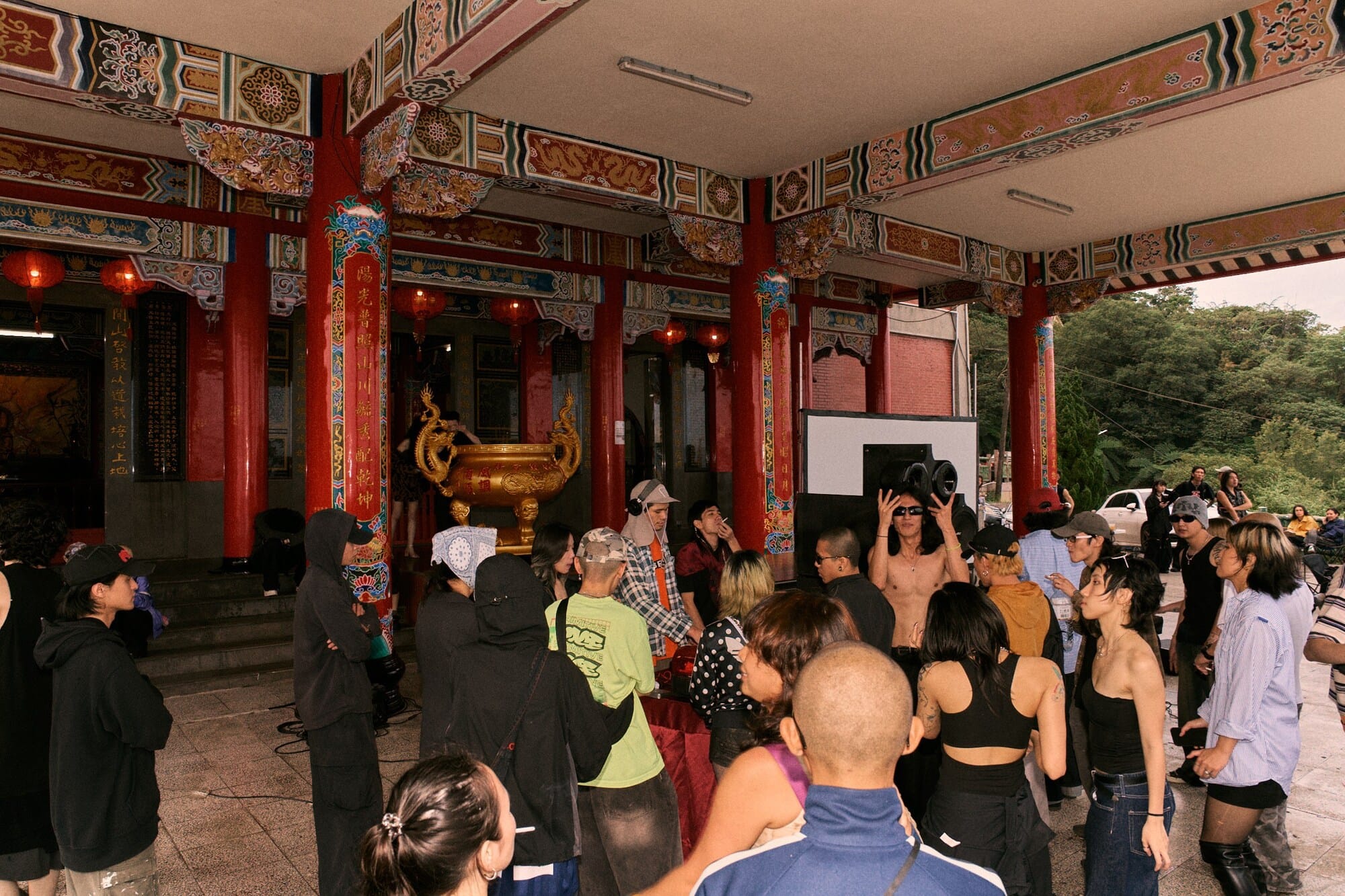
Are there any emerging trends that feel especially local? The idea of “Taiwan sensibility” captures one of the most significant cultural shifts happening in Taiwan today. Youth culture is moving away from simply following global trends and instead placing greater value on the characteristics, aesthetics, and ways of life that have been shaped over the past century.
Rather than treating the past as something to nostalgically recreate, people are embracing the old and imperfect, finding beauty in authenticity and everyday life. After decades of rapid development and constant acceleration, there is a growing appreciation for essence, simplicity, and a more laid-back pace.
What brands, spaces or communities best capture the spirit of your city today? Dadaocheng (大稻埕) is one place that feels especially alive. Historically, it was one of Taipei’s key trading districts. Today, it still retains that character, with many shops selling dried goods, traditional ingredients, and handcrafted kitchenware.
At the same time, a new generation of fashion labels, outdoor brands, cafés and creative businesses has moved into the area. These newer additions blend seamlessly with the district’s traditional atmosphere, creating a space that feels both rooted in history and distinctly contemporary.
How does your city influence the way you think about culture, creativity or brand-building? As someone originally from China, Taipei feels very different from broader Chinese narratives. What I appreciate most is its slower pace and its connection to tradition, while remaining open and inclusive.
The recent rise of “Taiwan sensibility” reflects this paradox perfectly: it is both emergent and deeply rooted in something old. That resonates with how I think about culture, creativity, and brand-building. Meaningful work takes time. It requires patience, a strong foundation and a deep understanding of what sits at the core.
Anyone that stands out to you at the moment? Leo Wang, the Taiwanese hip-hop singer-songwriter, is much more than a musician to me. They are a remarkable artist whose work is deeply grounded in local culture while remaining imaginative, playful, and slightly eccentric. I admire the sense of freedom in their work, as well as the way they weave everyday objects and experiences together with humour, irony and sharp cultural observation.
Su Luo is a cultural strategist, semiotic analyst and street photographer
Eylül Bombaci | Istanbul, Turkey
What feels distinct about your city at this moment? Istanbul has always been a place where people cross paths. It is a city of encounters. But in the past few years, what has been especially inspiring is the growing number of authentic restaurants that embrace the mosaic of people living here.
An increasing number of hybrid spaces – coffee shops, galleries, bookshops and bars that reflect the broader “third space” trend – have a disorienting yet fascinating effect. You might arrive for a coffee and not realise how much time has passed as you watch the space transform throughout the day. In the past, this concept was simply a neighbourhood café where locals would sit and chat for hours. Now, people seek experiences: hidden places where they might stumble upon a zine launch one day and a DJ night the next.
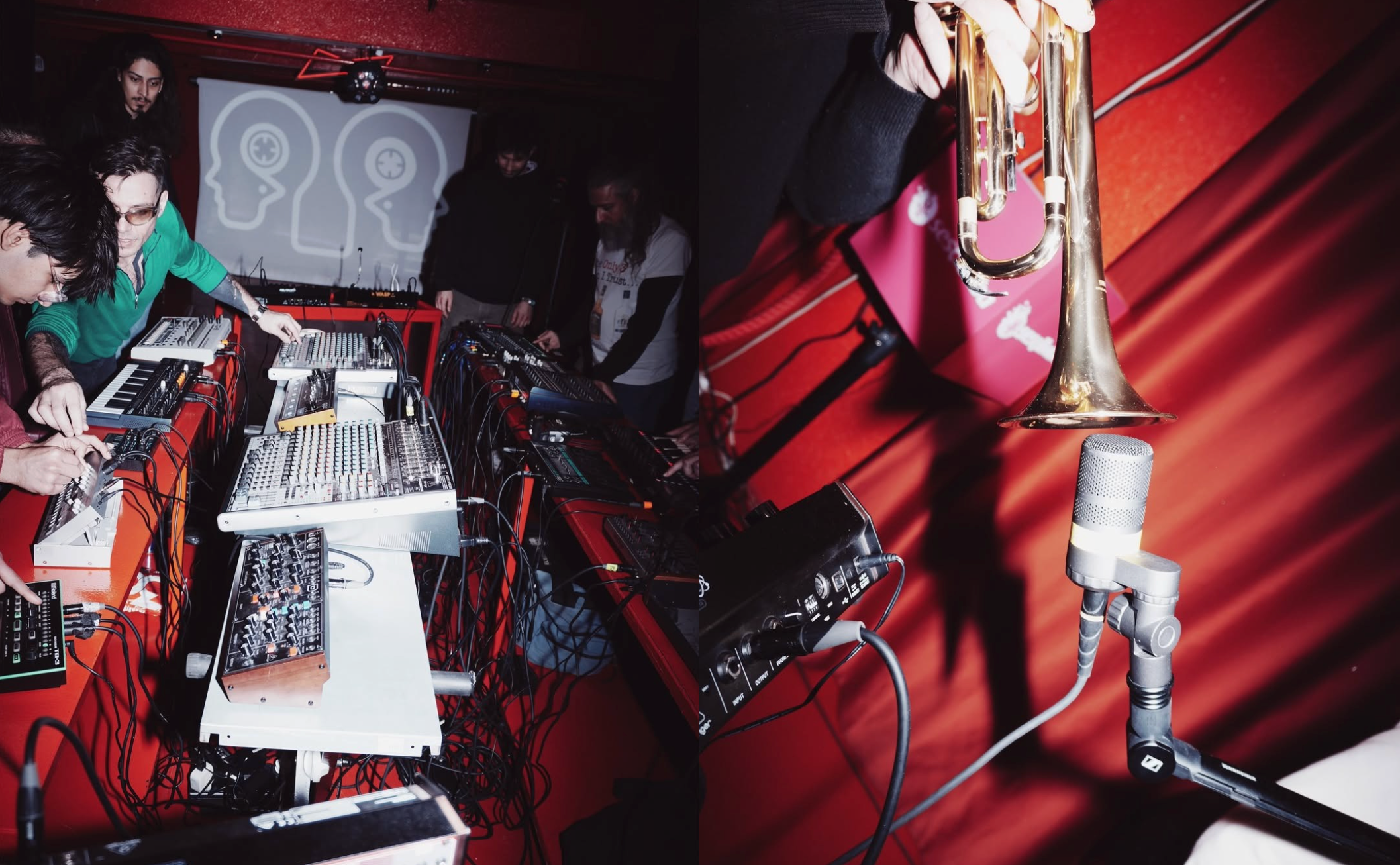
Are there any emerging trends, movements or shifts that feel especially local? I see a growing interest in electronic music, particularly in synthesisers. A venue called NOH Extended, the larger-format counterpart to the well-known NOH Radio, hosts synthesiser jams every Thursday, allowing attendees to experiment with different synths and play alongside fellow enthusiasts. It is not unusual to hear someone jamming on Barış Manço’s “Domates Biber Patlıcan” over a drone synth.
As people increasingly gravitate towards experiences – and as economic pressures continue – there is also renewed interest in handmade crafts. These activities allow people to acquire high-quality items at more accessible prices while spending time with friends. Some say crafting helps people slow down; others simply appreciate the affordability. This growing movement has also encouraged local makers to launch their own brands.
What began as a scattered hobby scene has gradually evolved into something larger. Today, local designers, independent makers and small handmade brands come together at a market called Ana Baba Günü to showcase their work. Some visitors find the products overpriced, but that does little to discourage attendance.
What brands, spaces or communities best capture the spirit of your city today? Manifest is an iconic girl group that has become a unifying force in contemporary culture. In Turkish, there is an emerging phrase, kız neşesi, which can be loosely translated as “girlhood joy”. It describes a playful, expressive and shared feminine energy often experienced through friendship, intimacy and moments of lightness.
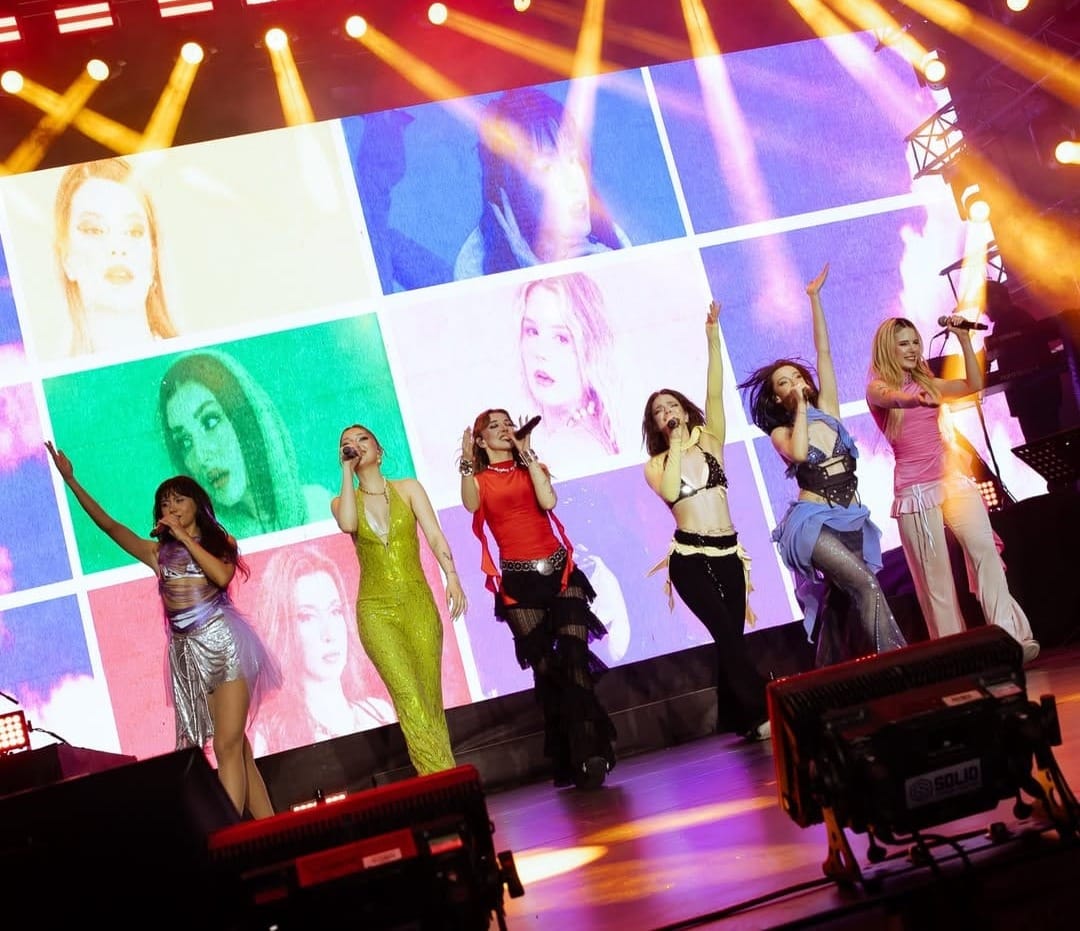
Manifest resonates strongly with this feeling. The group has become a contemporary reference point for that energy – not only for women, but for anyone drawn to its confident, expressive, and unapologetically joyful tone.
Girl and boy band competitions, including YouTube-based reality shows such as Big 5 Türkiye (where Manifest was formed) and Metronom Akademi, have also become part of the cultural landscape.
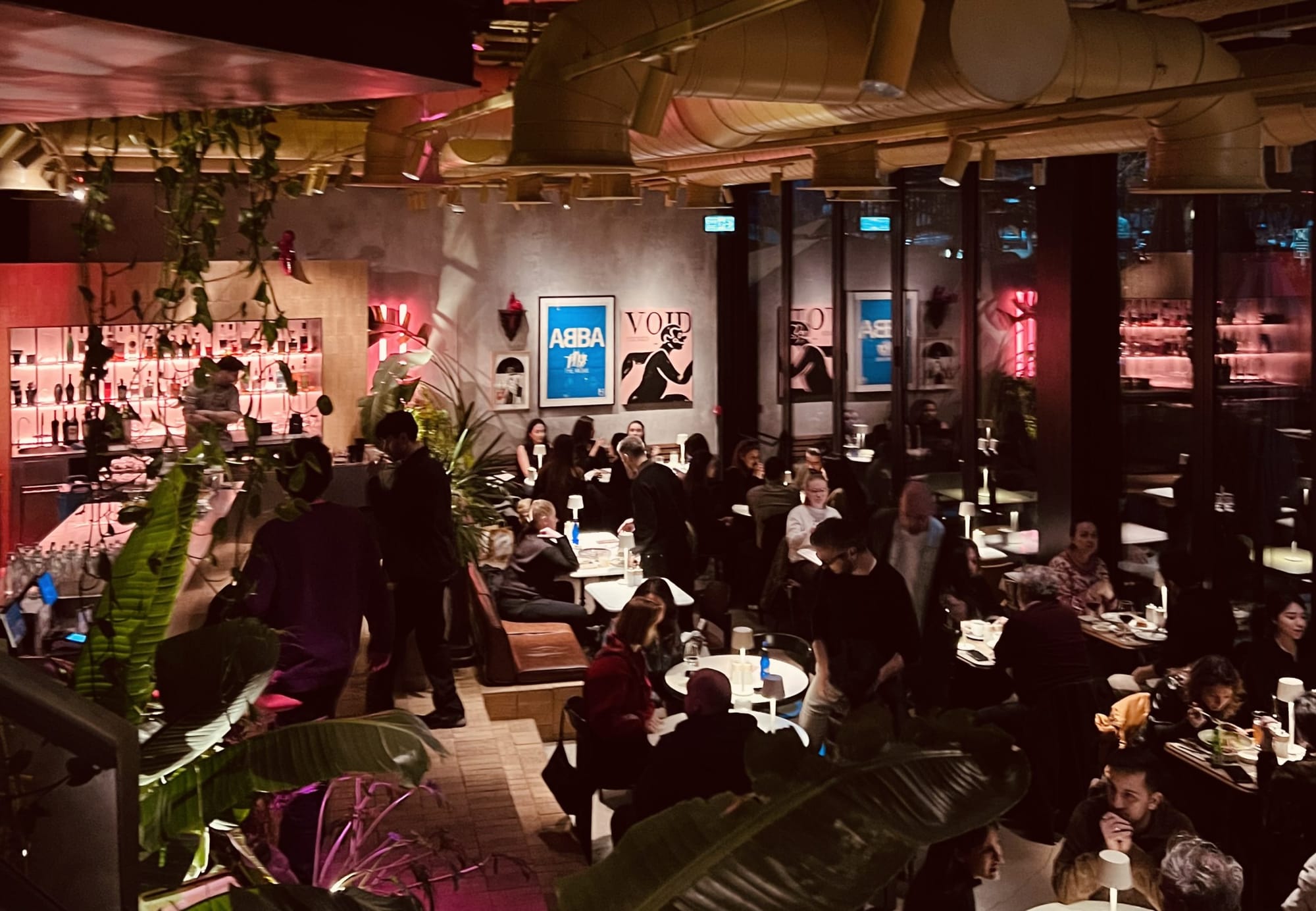
KOMÜNİTE is a new social space in Kadıköy, with a restaurant downstairs and a cocktail bar and event space upstairs. It aims to serve as a home for communities – a place where you can work on your laptop in the morning, have breakfast, attend a talk or a gig in the evening, and end the day with a DJ set and a cocktail on the balcony.
Chills & Quills is part of a wider literary ecosystem that brings together writers and readers through intimate gatherings, storytelling, and community-led reading events.
Beyond that, SALT Galata’s library, the jazz clubs of Beyoğlu, running and rowing clubs in Caddebostan, and Öykülendirme Ajansı, a multidisciplinary art collective, are all experimenting with new forms of connection and communication.
How does your city influence the way you think about culture, creativity or brand-building? Istanbul has never been easy. With a population of nearly 18 million and an often-overburdened transportation system, it is not a particularly comfortable city to navigate. Nor does it offer a ready-made subculture that you can simply adopt as a costume. You have to figure out who you are by collecting fragments from its constantly shifting mosaic – a city that evolves as it responds to pressure, earthquakes, venue closures, and new beginnings.
In a sense, you are “frictionmaxxing” all day, every day, from the moment you step outside your home. Yet that friction is also what builds culture and character. In terms of brand-building, it suggests that not everything needs to be figured out from the start. You have to embrace uncertainty and trust the process. Listening to the people you encounter along the way will ultimately teach you more than any strategy. Unleash yourself – you will never walk alone.
Name one or two people that stand out to you at the moment. Tunc Çakır and Efe Çakır are the brothers behind Vaemi, an electronic instrument brand that builds studio-quality synthesisers, pedals, and other equipment. They also run synthesiser-building workshops for analogue synth enthusiasts. Within Istanbul’s growing electronic music scene, Vaemi has become an important space for learning, experimentation, and community-building.
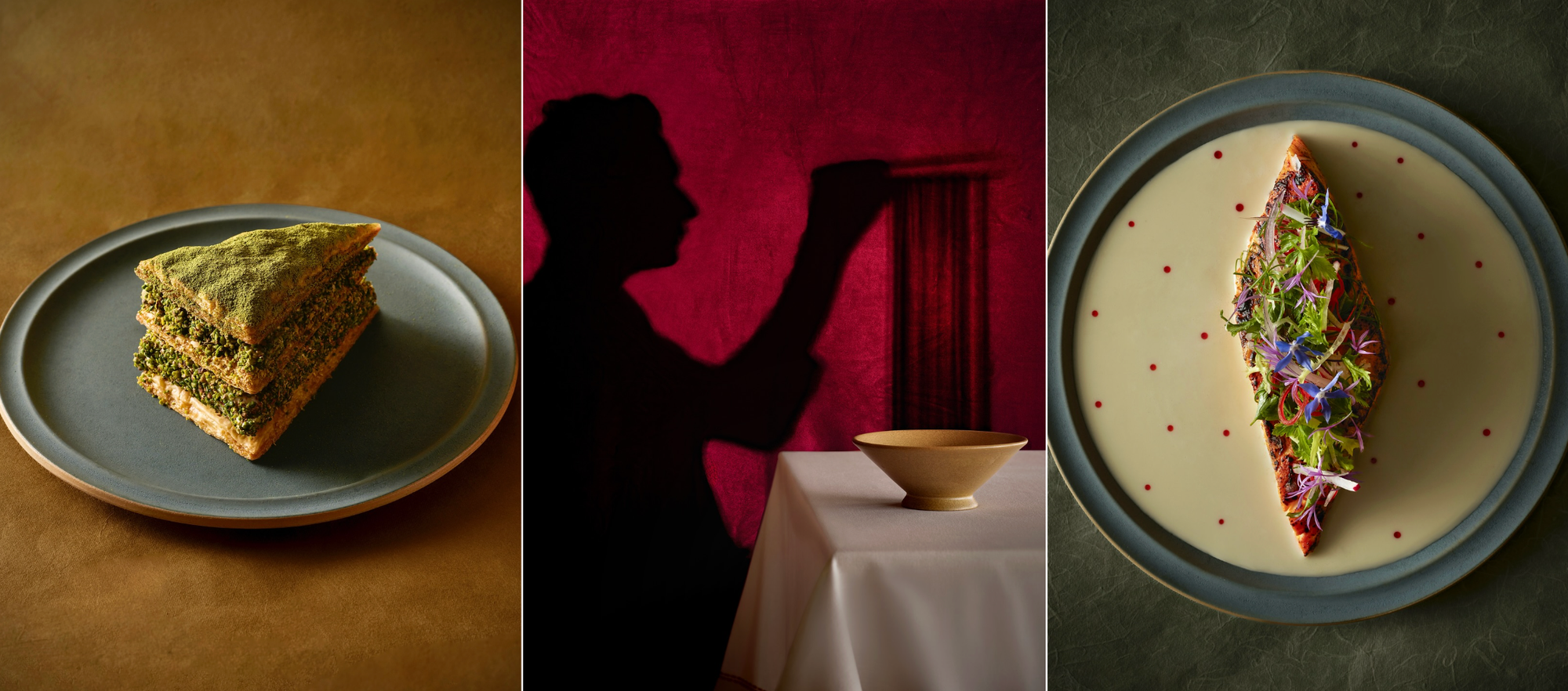
Chef Fatih Tutak represents one of the most compelling directions in contemporary Istanbul cuisine: a fusion of deep regional memory and fine-dining innovation. His restaurant, TURK Fatih Tutak, is a leading example of the new Anatolian wave in culinary arts, where traditional techniques are being rediscovered and reinterpreted. He occupies a unique position between street-food nostalgia and luxury dining, at the intersection of local memory and narrative-driven gastronomy.
Eylül Bombacı is a digital anthropologist, writer and musician.
Ana Raucea | London, UK
What feels distinct about your city right now? I recently ended up at a Lost Property event – fittingly held at the nightlife venue Lost – where the founder, a shoutout to Letty Cole, another SEED Club member, said something that stuck with me: there is a growing sense of London patriotism right now, a cultural pride in being a Londoner, and it deserves to be said louder.
I’ve lived here for seven years, and hearing those words, I realised I agree. Over the past two years, that feeling has become very real. When people ask where else in the world I’d want to live, my answer is simple: nowhere. We should hear more of that. Alongside the city’s very real challenges, there are so many good things happening too.
I think one of London’s greatest qualities is that you can take a day off and simply enjoy it. If you’re visiting or have no idea where to go, check metropol.world, pick somewhere and just go. Something real will happen.
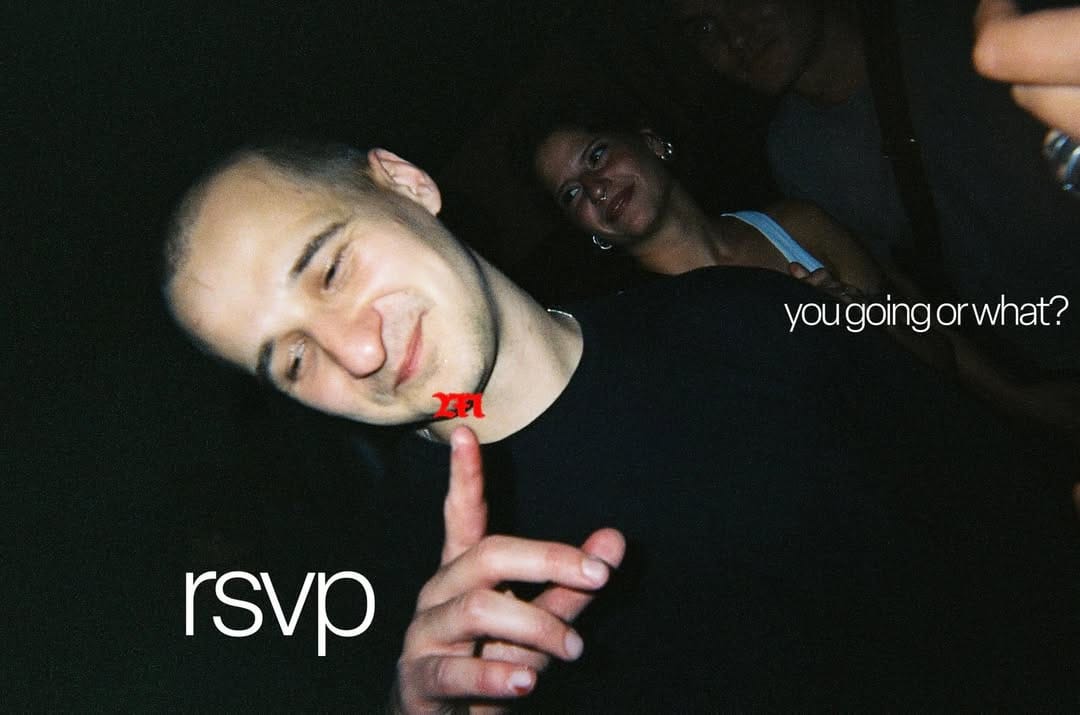
Creatively, people are focused on bringing events back in forms that actually make sense for 2026. We’re seeing a resurgence of art collectives and late-night creative collaborations that reject the rigid structures of the past few years. What’s interesting is that this movement is being reinforced by major institutions too – Tate Late, V&A Friday Late, and the Barbican’s Club Stamina programme all point in the same direction. The large cultural institutions and the small underground ones are pulling together, which doesn’t happen often. To me, that’s a clear sign of momentum.
Are there any emerging trends, movements, or shifts that feel especially local? Awareness feels like an ongoing movement, and I hope it stays that way. What I keep returning to is how no-phone parties have evolved from being a provocative gimmick when Lost first launched into something that is quietly reshaping how we experience social events.
On an unconscious level, they’ve trained me not to feel the need to post a night out, even when it’s allowed. As a recent Vogue article observed, going viral isn’t cool anymore. Quite frankly, nobody in my circle aspires to it. It feels connected to what some people call the intention economy.
And with that, how could I not mention a third space? STÜCK, founded by Klub Verboten and playbody, brings together a community centred on ambient music, thoughtful curation and slower social rituals. During the day, it functions as a co-working space. In the evening, it becomes a soft club, while also hosting workshops throughout the month. It extends playbody’s body-centred design practice into a setting built around conversation and collective presence. The no-phone element is fundamental to its ethos.
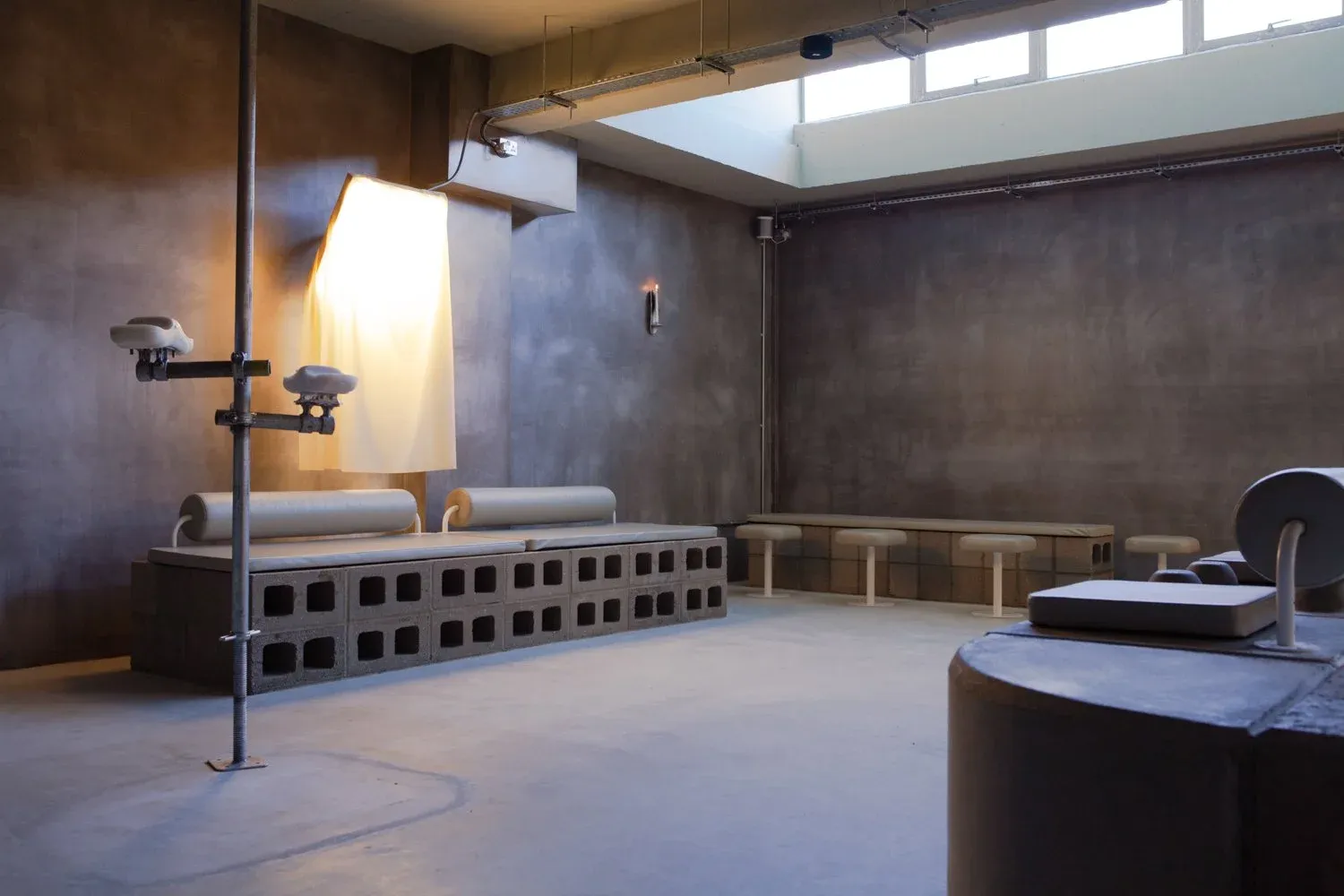
More broadly, London has increasingly embraced Berlin-style no-photography and no-phone policies. Spaces such as FOLD, fabric, Lost, playbody, Palais, Farrago and Mascara Parties all operate within that culture. As playbody recently told Cold Magazine, “A city should be allowed to have its secrets,” and it feels like London is finally remembering that.
The V&A East Storehouse has already written about playbody, describing its work as “architecture not as spectacle, but as infrastructure for survival”. In the broader landscape of East London, playbody stands out as one of the most intellectually rigorous collectives working today.
What brands, spaces, or communities best capture the spirit of your city today? The spaces that best capture London’s spirit right now are the ones where you can simply exist, spend time with others and operate with a degree of intentional obscurity.
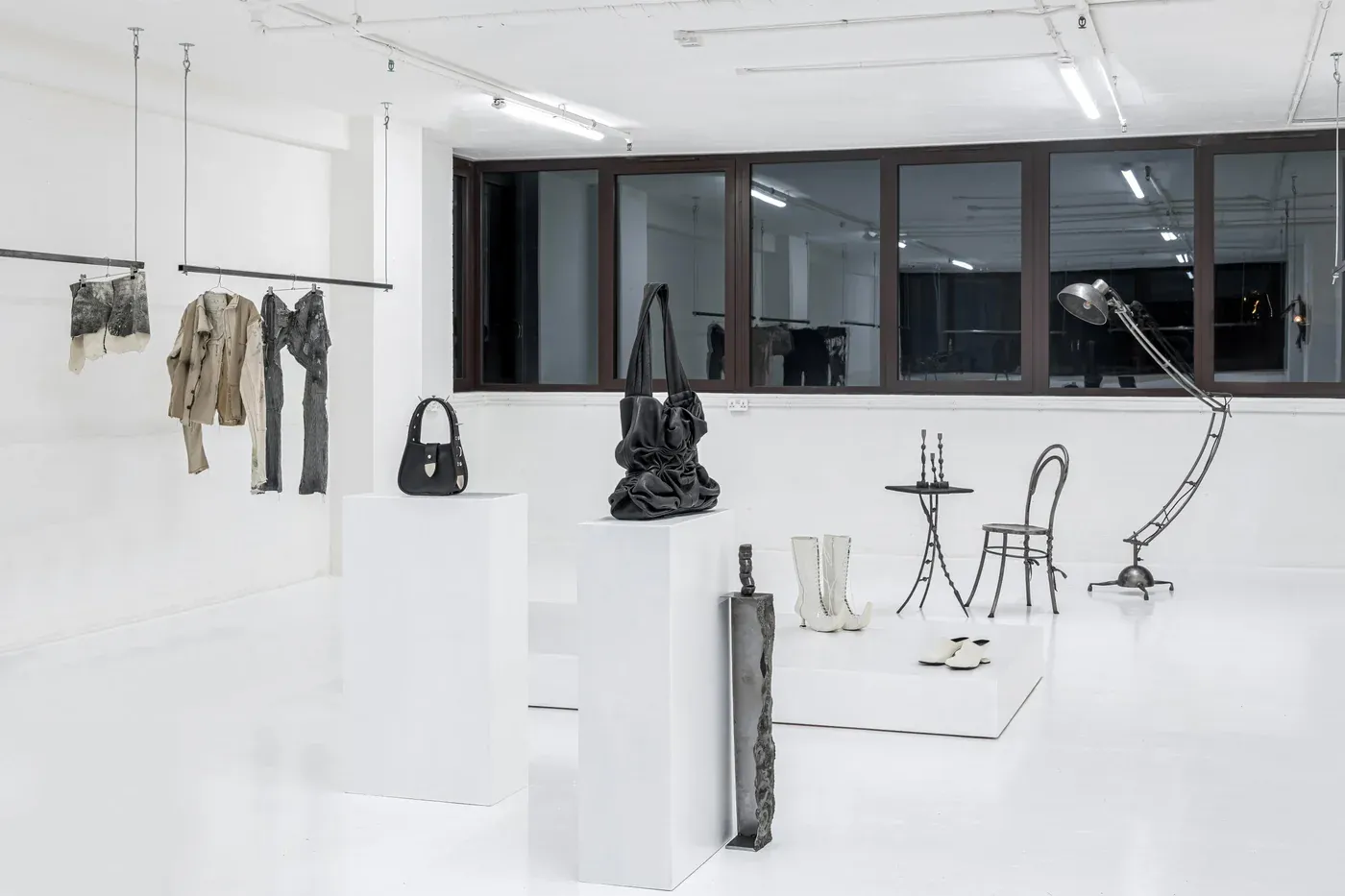
APOC is a multi-brand platform that successfully evolved from online retail into a physical presence. Its London space, tucked away inside Regent Studios near Broadway Market, is brilliantly executed. It's intentionally difficult to find – in the best possible way. You have to enter the studio courtyard, locate the correct lift, and make your way upstairs. The curation is constantly changing, showcasing independent and emerging designers. As co-founder Jules Volleberg recently told 10 Magazine, the goal is “to grow together without forcing anyone into a pace that doesn’t fit their practice”.
Tramp’s is another example. Part bar, part venue, part gallery, it was carefully restored by painter Peter Doig and gallerist Parinaz Mogadassi. It operates as a quiet micro-institution, run with maximum intentional obscurity. That’s exactly why it attracts people who genuinely shape culture, rather than those who simply want to be seen.
How does your city influence the way you think about culture, creativity or brand-building? As a Gen Z 2000-born creative, I grew up experiencing the massive shift into virtual spaces and digital identity construction. Because of that, the return to physical experience influences my creative practice far more than anything online.
It's time to acknowledge that building the future has to be about more than trends like “touching grass” or “offline-maxxing”. Lately, I’ve been describing my own creative resistance as fighting tuberisation.
The term combines the Tube – the London Underground – with the idea of uberising something into a hyper-efficient, transactional service. To me, it perfectly describes how many Londoners now approach relationships, hobbies and everyday life.
We’re seeing a cultural shift where people actively tuberise their social circles. If a friendship, date, or hobby requires more than one line change or a journey longer than 30 minutes, it’s often cut from the schedule. Social energy is managed with the same cold logic used to optimise transport networks.
To tuberise your life is to remove spontaneity in favour of hyper-scheduled efficiency. Because London is sprawling and expensive, people rarely "just meet for a drink" anymore. Everything becomes optimised. We book pub visits three weeks in advance, send calendar invites, and calculate transit routes down to the carriage door that aligns with our station exit.
My inspiration comes from doing the opposite – reclaiming friction, wasted time, and the beautiful messiness of urban life. Fighting tuberisation means choosing human warmth over hyper-efficiency and remembering that London is meant to be a collection of vibrant, chaotic villages, not simply a map of connected platforms.
Anyone that stands out to you at the moment? Benni Allan is a London-based architect whose work first caught my attention through Pulse, an installation at Houghton Festival conceived as a way of connecting people to nature through light, sound and haptics.
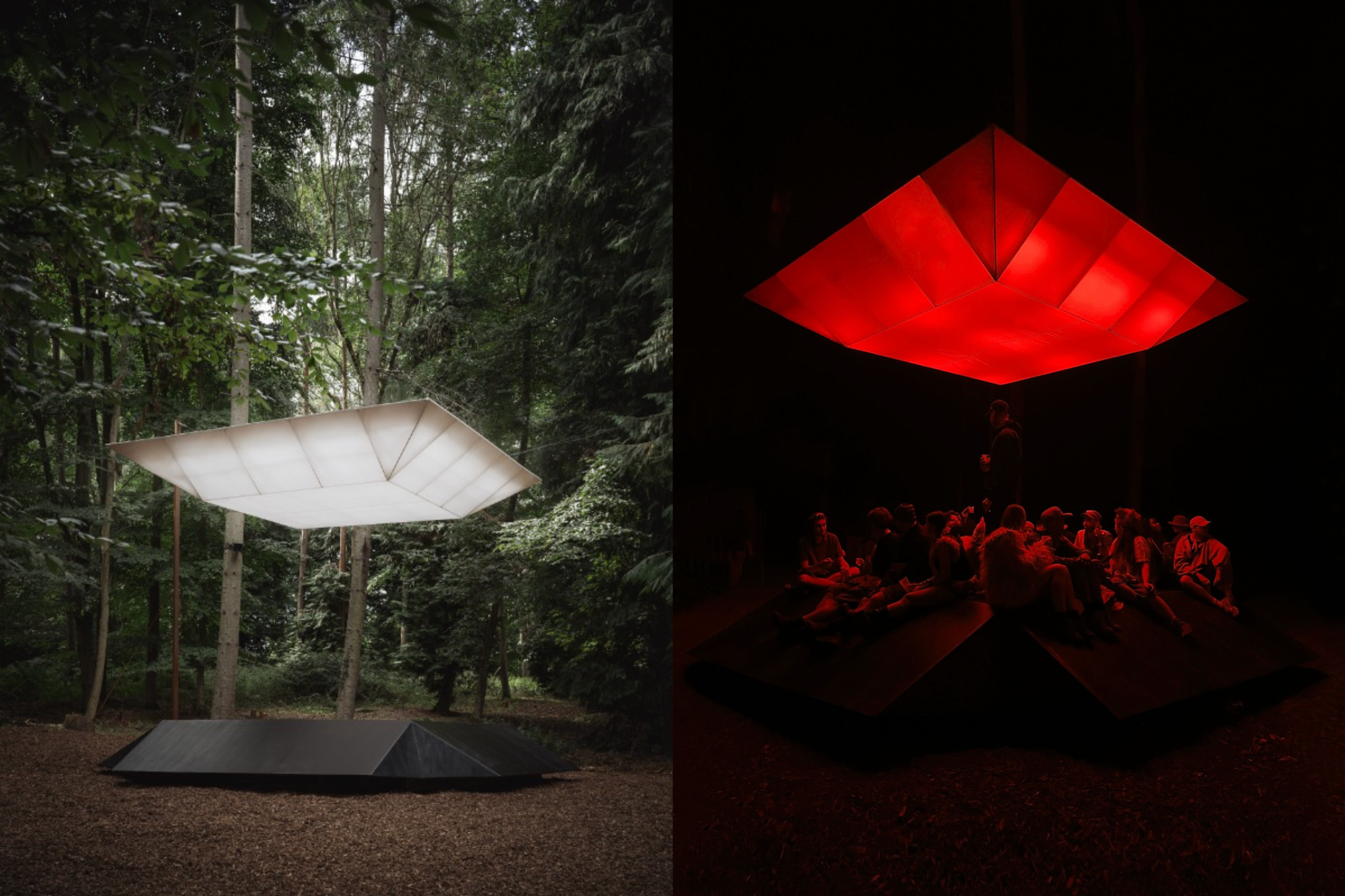
Earlier this year, he opened All Projects, a new East London gallery dedicated to collaboration and experimental practice across art, fashion, architecture and design.
I had the opportunity, together with fellow Central Saint Martins colleagues, to organise an exhibition there. The sense of community fostered by All Projects is something I genuinely haven't experienced in a long time. The focus is on process, experimentation and uncertainty, rather than simply celebrating the finished artefact.
The space regularly hosts talks where practitioners openly discuss the ideas, challenges, and influences shaping their work. In a culture that constantly rewards polished outcomes, it’s refreshing to engage with the messy, unfinished realities behind creative practice. I highly recommend visiting and taking part.
Ana Raucea is a spatial and experiential designer focused on speculative brand environments and futures, currently completing an MA at Central Saint Martins.
| SEED | #8415 |
|---|---|
| DATE | 02.06.26 |
| PLANTED BY | PROTEIN |
| CONTRIBUTORS | ANNA RAUCEA, EYLUL BOMBACI, SU LUO |
