Sport is evolving from personal performance into our newest social infrastructure.
Sport has quietly become one of society’s biggest operating systems. Not just for entertainment, but for identity, belonging and even wellbeing. It influences what we eat, watch, want to look like and aspire to on a global scale. It’s safe to say sport has become one of the world’s main cultural stages. According to Highsnobiety, “Sports are bigger than ever.”
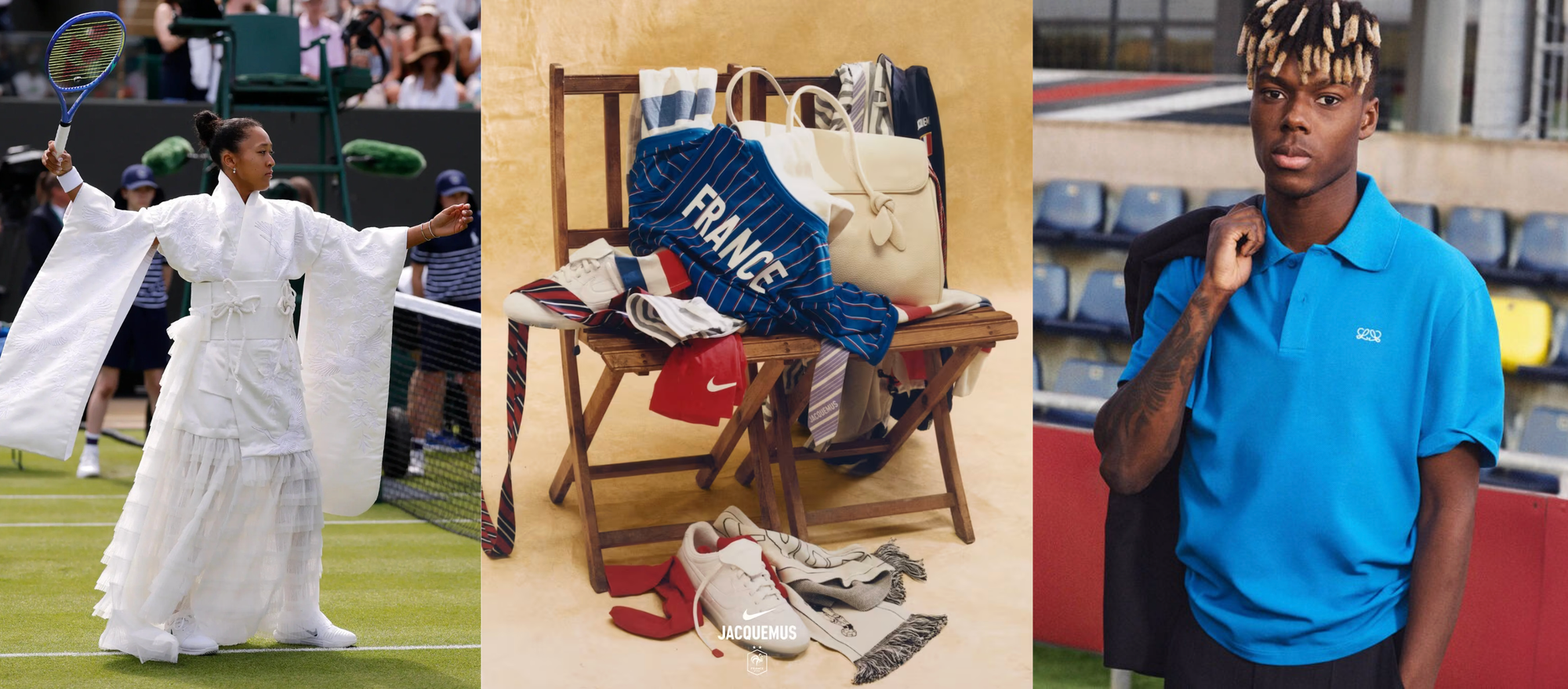
No wonder Taylor Swift power-coupled up with American sports royalty, while fashion and sport continue to strengthen each other through collaborations, tunnel walks and walk-ons (hello, Naomi Osaka). Fashion houses now dress World Cup teams, from Loewe for Spain to Jacquemus for France. Sport isn’t just borrowing from culture anymore – it’s one of the places where culture gets made.
Naomi Osaka at Wimbledon; Jacquemus World Cup collection; Loewe travel wardrobe for Spain team
The question isn’t whether sport is influencing culture – it clearly is – but asking: if sport is one of culture’s R&D labs, what shifts in societal needs might we be beta-testing?
The current wave of sports culture has made the optimisation of practically anything mainstream, whether it’s your protein intake, performance or sleep scores. It’s all about discipline, self-improvement and strength (as a performance), with every metric ready to be tracked and every biological process seemingly ripe for optimisation. But performance culture may have reached saturation. Once everything can be measured, the missing variable becomes harder to quantify: connection.
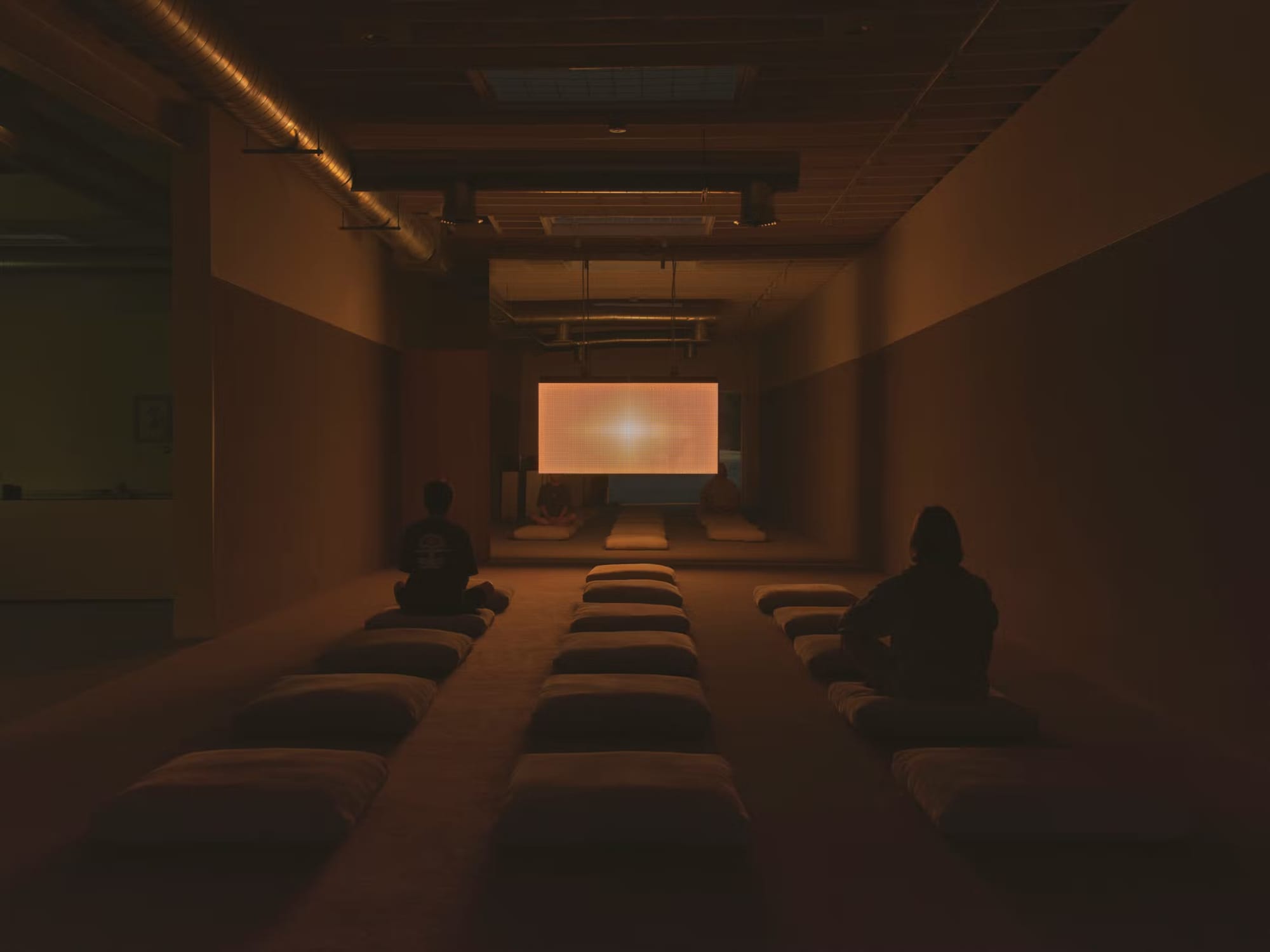
The signals are everywhere. Gyms are turning into hangouts, becoming some of the few remaining places where strangers repeatedly encounter one another. Running clubs become dating pools. Athletes use style to express more fluid and interesting ideas about gender. Brands would rather build (or enter) communities than launch classic ad campaigns. Sport and wellbeing are in the midst of a merger. Innovators like District Vision see sport as a tool for self-exploration, helping people not just perform, but feel better too (drop by to meditate at their LA flagship).
District Vision meditation at LA flagship
On a macro scale, we’re seeing the same shift. In the US, sport has already surpassed religion, music and social media communities as the primary way people experience unity, according to Sports Business Journal. Elsewhere, the direction is similar: from Dutch football describing itself as the country’s largest social network to British research framing football clubs as part of cities’ social infrastructure.
In an age of loneliness and fragmentation, sport might be offering exactly what people are looking for: shared rituals, collective experiences and daily opportunities to get out of our heads and into our bodies. If traditional institutions once created belonging, sport is increasingly stepping into that role, creating new forms of connection, community and mental wellbeing. So if we put on our sport goggles (try these recommended by marathon runner Harry Styles), what’s next?
What if sport culture goes post-tribal?
Sport as an identity vehicle used to be pretty singular: you identified as a runner, football person or yogi and dressed, moved and chanted accordingly ...
Protein AGENCY provides insight, foresight and strategy for global brands that's rooted in culture and the collective knowledge of SEED CLUB - our decentralised research community of 500+ global experts.