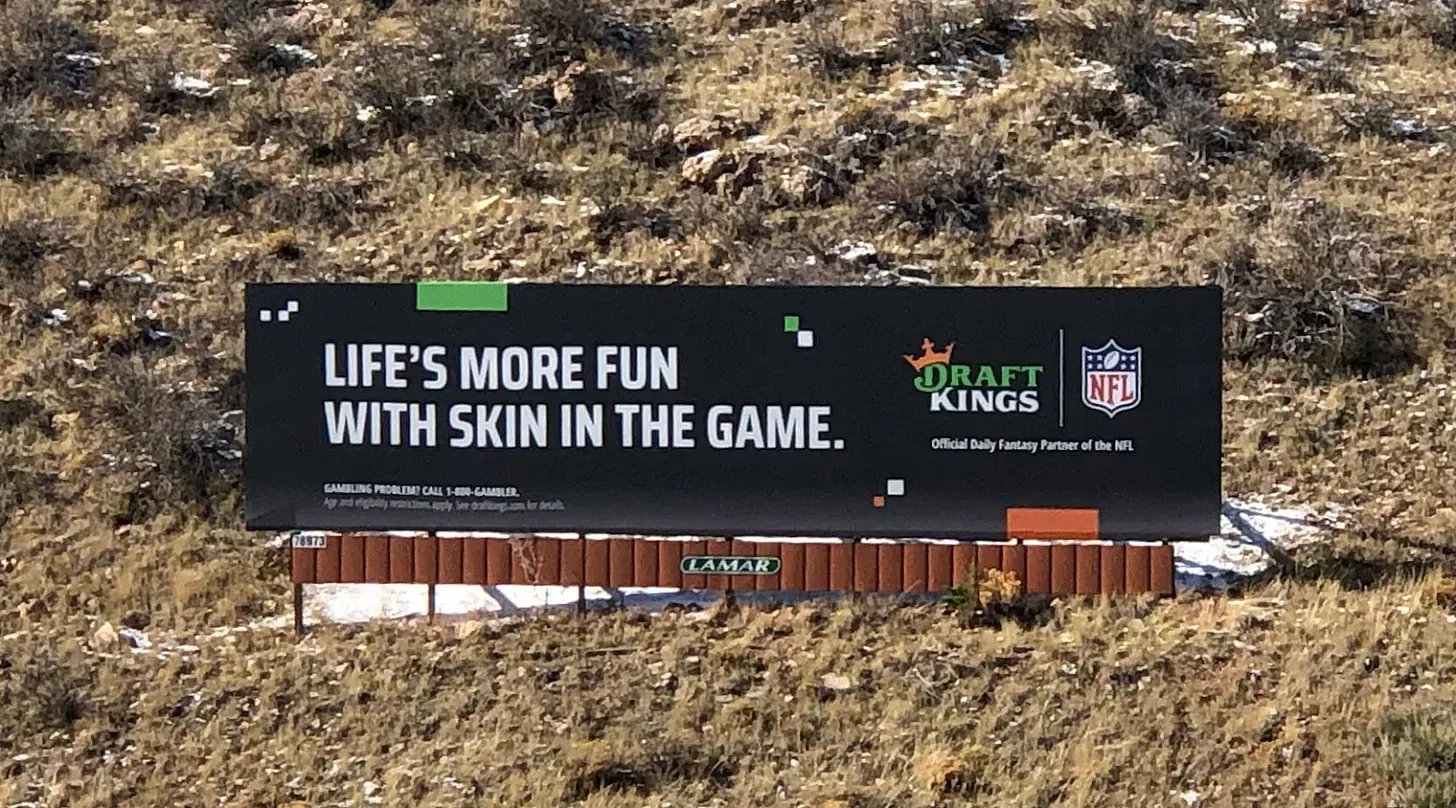
There are many ways to describe the state of the world we’re living in: The Information Age, The Brainrot Era, The Slop Society. But the one that feels most resonant is The Casino Economy.

We’re no longer just betting on stocks, or on Arsenal to win the league, or even on whether Trump will start a war – we’re gambling with who we are. It sounds a bit dramatic. But influencers – or, more broadly, influential people – are adjusting their opinions and personalities to ensure they’re reaching the biggest audience. Performing conviction, but having none of it.

Source: Teddy T.M. Brown's Substack

Teddy T.M. Brown calls this “vibes gambling”. In a recent Substack essay, he explains:

“The casino economy is turning cynical people into cultural day traders, constantly repositioning based on which way the sentiment is moving, [they] have learned that in an economy where traditional pathways to stability have collapsed, the only rational response is to treat everything as a bet that they can get on the end of.”

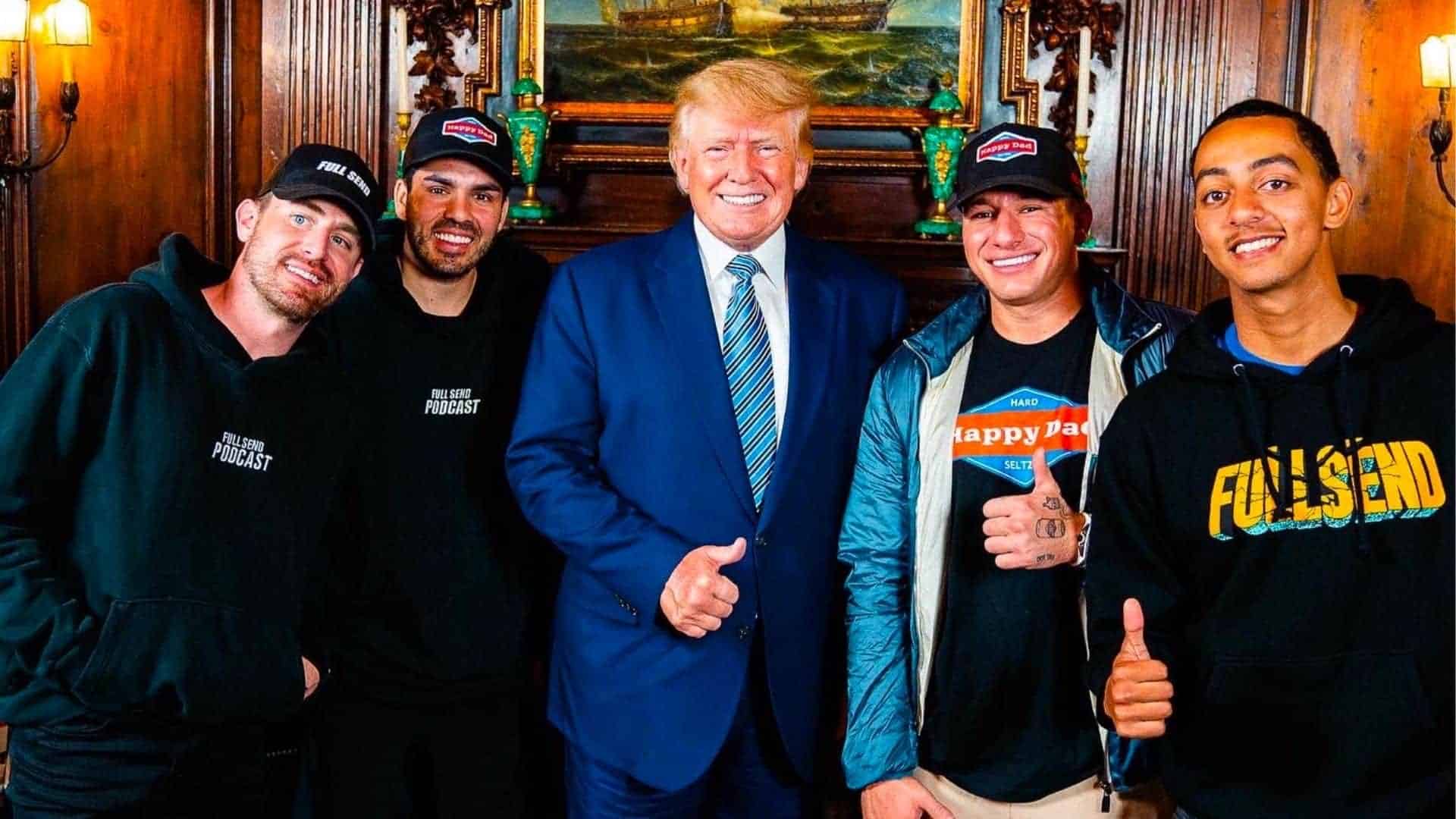
Brown points to the Nelk Boys, YouTube comedians known for pulling pranks, interviewing Benjamin Netanyahu, or Tucker Carlson openly criticising the Trump administration after vocally working to get the orange guy elected. “[Carlson] is not going through some sort of political awakening,” Brown writes, “but rather looking out across the country and seeing which ways his audience is leaning.”

Nelk Boys

It’s a level of performance above what we’re used to seeing on social media. And it’s the same tactic used by many of the influencers Louis Theroux interviews in his Welcome To The Manosphere documentary. One of them, Harrison Sullivan, aka HStikkytokky, tells Theroux: “I’m doing it for money... if I’d just done good things, I would never have really blown up on social media in the first place.”

It feels like a response to the unreality we live in, where facts and accountability seem to matter less and less. Switching allegiances, changing your mind, engaging in new areas of interest, aren’t inherently bad things, but there needs to be a level of conviction for it to mean anything.

“In this simulation marketplace of ideas that we’re in now, no one’s actually authentically saying anything that they really believe in, or there are a lot of hucksters out there,” journalist Julia Malleck says on the Is This a Pigeon podcast (full disclosure: I’m her co-host). “I don’t think people are changing their minds, they’re changing their strategy, and that’s the difference.”

It also taps into the idea explored last summer in the Culture As Casino SEED: that when reality itself starts to feel unstable, people begin treating identity, belief and attention like speculative assets to trade. Vibes become wagers. Personality becomes positioning.

Brands, arguably, have been vibes gambling for years. Some got immediate backlash. Remember when Pepsi saw young people protesting police brutality in 2017, and tried to project millennial vibes by sending Kendall Jenner to broker peace with a can of soda? Others snuck past undetected. How many of the very loud, post-black-square diversity pledges have actually been delivered? As Matt Klein and I wrote for Zine recently, many were ditched as soon as Trump decapitated DEI.

Reactive marketing can work, of course, but authenticity is critical – it can’t be opportunistic or hollow. As Klein and I concluded: “Our words carry weight. They don’t just evaporate in the next news cycle. Accountability gives what we say a gravity, ensuring that our language doesn’t float away, losing its meaning.”

When Barbie launched a dumb phone, in response to the world’s growing desire to log-off, the hot-pink aesthetics and young-audience relevance made it feel natural. Duolingo jumped on growing Cybertruck hate by killing off its mascot, announcing the owl had been fatally struck by one – the brand’s inherent chaos, and commitment to the bit, made it work.

@duolingo

UPDATE: Reward for whoever can identify the driver. Please post any leads on TikTok. Thank you for your patience with us during these trying times. #RIPduo

♬ original sound - Duolingo

And when the National Gallery of Art in DC, started sharing Reels of their curator describing pieces from the collection using Gen Z slang, it was funny rather than cringe, because the analysis had depth (not to mention the gallery was simultaneously inviting young creators to apply for 50 x $3,000 grants to make social content based on its collection).

Conversely, when Pinterest, a social media platform under scrutiny for being overrun with ads and AI, runs a nostalgic advert encouraging people to connect with the real world; or the Met Police, which has blamed drill music for inciting violence, uses EsDeeKid backing tracks for its law enforcement social clips, a few eyebrows get raised.

Gambling on vibes is always going to be a risk. In the casino economy, if you’re going to place a bet, you’d better have the funds to back it up.
SEED #8414
DATE 29.05.26
PLANTED BY SOPHIA EPSTEIN