
Inside SEED Club #5

What our global community of 450+ cultural experts are currently obsessing over.

Hyoeun Kelly – LA, US
What feels distinct about your city right now? People are going out more, seeking experiences and forming new relationships. Cafes, bars and restaurants seem to be opening every month. What I find interesting is how this is attracting brands that genuinely view LA as a long-term cultural investment. They’re speaking to a younger generation that wants to be more intentional about how they consume and where they direct their attention.
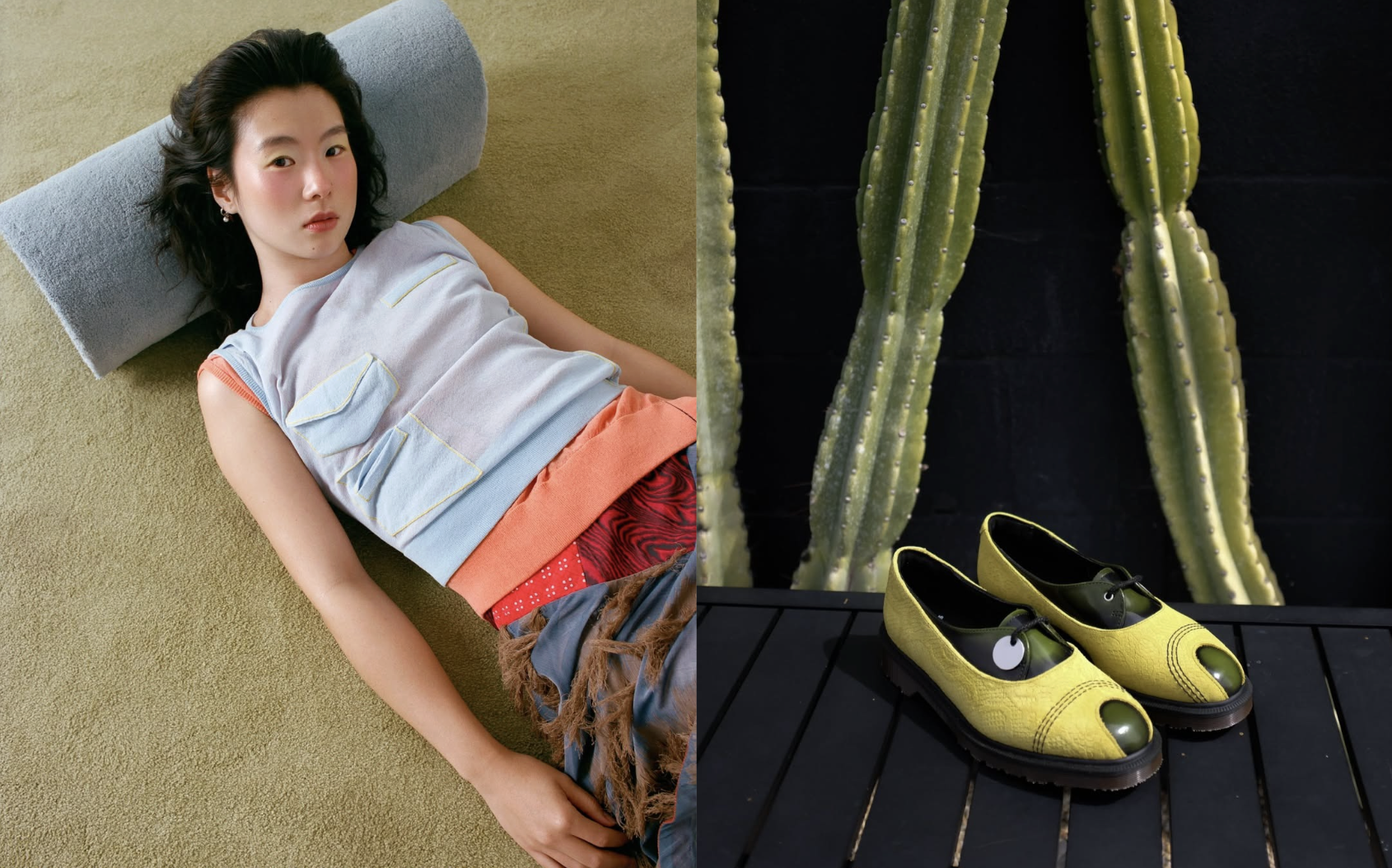
I often think about the “creative class” theory, popularised by urban economist Richard Florida in his 2002 book The Rise of the Creative Class, which argues that human creativity is the primary driver of modern economic growth. You can see echoes of that idea in the way urban infrastructure shapes culture—through artist studios in downtown LA, tech companies opening hubs in Culver City, and the ecosystems that form around them.
It feels like the cyclical nature of culture is especially visible in LA right now, where the rise, decline and revival of trends and ideas seem to be completing a generational cycle.
Are there any emerging trends, movements or shifts that feel especially local? Many different players – fashion brands, galleries, and local community spaces – are all gravitating toward experience as a form of cultural anchoring. Not something flat or static, but something you have to show up for, something shaped by the space itself. While not necessarily “emerging,” this feels particularly specific to LA.
Dior staging its Cruise 2027 show at the newly opened David Geffen Galleries at LACMA with Old Hollywood motifs, Julia Stoschek resurrecting the Variety Arts Theatre for her US debut, and a 99-cent store or a boarded-up Sizzler on Wilshire becoming exhibition spaces – all point to the same idea: architecture and venue functioning as the medium itself.
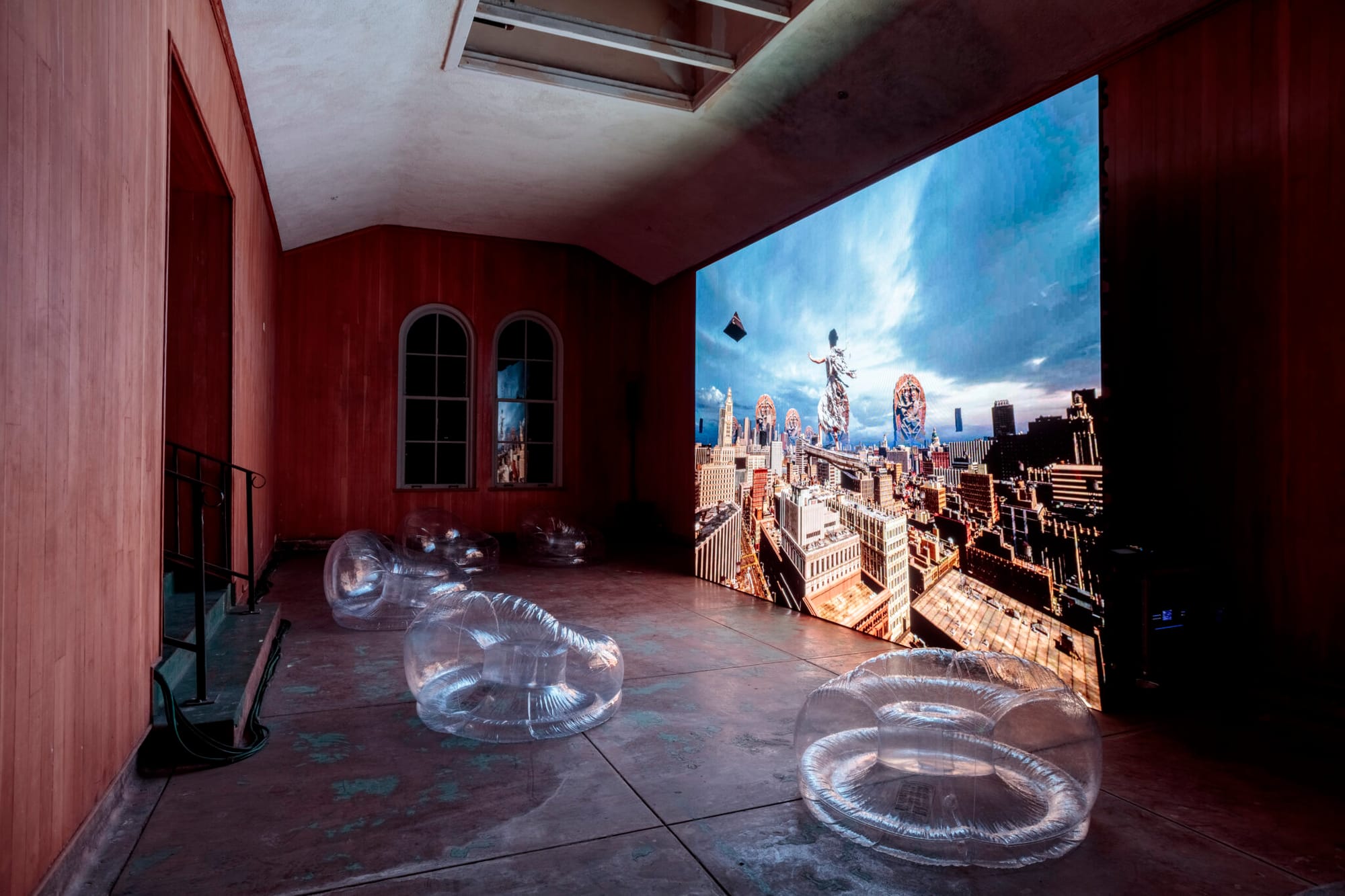
At the same time, more community-driven brands and spaces such as USAL and District Vision are bringing together run-club participants and wellness-minded communities around something that feels like genuine scene-building rather than lifestyle branding. This same impulse is visible across many major cities right now, but something about LA makes it feel especially urgent.
How does your city influence the way you think about culture, creativity or brand-building? LA is a melting pot where you can find small pockets of niche communities while simultaneously feeling that the city doesn’t offer enough – and I think that contradiction is the point. Navigating contradictions builds resilience. Wildfires, labour strikes, galleries and stores closing under shifting economic pressures, the car as your primary space for thought.
What I take from that, and into how I think about culture and brand-building, is that creativity here is rooted in a desire to connect and preserve. You see it in immigrant communities, in people chasing a dream (I know that sounds cliché, but it’s true), and in the cross-disciplinary work emerging across music, film, and tech. Culture seeps into people’s work in ways that create space for genuine experimentation, and that’s what I find most inspiring about being here.
Hyoeun Kelly is a LA-based curator whose practice is rooted in human-centred design and the systems that shape how we experience culture, producing experiential events, temporary installations and exhibitions.
Pietro Leonardi – Milan, Italy
Creatively, socially, culturally – what feels distinct about Milan at the moment? What I find interesting at the moment is that Milan seems to have reached a saturation point in branded production and influence. During the post-Covid period, the city’s cultural offering expanded at an unprecedented pace, reinforcing its reputation as Italy’s most creatively attractive city. Recently, though, something has shifted. During the last Design Week, there was a widely shared feeling that major players – especially fashion houses with significant spending power – had taken over the visibility once reserved for independent collectives and smaller creative forces that rely on that week to break through.
This dynamic has been building for a few years, but it now seems to have reached a plateau. The word on the street is that everything has become oversaturated and hyper-produced. What comes next is the most interesting part: whether the scene continues to consolidate around these dominant forces, or whether creative energy disperses once again into smaller, more independent ecosystems.
What emerging trends, movements or shifts have caught your eye? I think there’s a circular movement in motion – fitting for a city architecturally built in concentric rings, expanding outward through its ring roads. Experimental electronic music performances seem to have absorbed the cultural position that independent art spaces occupied in the 2010s. Over time, the two worlds have gradually exchanged practices and modes of operation.
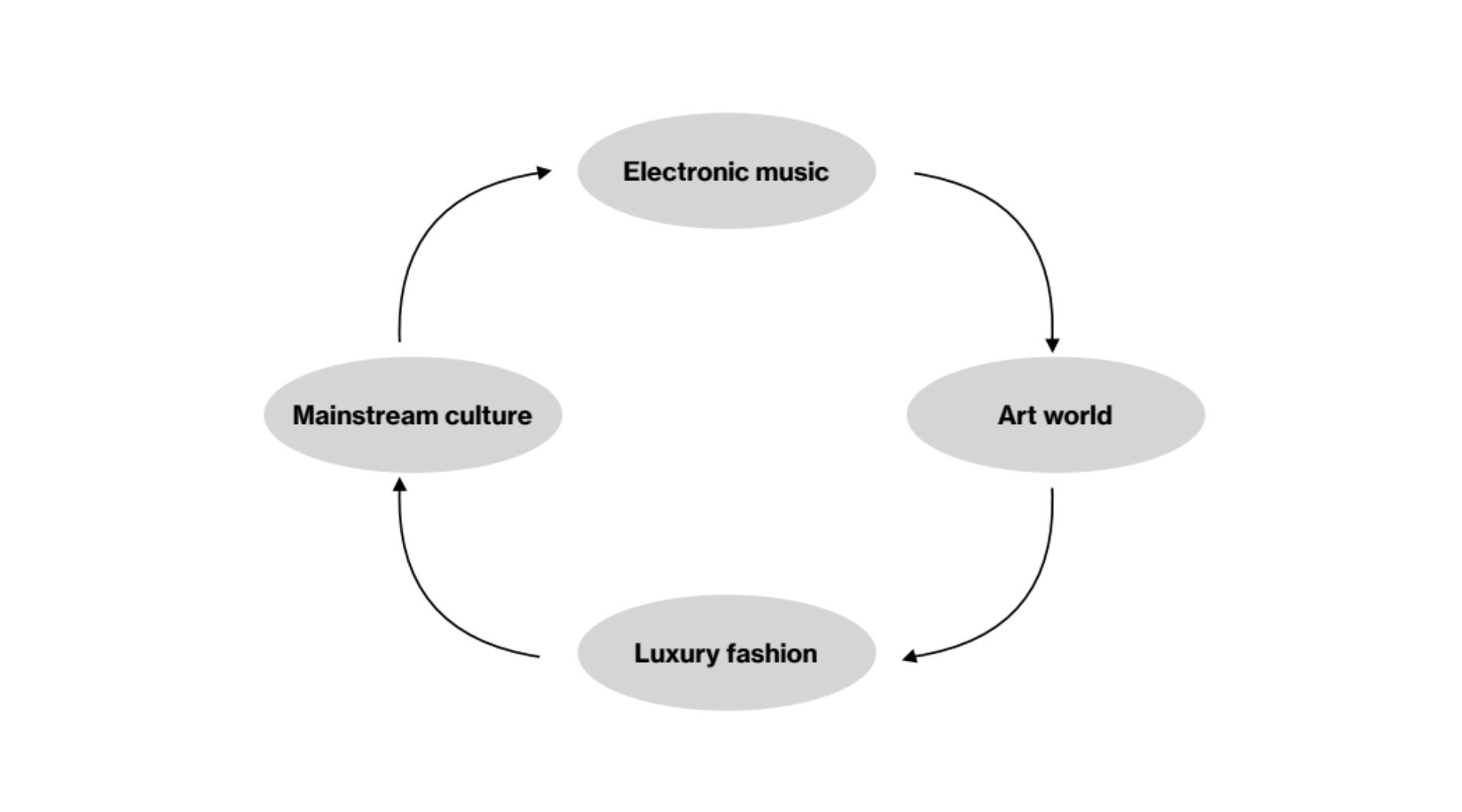
As a result, the art world now appears to occupy a position closer to what traditional luxury fashion once represented: more industry-facing and slightly more exclusive. Meanwhile, luxury fashion has gone fully mass. Media outlets such as nss magazine cover the reshuffling of creative directors at major fashion houses in a way that feels almost speculative, not unlike football transfer news.
In turn, fashion is exposing broader audiences to more experimental creative languages, completing the circle by bringing less accessible art forms – such as listening-oriented electronic music – into wider cultural visibility.
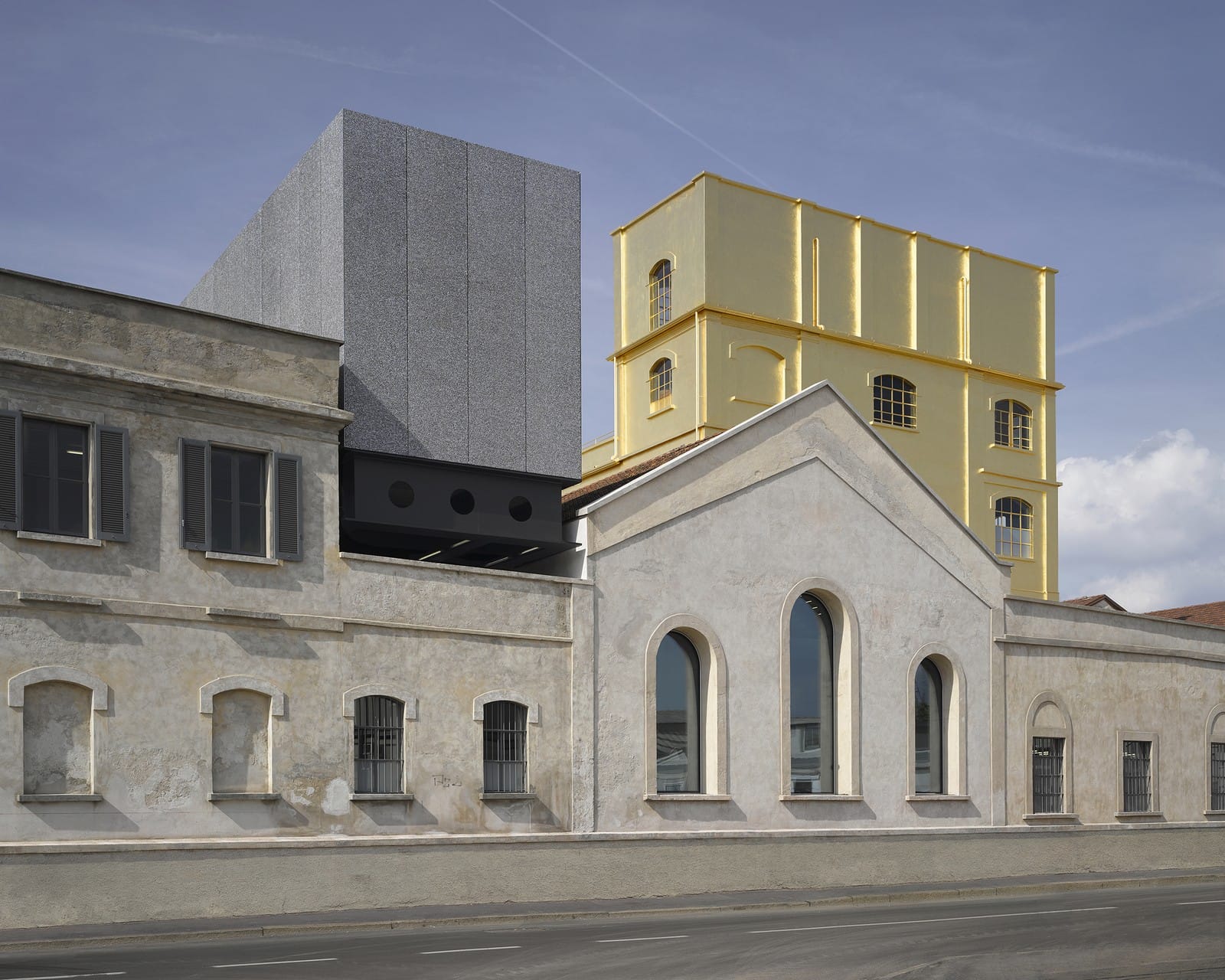
What brands, spaces or communities best capture the spirit of your city today? Fondazione Prada is by far the cultural institution that best captures the spirit of Milan today. Originating from a fashion label, it brings together art, cinema, music and science under a coherent vision within a space located in a formerly industrial area of the city. Last year marked the 10th anniversary of its Largo Isarco venue. Over the past decade, it has developed a multidisciplinary programme that positions it as a place for cultural education across diverse audiences.
Two agencies also stand out for using music as a platform to operate across different cultural layers. Threes Productions and Other Experiences both embody a multidisciplinary approach to cultural production that feels rooted in a shared vocabulary. Their work combines curatorial music programming with performances, brand activations, and listening sessions, all shaped by a distinctive and recognisable point of view.
Pietro Leonardi is a freelance social media strategist and researcher. He contributes to a range of print and online publications, focusing on music, media and contemporary culture.
Lenny Sorbé – Paris, France
What’s standing out in Paris? The energy. You could feel it building over the past few years, and now people abroad genuinely see how vibrant Paris has become. They see how much we love and support our own music, how exciting the parties and events look, and it creates a sense of FOMO – as if they need to come and experience it for themselves. There’s a feeling that if you’re not paying attention to what’s happening here, you’re missing out on something special.
What’s interesting is that this feeling is still relatively new. For the longest time, I felt like we were the ones looking elsewhere, almost envying what was happening abroad. Paris, France, and the culture that came with it often didn’t feel like “enough” for many Parisians.
You can see this shift reflected in the evolution of Fête de la Musique. What began as a deeply local celebration has become a major global event that brands and international artists actively want to be part of.
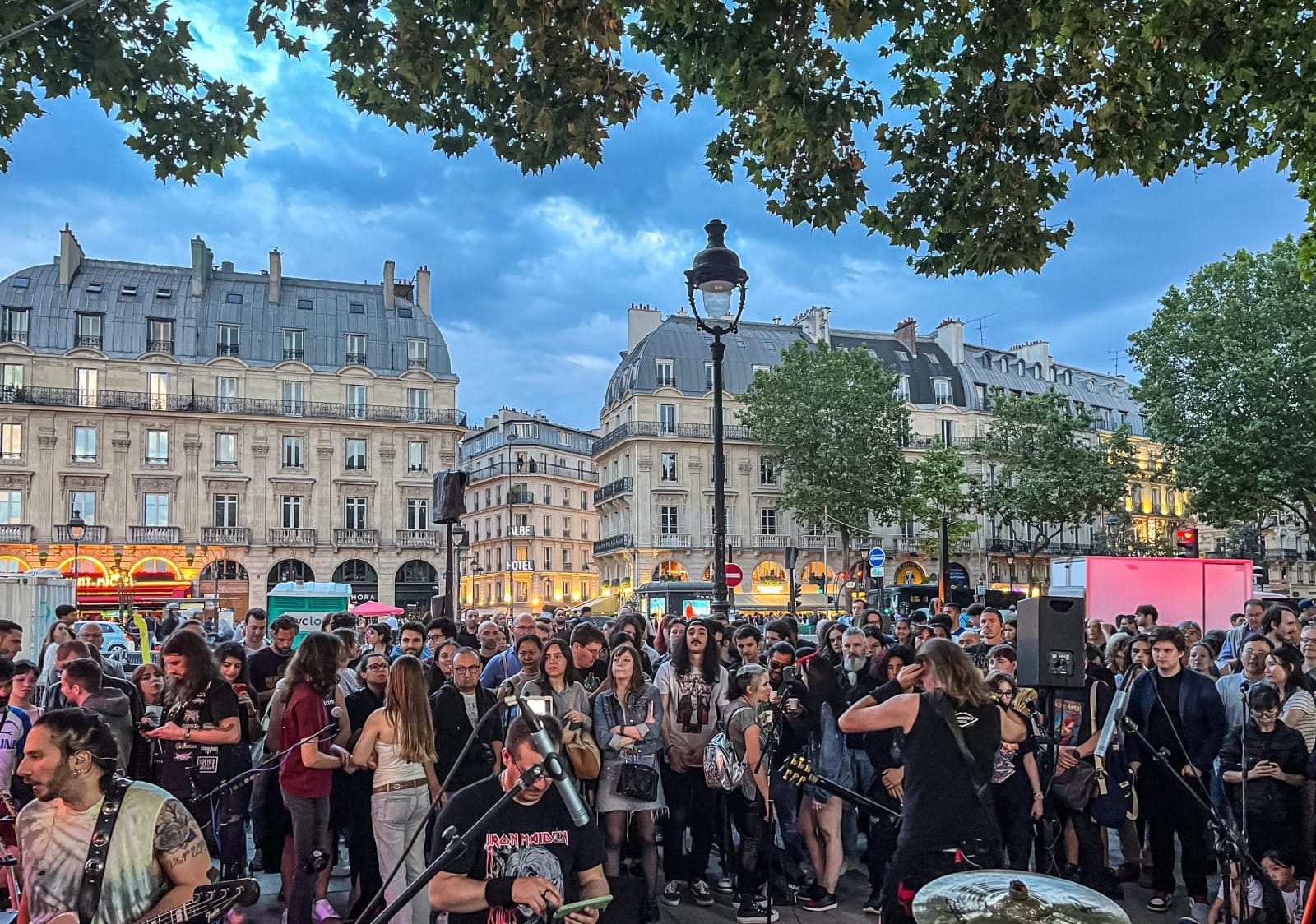
I also think that young people in Paris – particularly those from African and Caribbean backgrounds – have fundamentally reshaped what “French culture” means. They created a version of it that reflects their realities, something they can embody, relate to, and genuinely take pride in. That has made a huge difference.
What brands, spaces or communities best capture the spirit of your city today? I feel like Paris’ soft power is currently being driven by the African and Caribbean diaspora, and there are a few key players who embody that particularly well. In fact, I don’t think most of them had to consciously “understand” it – they’re part of these communities themselves, so their identities, perspectives, and ways of operating naturally reflect that reality.
I’m thinking of Yardland Festival, for example. They’re not necessarily chasing the biggest names for their line-up, but they have a clear understanding of why they’re organising a festival and who they’re doing it for. As a result, every decision feels culturally relevant and intentional.
Yardland Festival
There’s also L’Union de la Jeunesse Internationale, which remains one of those places you simply can’t overlook. It carries a real legacy – a cultural centre in Barbès that took over a building formerly occupied by a major department store popular with working-class communities. Today, it hosts a wide range of emerging brands and creatives, and the entire space feels deeply community-driven.
The same could be said for La Maison de la Conversation. It may be less well known and even more local, but it shares that same spirit of openness and collective engagement.
I also enjoy attending events organised by the French R&B community through platforms such as R&B Renaissance. The atmosphere feels distinctly Black, genuine and caring, shaped by people who are deeply passionate about the culture they’re building.
Name one or two people that stand out to you at the moment. The first person who comes to mind is Yasmine Mady. She’s a journalist whose work I really appreciate because she seems incredibly aligned with herself. She gives the impression of knowing exactly who she is, what motivates her, and why she does what she does.
She also runs an Instagram account called @noiresoeurs, which feels somewhere between a blog and an expansive personal archive of thoughts, moments and inspirations. Through it, she regularly raises interesting questions and explores topics that aren’t always easy to discuss, creating space for meaningful reflection and conversation.
Lenny Sorbé is a journalist, curator and DJ.
SEED Club is our decentralised research community of 450+ handpicked strategists, journalists and cultural thinkers who sow and grow all the SEEDS you see on Protein – identifying, analysing and explaining signals in culture. If you’d like to join, you can apply here.
| SEED | #8413 |
|---|---|
| DATE | 27.05.26 |
| PLANTED BY | PROTEIN |
| CONTRIBUTORS | LENNY SORBÉ, PIETRO LEONARDI, HYOEUN KELLY |