
What’s Next For Memes

Meet the panellists for our upcoming FORUM exploring meme culture’s shifting meaning, from viral chaos to brand strategy.

We’re bringing together three leading thinkers and practitioners across culture, strategy and the internet’s more chaotic edges on 29th April to ask if memes still matter – and what comes next:
- Catty Berragan, co-founder of the creative studio PATHETIC, born from his Instagram meme page (reaching 50 million people every month), which now works with brands including Cash App, MUBI, Nike and Gucci.
- İdil Galip, writer, researcher and lecturer at the University of Amsterdam whose work explores the meme as the foundational infrastructure of contemporary culture and politics.
- Natalie Podaima, writer and social media strategist specialising in media theory, memes and the semiotics of internet culture, who helps brands translate cultural intelligence into content strategy. She’s also the author of our Let Me Explain SEED.
The conversation lands at a moment when memes feel more embedded in culture than ever – but also harder to pin down, as their meaning shifts and the ways they’re used keep mutating.
For a chunk of his recent Coachella set, Justin Bieber sat on stage looking at his laptop. With his screen streamed live onto the festival’s giant display, Bieber trawled YouTube, duetting with videos of his younger self singing. Sometimes, he took breaks to play vintage memes such as “Deez Nuts” and “Double Rainbow”, alongside clips of himself walking into glass doors and falling off stage.
His most notable (albeit unintentional) contribution to meme culture, however, comes from his confrontation with paparazzi last year, which gave us the viral lines: “It’s not clocking to you” and “Standing on business”. With the video playing behind him, he recited the rant turned meme, hand gestures and all. Bieber’s brand SKYLRK (which featured in our Autumn BRAND BRIEFING (2025) also dropped a Coachella collection with the phrases emblazoned across t-shirts and hoodies.
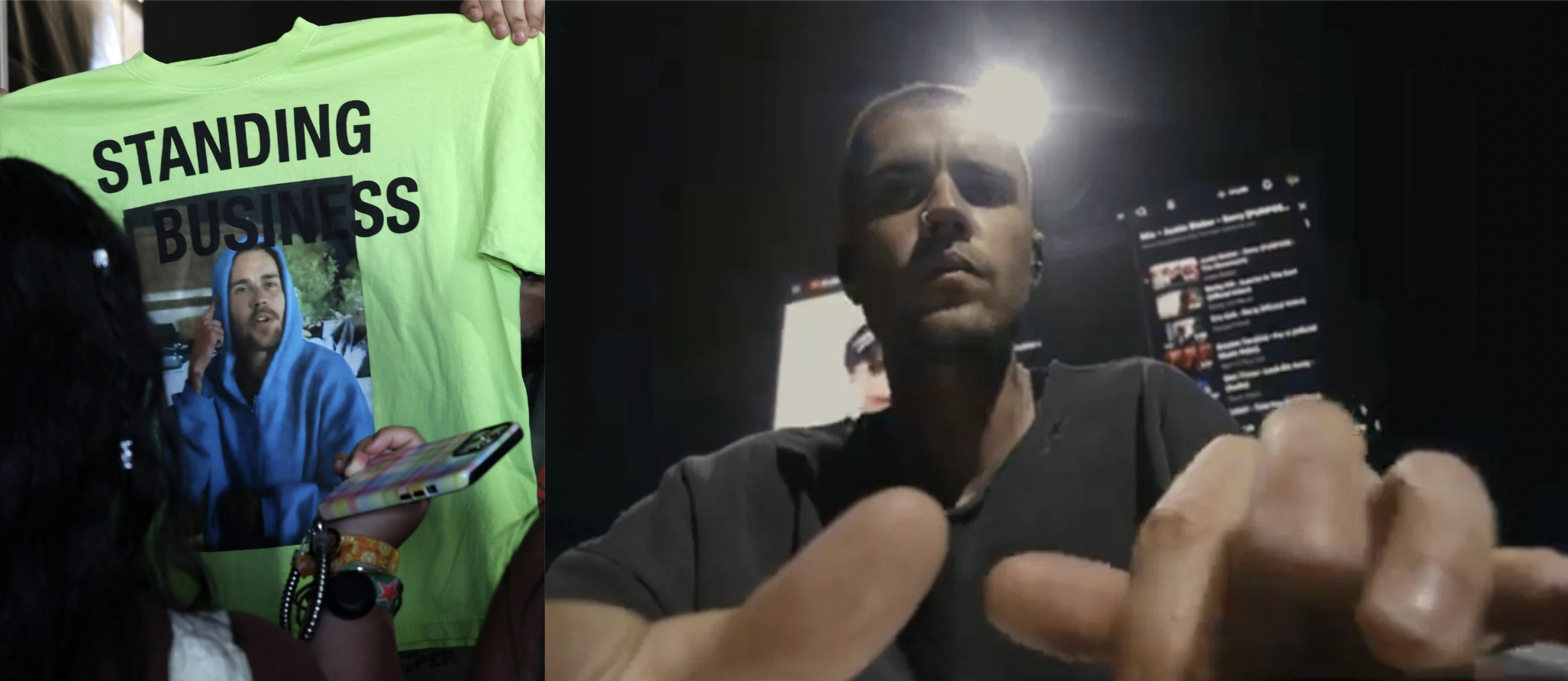
Featuring memes in a headline performance – and converting them into official merch – is further evidence of how memes have become a pervasive cultural force, but also demonstrates how their position, definition and understanding is changing.
No longer confined to a specific style, and with no topic off the table, memes have become more absurd and frenzied than ever. They’re also being utilised in new ways, favoured as a format to circulate silly clips or snappy cultural commentary as much as sloppy, surrealist imagery or political rhetoric. Many memes, such as in Bieber’s case, never set out to become one. Increasingly, it’s the content that feels the most random and bizarre that spreads and clings with the most potency, compared to something purposefully planned to catch hold.
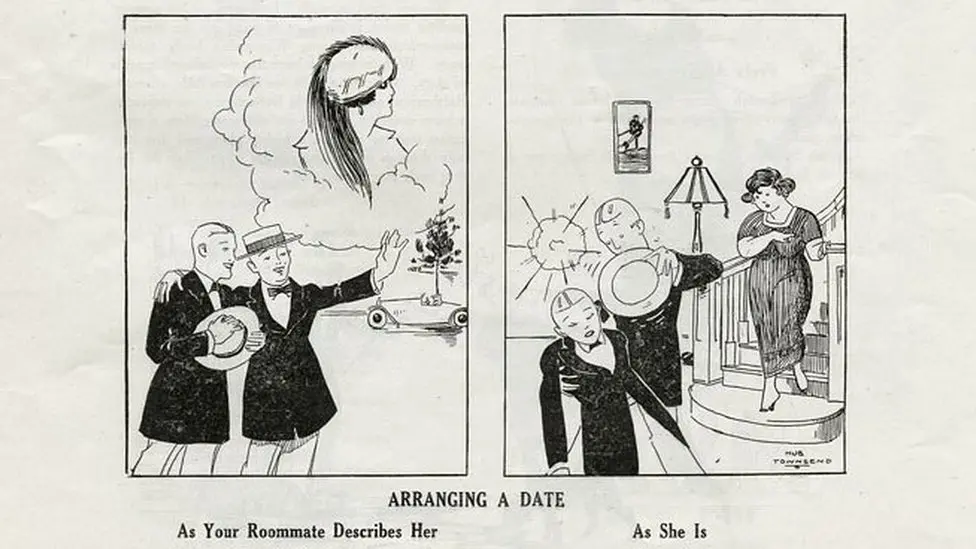
In the Reddit channel r/memes, one post lays out the history of memes, recognising the different eras memes have moved through for over 100 years, starting with a satirical newspaper cartoon from 1921. The current meme phase we find ourselves in has been described as the “brain rot era”, with one Reddit user explaining how, “memes have evolved to become incomprehensible sensory stimulus with no real punchline”. To this, another user responded, “This is honestly a pretty good description of the Dada art movement of the early 1900s”, something Günseli Yalcinkaya explores in her piece “Digital Dada or Futurist slop? An investigation into brainrot as art” for Plaster.
| SEED | #8402 |
|---|---|
| DATE | 16.04.26 |
| PLANTED BY | PROTEIN |
