“6-7” is a meme about memes. Probably originating from Skrilla lyrics, then somehow becoming the soundtrack to basketball edits on TikTok, it latched itself onto the 6ft 7 American NBA star LaMelo Ball.
Still, it hadn’t peaked. That came courtside: a young boy shouting “6-7”, hands hovering like weighing scales, palms rising and falling, as if measuring something invisible. He – and then the meme itself – went stratospheric, for no apparent reason.
“6-7” signals a shift – subtle, but revealing – in how memes move now. Its whole point, its whole appeal is in its vacancy. Where memes once carried ideas, inside jokes, spreading fragments of meaning from brain-to-brain, “6-7” offers nothing to decode. It just is. And maybe that’s the point. In a moment that feels increasingly and wildly senseless, what better vessel for collective feeling than something so inherently nonsensical?
But this isn’t just another meme cycle – it’s a question of whether memes still function as culture at all, or if they’ve collapsed into pure noise. If meaning has drained out, what exactly are brands – and all of us – now participating in?
And yet, as Will Stanley writes in The New York Times, even the most inane phrases still tether themselves to something adjacent to reality – “chopped uncs, rizzlers, gyats”. It’s all “real enough,” he adds. Memes might feel like digital ephemera, flattened into feeds and forgotten within hours, but they carry true gravitas and real-world influence. They shape language, behaviour, belief. At least, they used to.
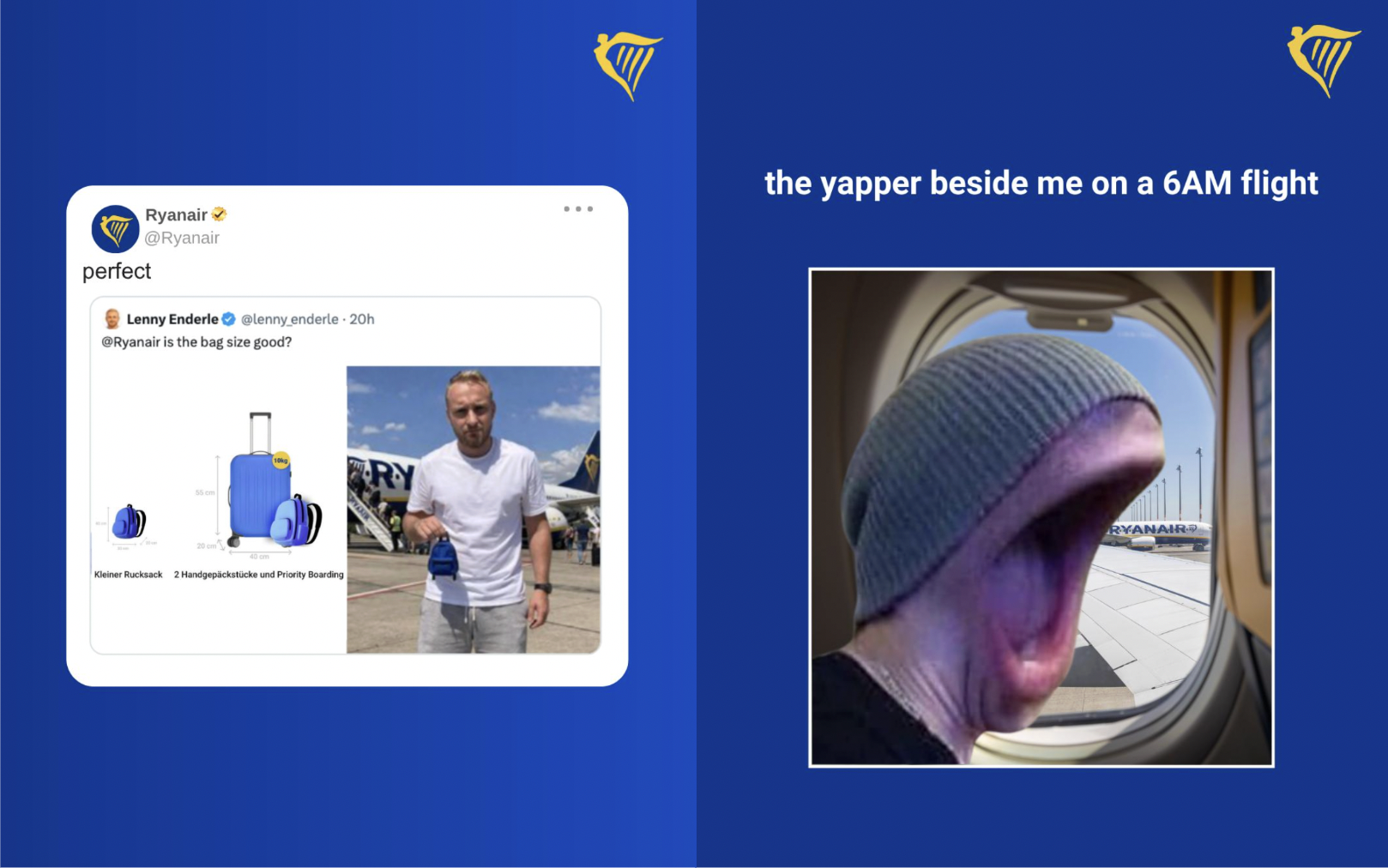
Some of Ryanair's signature memes
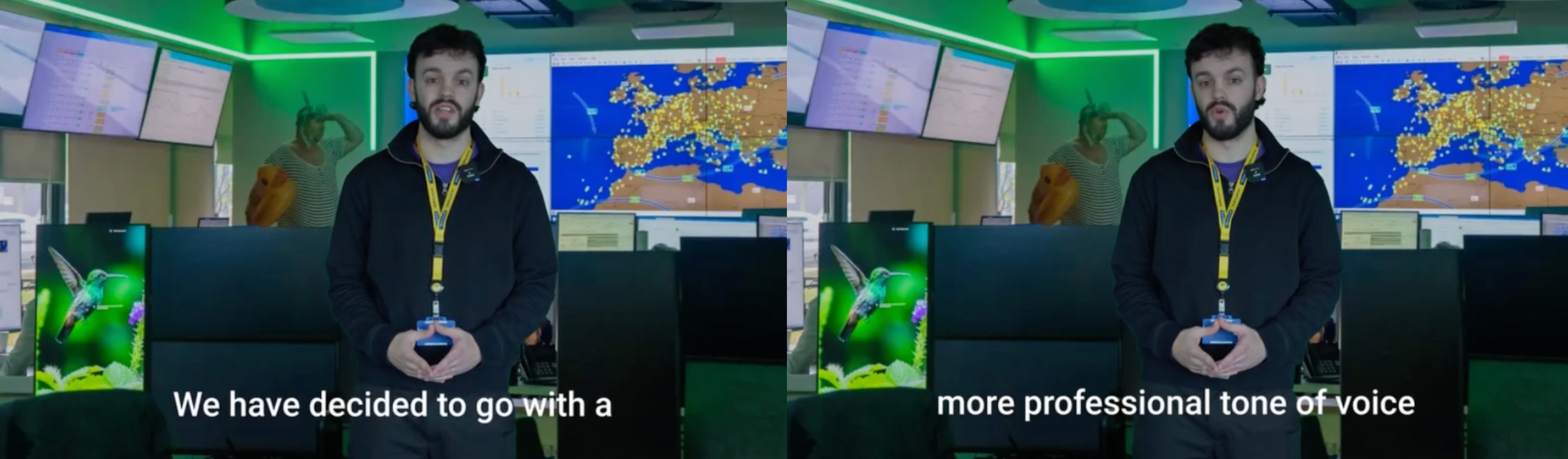
Brands, of course, have been watching. For years, the play has been simple: meme to seem human. Sometimes it works. Sometimes it really works. Ryanair, Duolingo, Wendy’s, Nutter Butter, Scrub Daddy – fluent, fast, a little feral, and frequently cited as best in class. Ryanair has built an entire tone of voice around it. This year, it even joked about going corporate for April Fool’s. No chance.
Protein AGENCY provides insight, foresight and strategy for global brands that's rooted in culture and the collective knowledge of SEED CLUB - our decentralised research community of 450+ global experts.