Continuing our series on the state of social media, SEED CLUB identifies the new moods shaping online culture.
For more than a decade, social media felt inevitable. Log on, scroll, post, repeat. But lately the vibe has shifted. The platforms that once promised connection now feel like infrastructure for extraction and addiction – harvesting attention, data, creative labour.
In a sprawling SEED CLUB thread our global community of experts began asking what's next for the platforms we all spend too much time on? The conversation reads like a snapshot of a moment where the internet feels both exhausted and on the brink of reinvention — which began with a provocation from Malena Roche two months ago:
“There’s been tons on the news about Musk and Zuckerberg and the TikTok ban, but I want to talk about people’s desire to find a new ethical home for their online personas. Seems like all major channels are owned by technocrats, but I see an appetite for something else... People want to exist online without unwillingly helping rich immoral men get richer.”
The Technofeudalism Moment
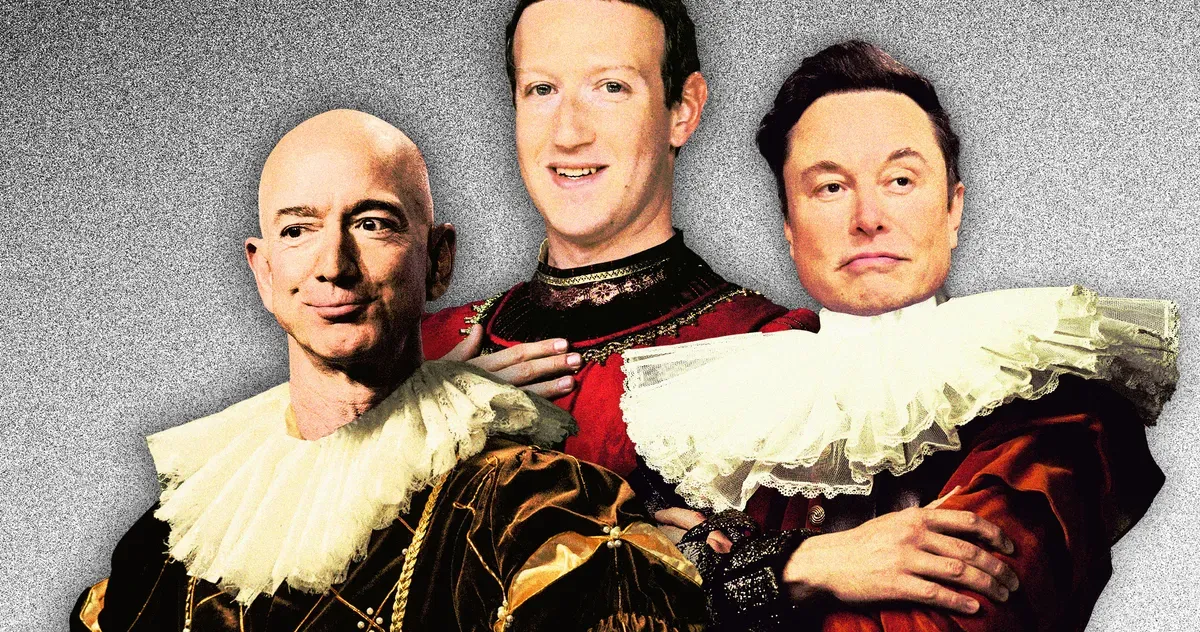
A big theme in the thread is something economists and writers have increasingly called technofeudalism – the idea that digital platforms operate less like open markets and more like medieval estates, where a few powerful players control the infrastructure and everyone else works the land.
Source: New York Magazine
Roche references the concept directly:
“I’m also reading a book that’s somewhat on this topic called Technofeudalism, and it touches upon some interesting topics such as people being monetised for data/content, which I guess, at first, was not perceived as problematic, but as more and more online spaces become toxic and bully central, this thesis becomes more and more infuriating.”
That feeling – of slowly realising you’ve been working someone else’s digital farm – seems to be spreading. Juliana Callia-Long frames the next phase as a potential rebellion against the system:
“I’m also interested in the concept of ‘technofeudalism’ and the necessary counter-movement that may need to emerge. I’m thinking of something around social platform fluidity and disobedience, but I’m still unsure how it will manifest.”
Protein AGENCY provides insight, foresight and strategy for global brands that's rooted in culture and the collective knowledge of SEED CLUB - our decentralised research community of 450+ global experts.