

The Action Is The Juice

Introducing DISPATCH: field reports and musings from the Protein AGENCY team.

Protein AGENCY specialises in cultural insight, foresight and strategy, helping global brands understand and connect with the world around them. Our approach is rooted in our proximity to culture and leveraging the collective knowledge of SEED CLUB – our decentralised research community.
The team recently travelled across 12 global cities for an ethnographic study, speaking to creatives about their process. From comedians, musicians and livestreamers, to dancers, educators and stylists, we heard an expansive set of voices. We visited London, Paris, Amsterdam, Miami, LA, NYC, Tokyo, Shanghai, Seoul, São Paulo, Mumbai, and Buenos Aires in the space of 6 weeks. It was the kind of project you always dream of working on.
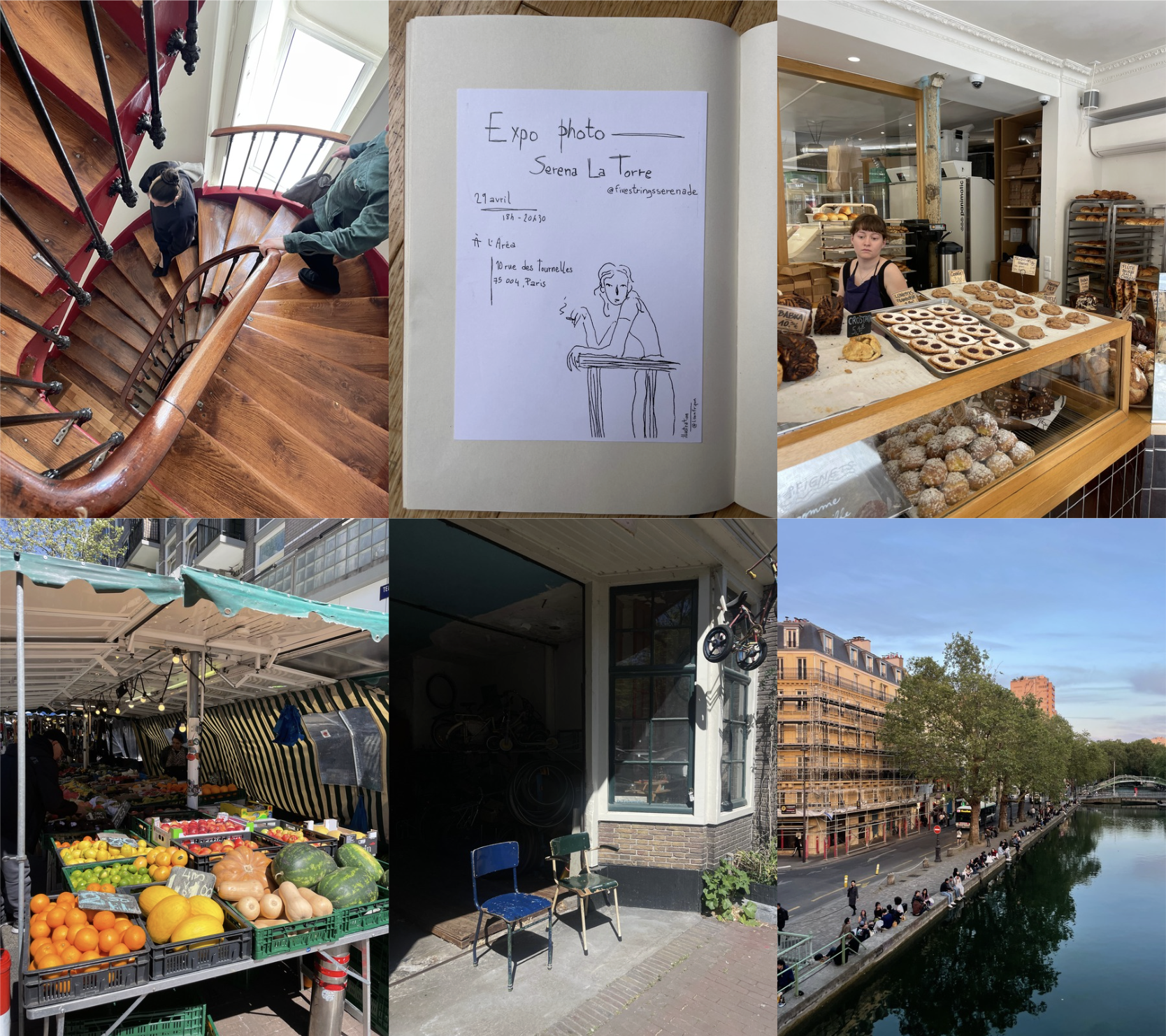
We knew that trying to understand this layered topic purely from afar would only scratch the surface. There was a risk that desk-based work alone might reduce the complexity of creativity into neat narratives, missing the contradictions and unexpected influences that only reveal themselves through spending time with people face to face, and in their natural environments.
So we set out to gain a first-hand understanding. Beginning with diaries and creative tasks over a week, we first built a picture of what everyday life for these people looked like. With this overview we were able to zoom in to the richest, most fascinating areas. We travelled to their cities; we spent time in their homes, workplaces and neighbourhoods; we met the people they surround themselves with and who support their creative work. With this approach, we were able to uncover insights and identify patterns we wouldn’t have been able to otherwise.
It’s a particularly interesting time to investigate creativity. The increasing involvement of technology in creative practices has created a contested landscape, raising questions about what it means to actually be creative.
AI was a key talking point in every conversation we had, with people telling us how it sets the terms for understanding creativity today. For some, creativity is a sacred thing, bound up with their identity and a core part of their humanity. For others it's more pragmatic: an effective way to solve problems and sold as a service.
How Creatives Across 12 Global Cities Use AI
A recent study by Adobe found 75% of creators consider AI integral or essential to their workflow. This was echoed among the people we spoke to, however, when it came to how and where AI should show up in the process, their responses varied widely. At one end of the spectrum there were the techno-optimists who were able to create because of what AI enables them to do. For them, no part of their process was off limits to AI, as long as they were the ones prompting and deciding what was executed. At the other end were those who welcomed AI for admin tasks, but drew a hard line when it came to AI being involved in actual creative outputs, feeling that allowing AI in meant compromising the integrity and value of the human hand.
These beliefs and practices differed across regions. In Europe the resistance to AI was more philosophical, with people feeling strongly about protecting the inherently human creative process. While in North America, the cohort we spoke with were more open to incorporating AI in their creative work; AI was thought more as a partner to bounce ideas off, or strategic collaborator to work through knotty ideas with. This group was more likely than any other to bring AI beyond work and use it for personal decision making.
In Asia and South America, there was a strong awareness of AI as a Western development, and this shaped how people were able to use it. For example, voice tools struggled when English wasn’t the default language. Since AI models are trained on US-centric data, creatives had to jump between tools to translate prompts into English to get usable results. Even then, these results often missed local context, language or aesthetics. In Shanghai, censorship and unstable VPNs meant this stitching together of multiple tools was especially prominent.
A Short History Of Creativity
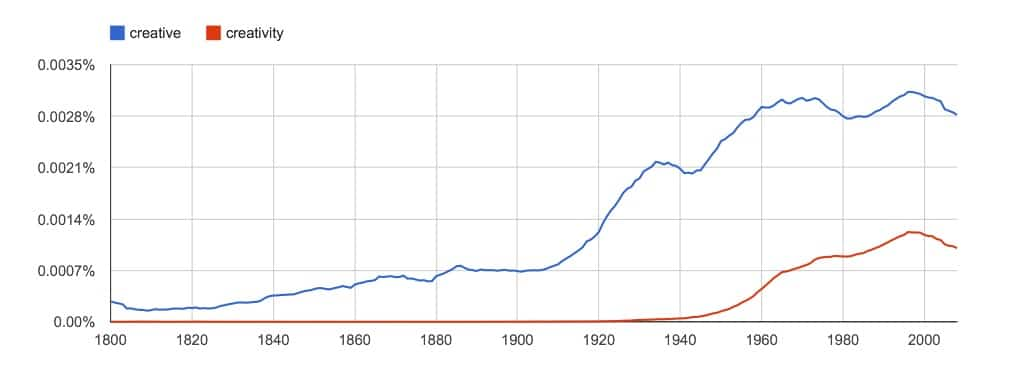
To recognise the full weight of this inflection point, it's helpful to understand just how new the word ‘creativity’ is in culture. Historian Samuel W. Franklin argues in his book, The Cult of Creativity, that before about 1950, there was almost nothing written explicitly on the subject.
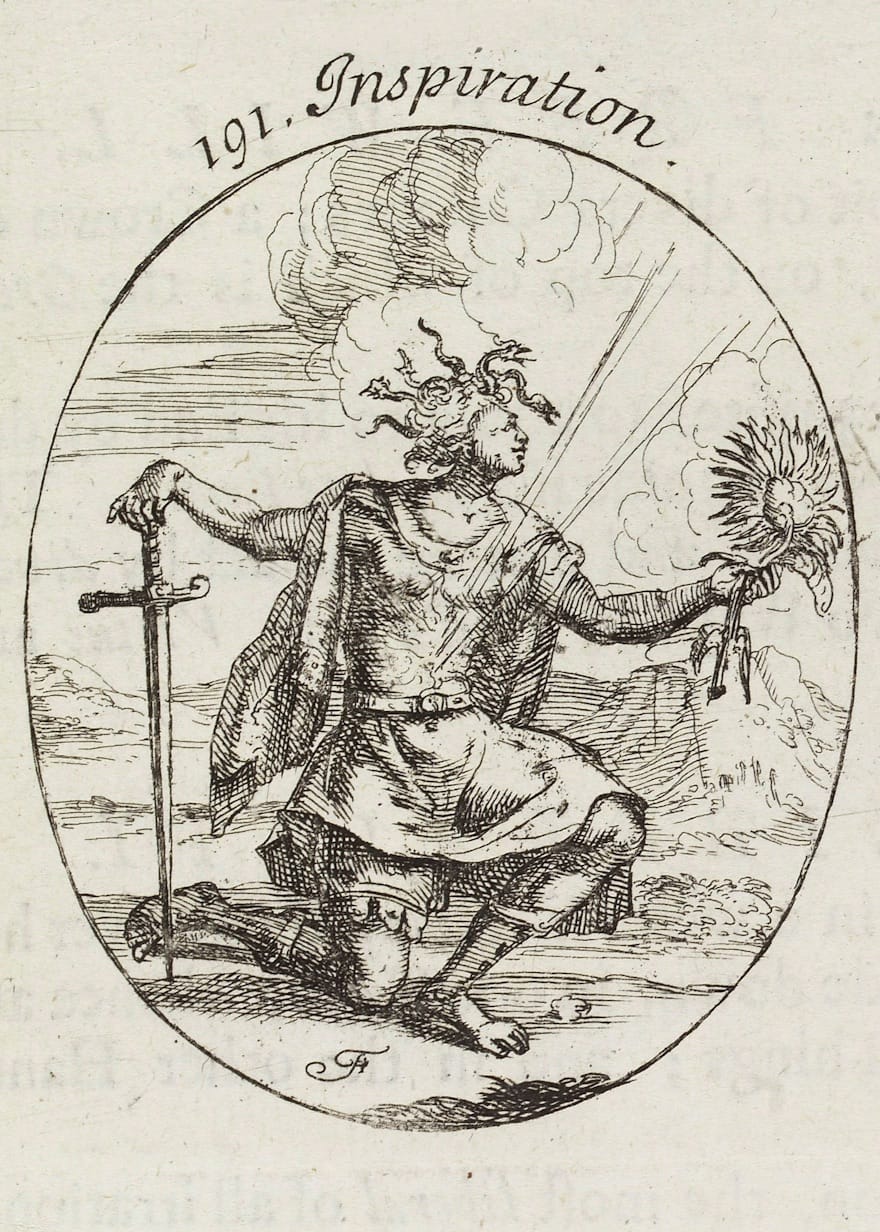
In fact, for most of human history, creativity was not seen as something a person could possess: it was something that visited them. The Greeks and Romans assumed human beings couldn’t conjure genuinely new things on their own, and credited the spark to a gift from the gods. Even as the Renaissance began to celebrate the genius of individual artists, with figures like Michelangelo and Leonardo revered for their gifts, divine origin was still thought of as the source of their creativity.
“God would seem to indicate to us and not allow us to doubt that these beautiful poems are not human, or the work of man, but divine and the work of God; and that the poets are only the interpreters of the Gods by whom they are severally possessed.” Plato, Ion, 534c-e
When the term took hold in the 1950s, it wasn’t driven by an interest in art. Instead, Franklin reads the surge as a sign of the anxieties of the age: millions of post-war Americans had moved into secure office jobs and identical suburbs, leaving them feeling like replaceable cogs. Creativity was the reassurance that an individual person survived underneath the exterior. The current obsession people have with possessing good taste being the updated version of this.
Franklin holds two forces responsible for the shift. The first was national security: Cold War psychologists, backed by US defence, set out to define and measure creativity, anxious about keeping ahead of the Soviets and fearful that human ingenuity was the one thing standing between society and machines. The second was the workplace: employers wanted more inventive workers as the economy moved from manufacturing towards services and ideas. Just think of the Mad Men era of advertising. The aim was to take the qualities people admired in artists: originality, passion, the synthesis of complex ideas into simple forms, and lend them to science, technology and consumer culture. Soon, corporate America adopted creativity as the ideal mindset, birthing a whole new set of so-called corporate-creative industries. Lest I say more.
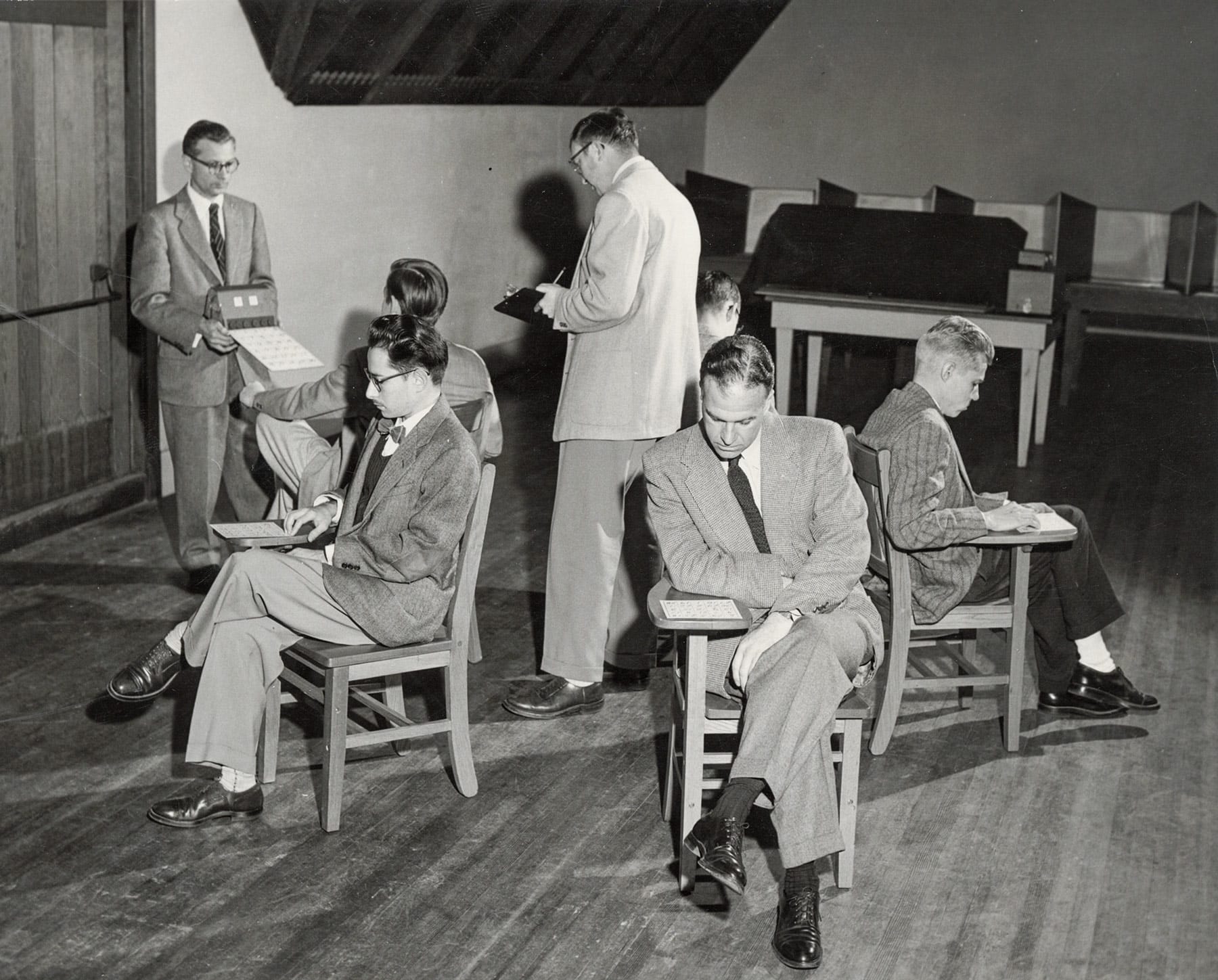
Donald MacKinnon, one of those aforementioned psychologists, formed the Institute of Personality Assessment and Research at Berkeley. This time, his mission wasn’t to screen recruits for American intelligence services, but to determine what makes a person creative. Together with Frank Barron, they brought eminent creatives into the institute's headquarters to observe them: a frat house they nicknamed ‘the fishbowl’. Over several years they studied dozens of prominent writers, including Truman Capote and Norman Mailer, running formal tests, as well as watching subjects at cocktail hours to gauge their social skills. Capote is said to have workshopped an early version of Holly Golightly during a group task. Despite the study rumoured to produce such a feat, what it didn’t manage to conjure was a clear and defined profile of the creative person.
Liberated and Surveilled
From the mid-2000s, sites and tools such as YouTube and the iPhone meant anyone with an internet connection could create something, share it with an audience, and potentially get paid for it. Soon, ‘creator’ became a real occupation, with Richard Florida framing the creator economy as the digital expression of creativity’s rise through the economy and society; power shifted away from major media conglomerates and into the hands of individuals. Today, 64% of Gen Z consider themselves creators, with 50% of Americans participating in content creation.
But for the people we spoke to, this felt less like liberation; almost everyone told us that social media was a necessary evil. On one hand, it had opened a way to monetise their craft. On the other, it brought an unrelenting pressure to share, a pressure Serra Utkum Ikiz names in our Make Art Anyway SEED: ‘You can feel liberated and surveilled at once.’ To be shared, work has to be perfect, and anything posted invites criticism, so experimentation starts to feel risky and creativity gets flattened. A sentiment we explored in The Stupid REPORT and Matt Klein discussed in Culture Isn’t Coded.
For the people we spoke to there was, however, a clear unifying belief: that the work should be hard.
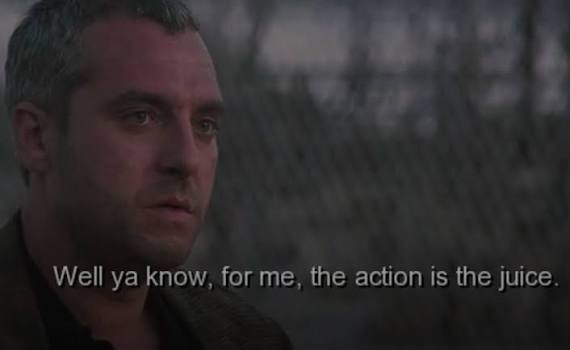
The tortured-artist trope lingers, and people felt there had to be some struggle in the process. Friction is integral to surfacing something valuable. Even if this is battling Midjourney prompts to get to the image you have in your head. Wherever it came from, that uphill push was where people felt most creative. To quote the Michael Mann classic Heat, ‘the action is the juice’.
| SEED | #8446 |
|---|---|
| DATE | 22.09.26 |
| PLANTED BY | PROTEIN |
