How the surge in Medieval-inspired culture and branding reflects a longing for simpler times – featuring underconsumption core and Chappell ‘Roan of Arc’.
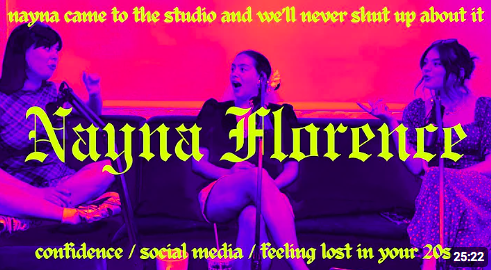
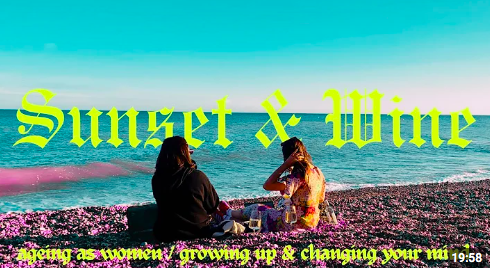
Initially inspired by typography, and mostly from YouTube thumbnails, the theme of Medieval nostalgia has been on my mind. In some ways, I couldn’t help it. The fascination with an ancient world populated with heroes and myths was seemingly everywhere I looked.
It was there when I started listening to the Goes Without Saying podcast and subscribed to the hosts’ YouTube channel, ‘Sephy and Wing’, noticing that a lot of the fonts had a Medieval, gothic look. Most notably, perhaps, it was there in the poster for the film Saltburn, whichused a custom font called Salium, from FG Studios, inspired by writing styles from manuscripts from the Middle Ages. Elsewhere, Chappell Roan truly committed to Medieval style at the MTV VMAs in February, with outfits ranging from a suit of armour and flaming crossbow on stage to a hooded chainmail dress when accepting the Best New Artist award.
Medieval fonts appear particularly anachronistic in the digital age – conveying a kind of detail-driven, handmade relationship to the written word that has been antiquated since the invention of the printing press. I was intrigued by what made Medieval fonts and styles the go-to choice for everything from a podcast targeting Gen Z women to a blockbuster cinematic release.
Bardcore is a musical microgenre I became aware of after hearing a cover of Yeah! by Usher. Featuring covers of pop, R&B and rap songs using Medieval instrumentation, bardcore emerged around 2020 with accounts like Beedle the Bardcore and Hildegard von Blingin leading the genre. Most bardcore is instrumental, and the tunes are always familiar. I think hearing a good Medieval style cover of a modern song, from Africa by Toto to No Scrubs, is such a joyful experience because it connects you to a timeless sense of how music and its emotional associations can be conveyed, regardless of the instruments and technology available at that point in history. As one commenter puts it under the ‘Yeah!’ but it’s Medieval’ Youtube video:
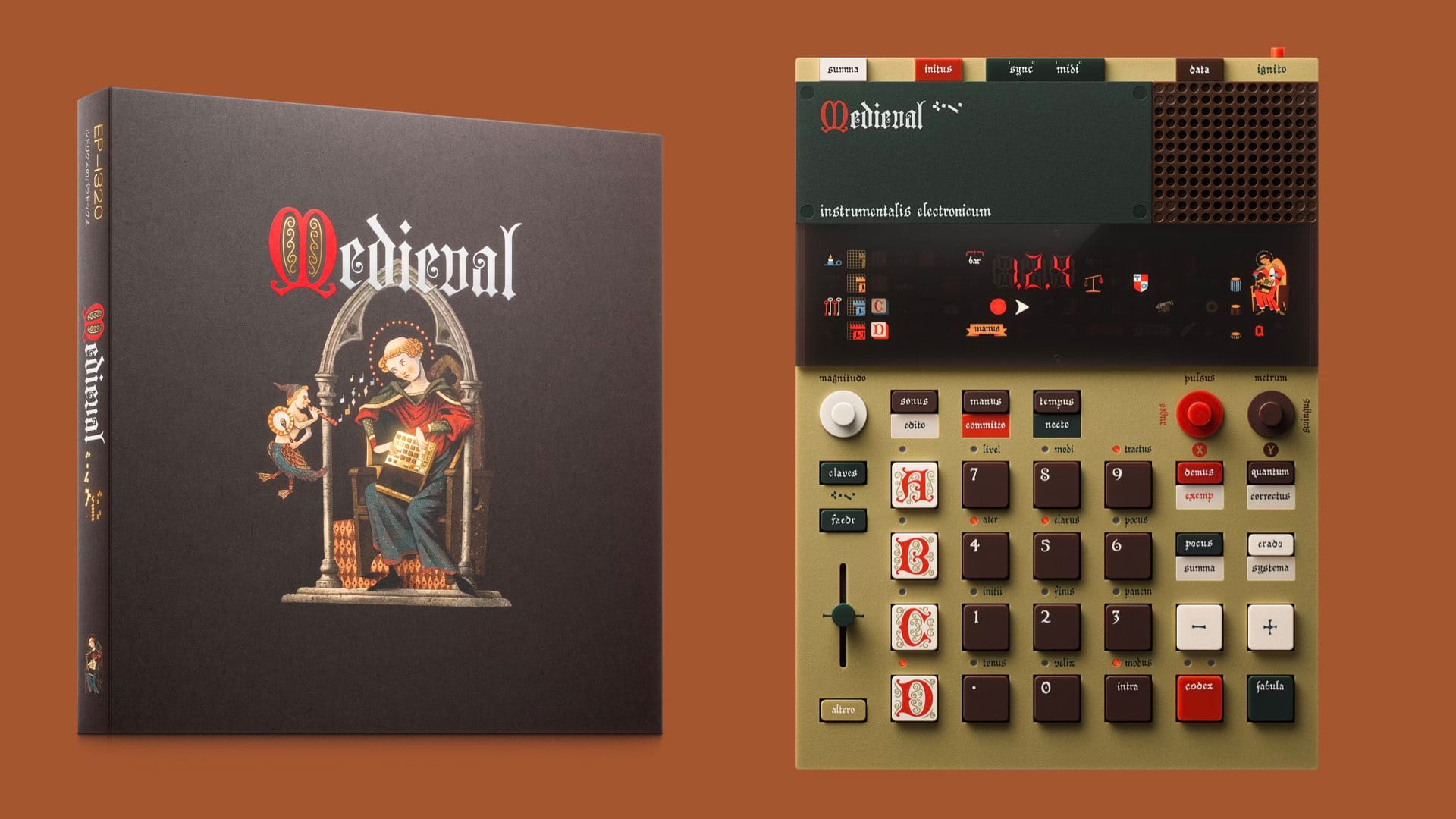
The brand Teenage Engineering has explored what it means to produce Medieval music with modern technology. Its synthesiser EP-1320 Medieval is, apparently, ‘the world’s first Medieval electronic instrument’ and an ‘instrumentalis electronicum’, featuring a library of medieval sounds from hurdy gurdys to Gregorian chants. I love how much the art direction commits to the bit, encompassing the marginalia style illustrations of medieval figures playing with EP-1320, live action videos depicting its ritualistic treatment and Gothic style fonts on the synthesiser itself. Accompanying merchandise, including t-shirts, keychains and quilted bags, similarly aims to expand the brand world, bringing these esoteric references IRL.
Another artefact of Medieval-inspired media that I am obsessing over is the ‘Every Podcast in the 1200s’ series of sketches by Boys Gone Wild. The original video went viral, with 3.8m views on TikTok, and there are now five parts to the series. The ‘boys’ satirise the male podcast genre, repurposing tropes from casual misogyny to performative vulnerability with archaic references, with lines like ‘if she don’t weave, brod’s gotta leave’, and ‘It’s 1242, we need to start changing narratives around gout’. As with the bardcore genre, the series derives its humour from the contrast to contemporary culture, in its reworking of our favourite media formats for the Middle Ages.
In the food and drink space, Medieval eating habits are also gaining interest.
Protein AGENCY provides insight, foresight and strategy for global brands that's rooted in culture and the collective knowledge of SEED CLUB - our decentralised research community of 500+ global experts.