Our Spring BRAND BRIEFING explores the rise of friction as culture’s defining force – and why the smartest brands aren’t smoothing things out, but strategically slowing things down.
Every six months we distil our most pertinent recent SEEDS into the cultural shifts that actually matter – one force kept rising to the surface: friction. Not as a footnote. Not as a vibe. But as the defining tension in culture right now.
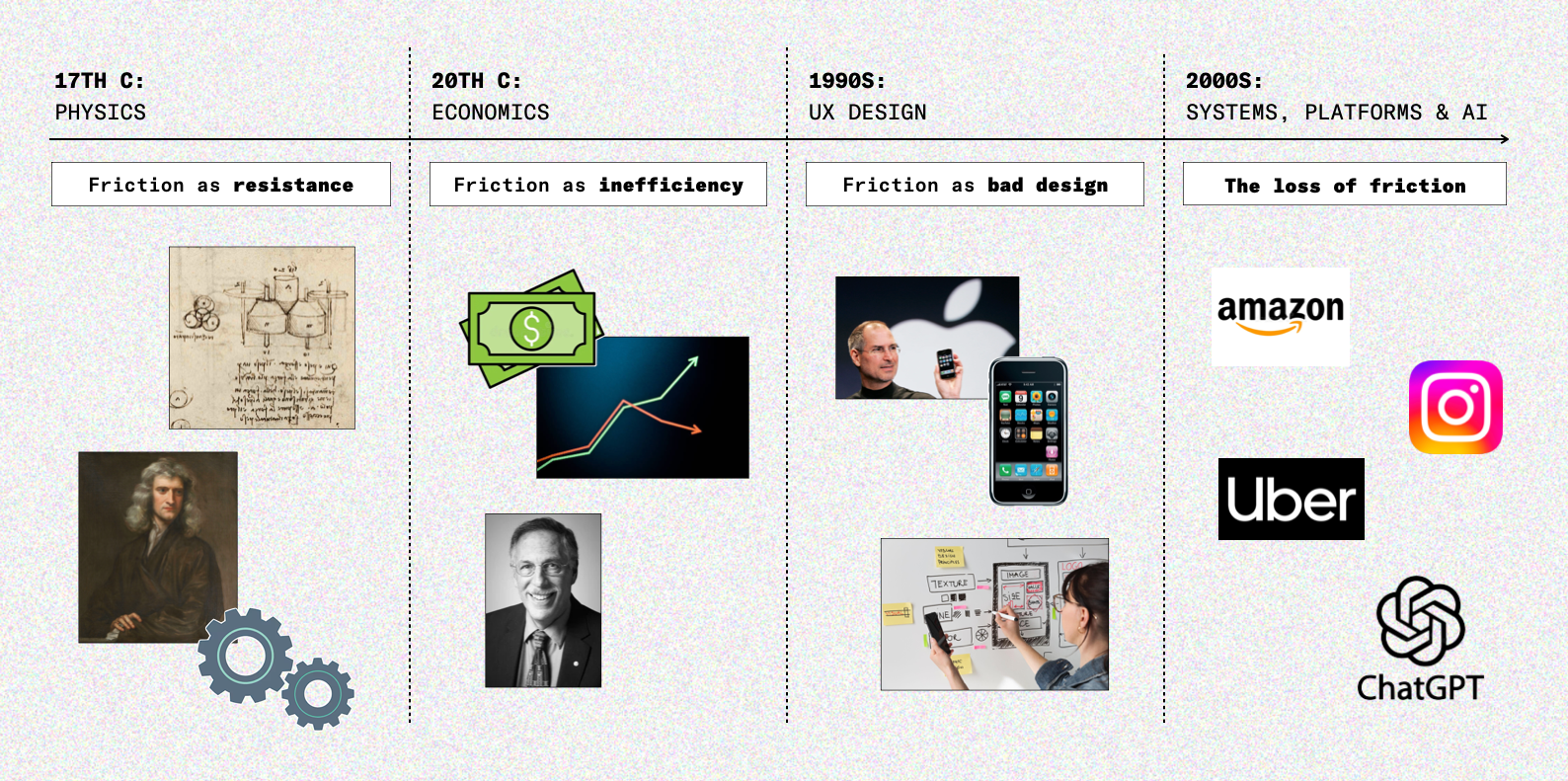
For centuries, friction was framed as a problem – something that slowed systems down, created inefficiency, introduced conflict. In brand terms: something to eliminate.
Now the opposite is happening. In a world optimised for speed, ease and infinite scroll, friction is becoming valuable again – not as obstruction, but as encounter. The moment where attention deepens. Where meaning is made. We’re watching a cultural pivot: away from passive consumption, toward active engagement. From smooth to textured. From instant to intentional.
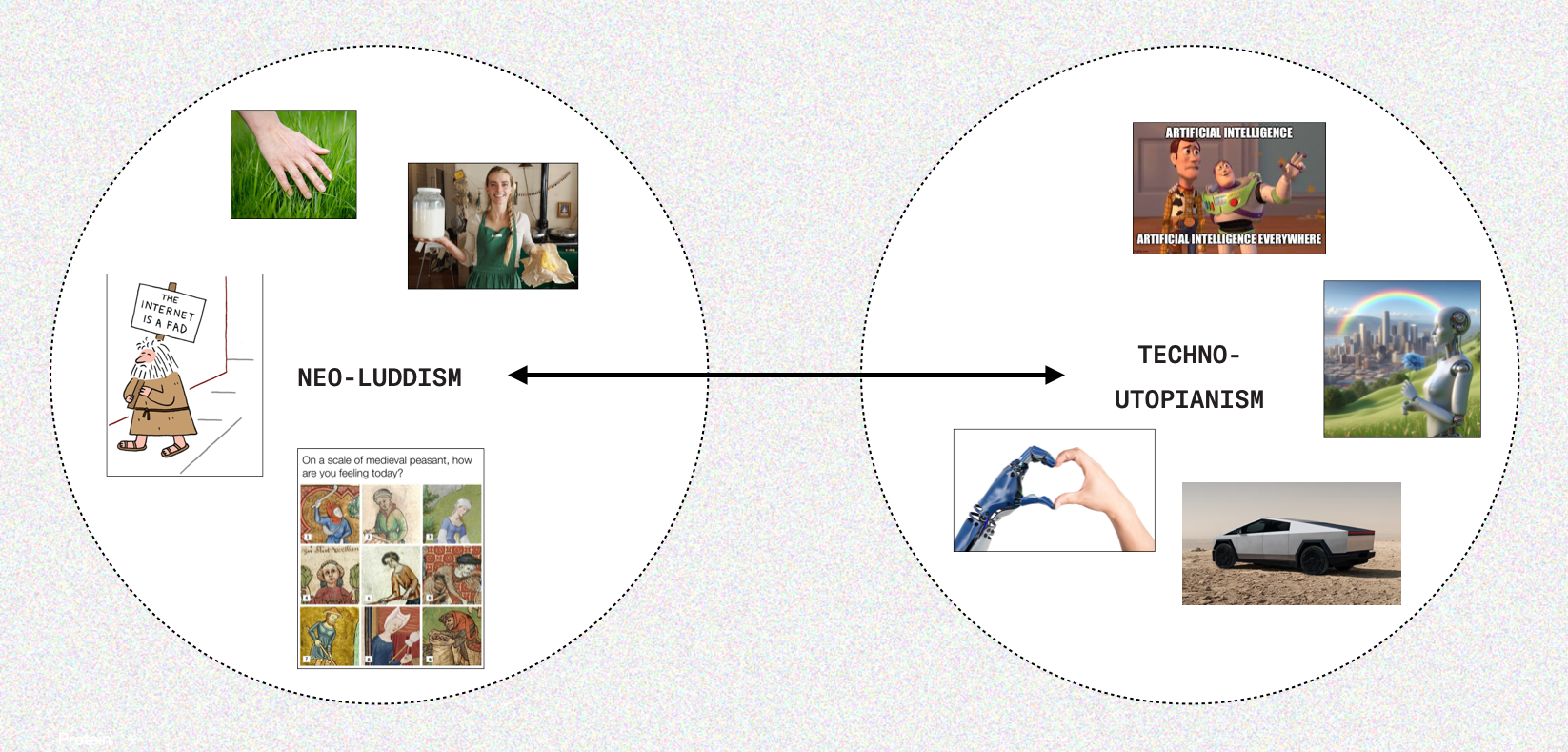
But friction isn’t about rejecting technology or becoming neo-Luddite. It’s about reintroducing just enough resistance into systems that have become too frictionless to care about.
So what does that mean for brands?
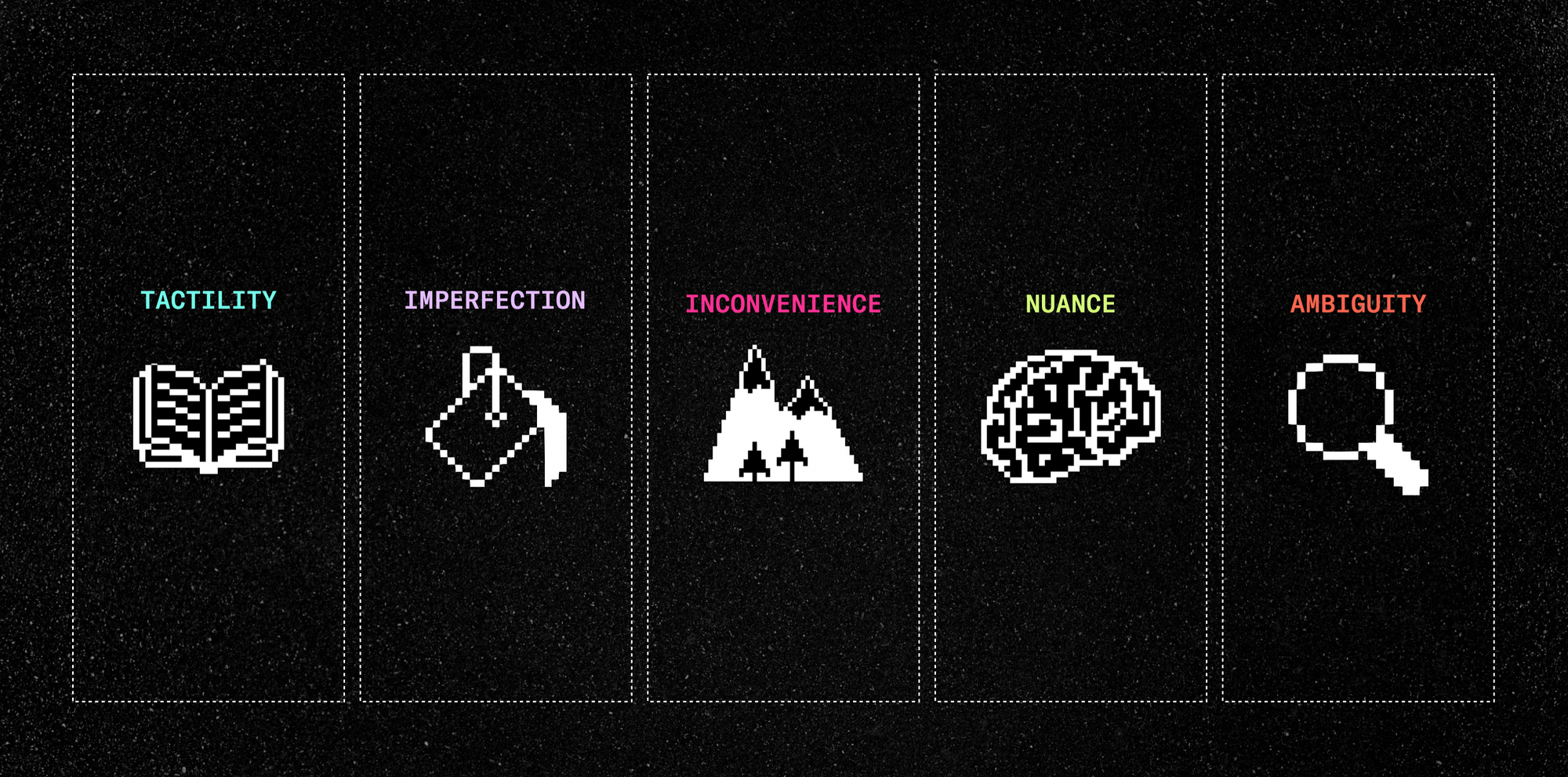
It means friction isn’t a bug. It’s a strategy. We’ve defined five ways brands can actively design for it, through tactility, imperfection, inconvenience, nuance and ambiguity. These aren’t just creative choices. They’re leversfora way to systemise friction.
Our Friction Formula
This sits at the core of the briefing and offers a simple way for brands to think about how friction actually works:
Friction = (Brand Gravity + Resistance) x Heat
Friction is the positive tension created when a brand resists total ease – forcing people to pause, search, wait or think.
Brand Gravity is what pulls people in – your world, your point of view, your cultural magnetism.
Resistance is what slows them down – the intentional barriers you introduce through tactility, imperfection, inconvenience, nuance or ambiguity.
And Heat? That’s the multiplier. The cultural energy that turns resistance from frustrating into irresistible.
If you’d like us to present this BRIEFING to your team:
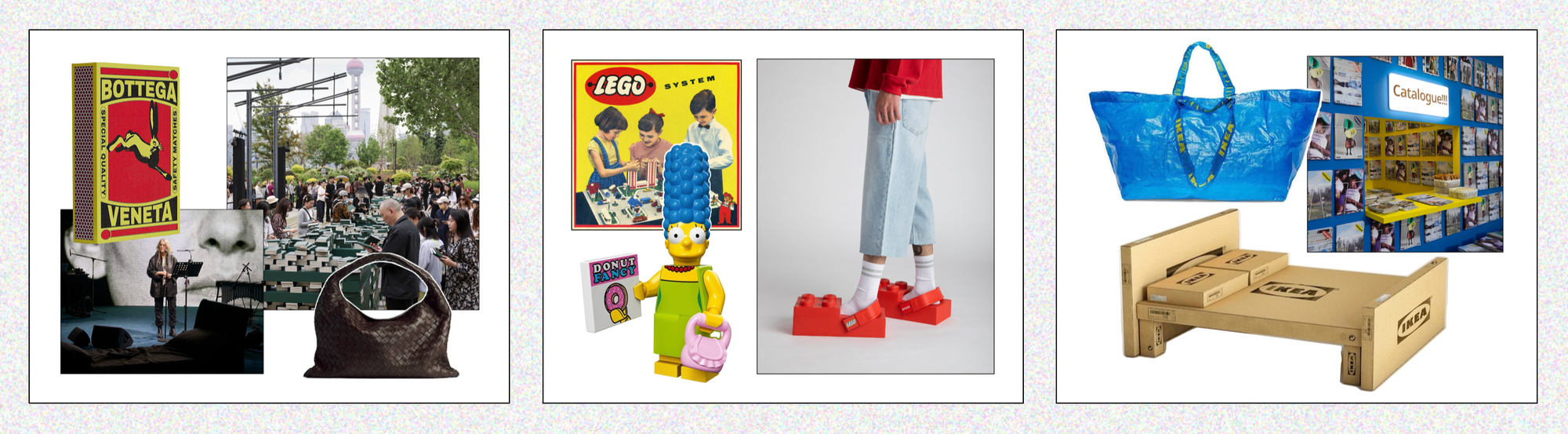
We apply the equation to brands already getting it right – from the coded minimalism of Bottega Veneta to the playful constraint of LEGO, to the controlled chaos of IKEA. Different categories. Same principle: the brands winning right now aren’t removing friction. They’re designing it.
This BRAND BRIEFING goes deep into the signals, strategies and case studies shaping this shift – and what it means for how your brand shows up next. Because this isn’t about trendspotting. It’s about understanding the tension your brand needs to hold to stay relevant.
To watch the recording of this BRAND BRIEFING you’ll need to be a MEMBER.