Beyond the virality lies a legacy of defiant creativity, each object a quiet testament to resilience and meaning.
One of my earliest childhood memories is drinking my mum’s Milk and Kool-Aid mix when strawberry milk was out of our budget. It tasted rancid. But beyond that lactic betrayal, something else lingered in the taste: improvisation as survival.
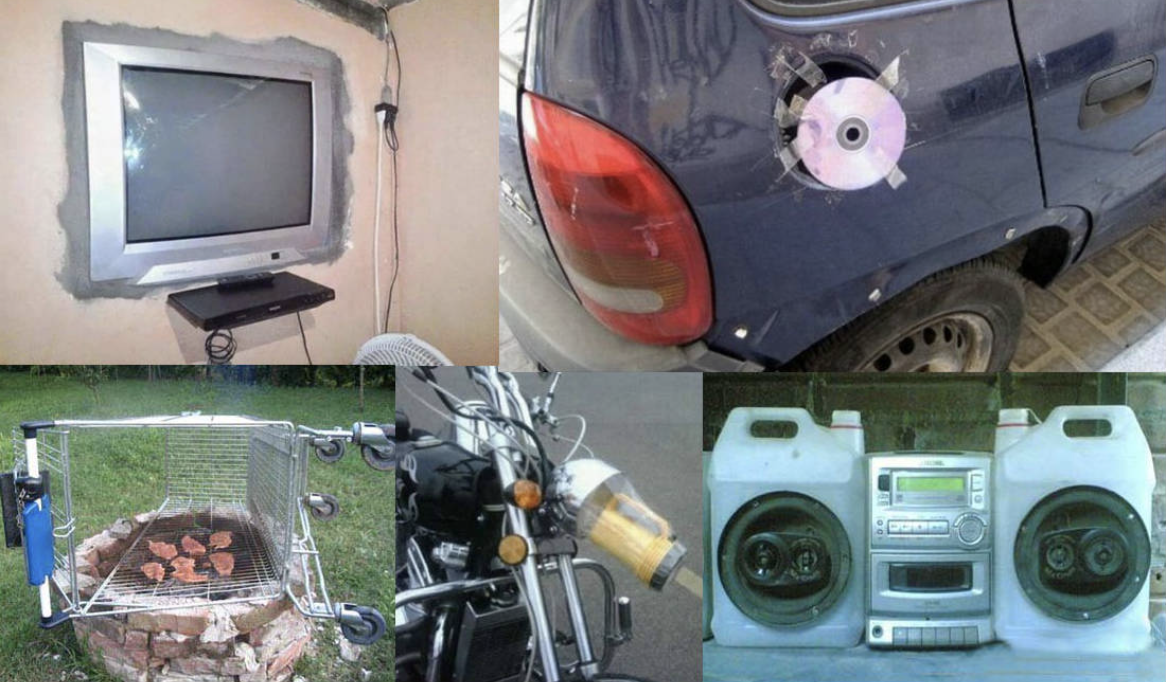
Growing up, I also remember neighbours swapping hacks to make something out of nothing – like stretching meals with potatoes and soggy old bread – bathed in the flickering light of a TV showing a deformed love scene, fixed with a dry slap on top and a few careful tweaks to a bent coat hanger antenna. Signals of hope, barely caught. Life around us was a chimera of things made from other things. A hotchpotch lab of survival.
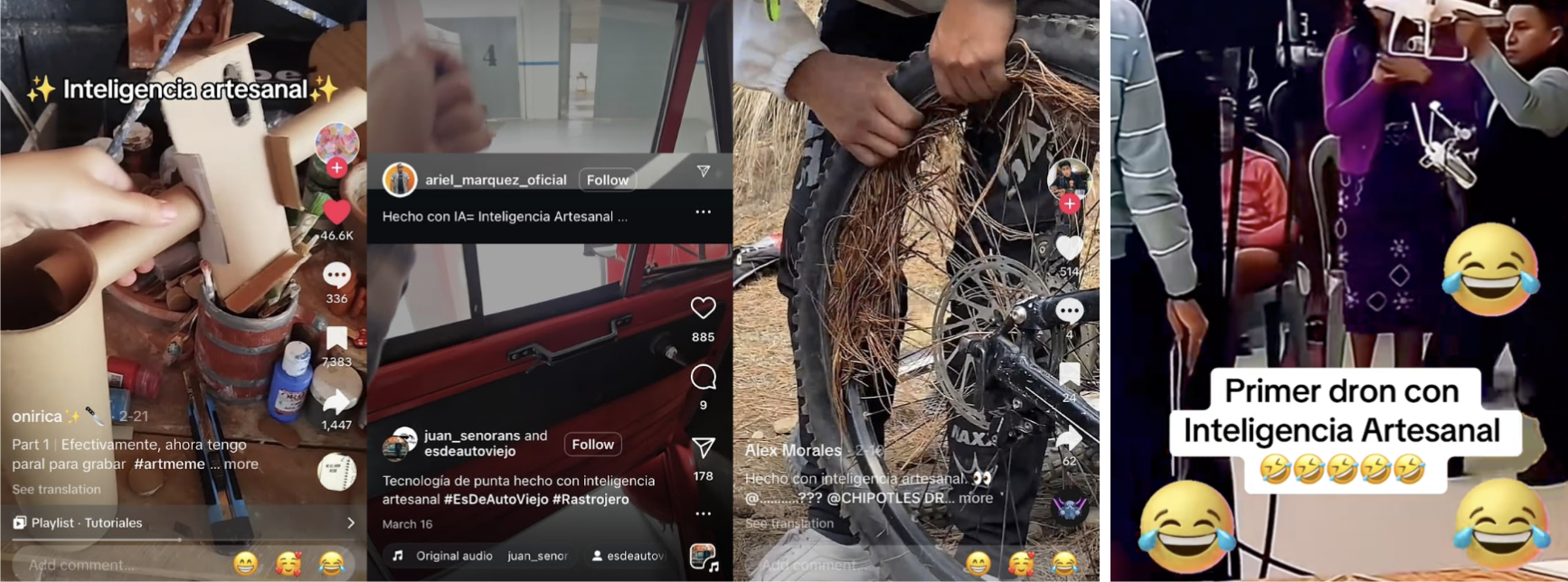
Years later, I see those same instincts reborn and rebranded online under the name Inteligencia Artesanal – a tongue-in-cheek response to the sterile promises of AI. Not an outright rejection of technology, but a reassertion of the irreplaceable wit of human invention in moments of scarcity. Visual gestures born from necessity.
This term, popularised through meme culture across Latin America, celebrates technological ingenuity powered by zip ties, tape and sheer willpower. Handmade inventions unafraid of the spotlight – or of failure – in a world obsessed with certainty.
Their unnatural nature carved out a niche in online culture, thanks to a blend of raw ingenuity, unplanned irreverence and the emotional weight they carry for those who grew up with these often-exaggerated utensils. We assumed every household had such chimeras – until we realised they didn’t. A true low-middle-class IYKYK moment.
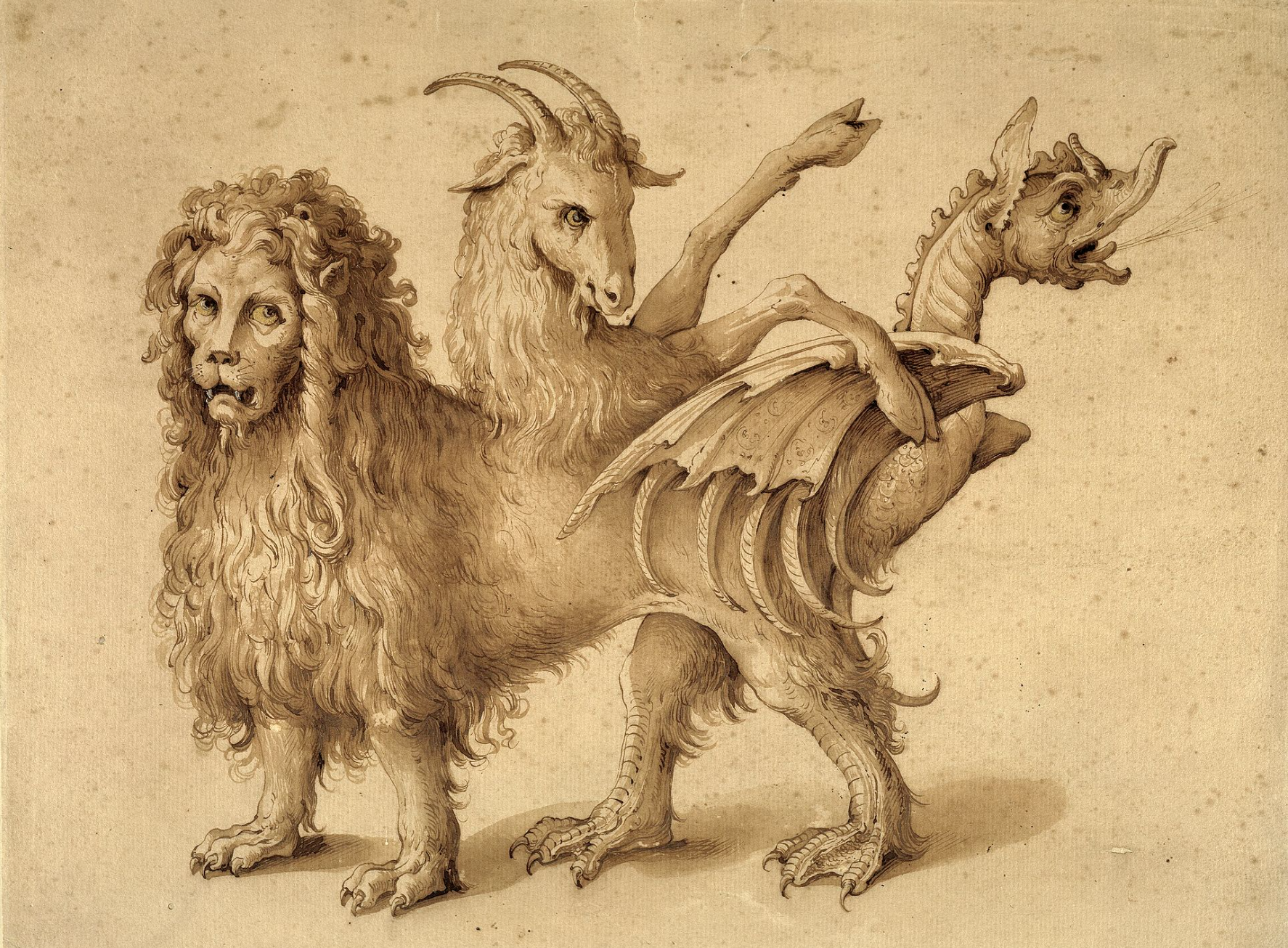
A 1590–1610 drawing of a chimera attributed to Jacopo Ligozzi.
In mythology, chimeras were feared for being unclassifiable. But maybe that was their power all along. In a world where systems favour predictability and status depends on how well you can hide the ugly – the trash cans, the cables, the odour – Inteligencia Artesanal offers designs that refuse to be domesticated. Hybrid monsters born of desperation, cleverness and an unyielding will to adapt. They reject invisibility.
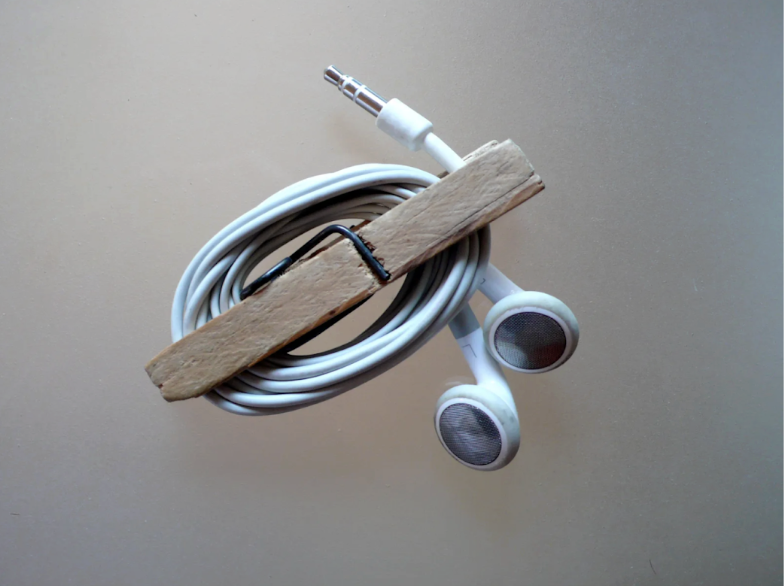
Cao Guimaraes, Gambiarra #59, 2007 (left) and meme.
Maybe part of us is starving for more mine in the mainstream. (Minestream?) What looks like failure might actually be the authorship of survival in disguise.
We live in an age of cheap certainties: fast objects, flawlessly mimicked AI aesthetics. Maybe that’s why these strange, patched-together creations go viral. They carry texture. A relatable grief. The quiet trace of the person who made them. Beneath their irreverence lies a silent, collective mourning. A way of saying: I didn’t have what I needed, but I made something anyway. And this is mine.
Protein AGENCY provides insight, foresight and strategy for global brands that's rooted in culture and the collective knowledge of SEED CLUB - our decentralised research community of 450+ global experts.