

Stillness Mode

A quiet tactic for brands looking to leave a mark, not just make a moment.

A man stands before a sinking ship. The ship will go down, the audience will watch, the metric will spike. Another entry in an endless algorithmic archive.
This is the logic of ultra-viral content: stunts, baroque challenges, a leap into lava. Each dare is designed to spike the dopamine drip yet leave no trace. The true danger was never the volcano, but the possibility that it might be lost in the scroll.
Culture is flattened by engines that reward repeatable extremes. A looped performance of risk reprocessed as engagement. Death, illegality, impossibility. All reduced to formats.

What marks these moments is not the danger itself but our indifference to it. After sinking the Titanic, we sink it again. Originality becomes repetition with higher stakes. The task is no longer survival in the flames, but survival in the feed. This catalogue of escalation mirrors the logic of content itself: the only impossible challenge now is to stop watching. Motion is now a form of compliance. We need an exit strategy.
Stillness Is The Move
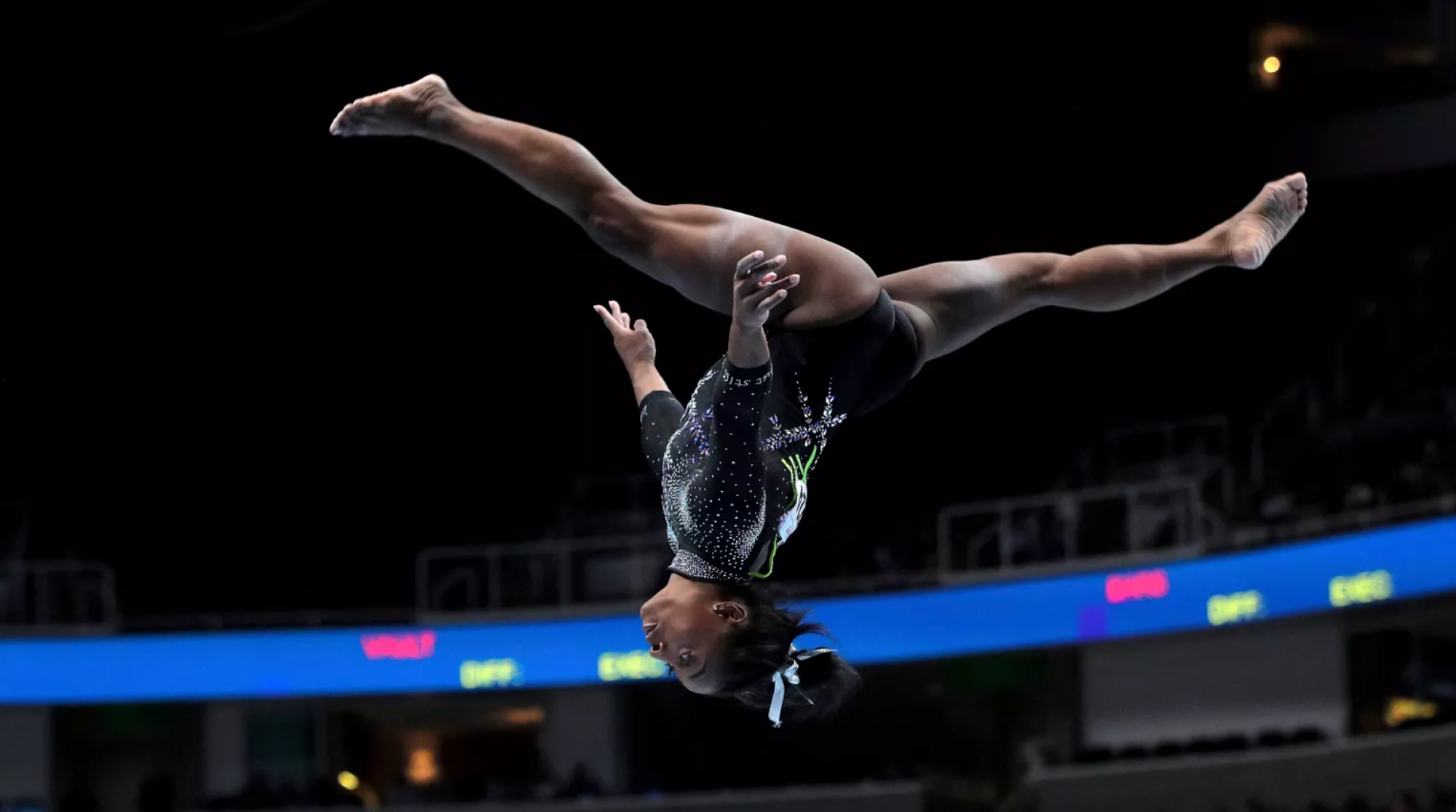
In stillness there is space. In stillness, we witness a freeze thaw in the cracked granite of temporal certainty. Ambiguity persists. In stillness we are offered possibilities; perspectives pool and coalesce within a single frame. Time is held. The photograph, the screenshot, the drawing on the back of a napkin, the film still, the scan, the slide carousel, the PDF, the tattoo, the buffering video, the mental image, the visible stitching in iPhone panorama images.
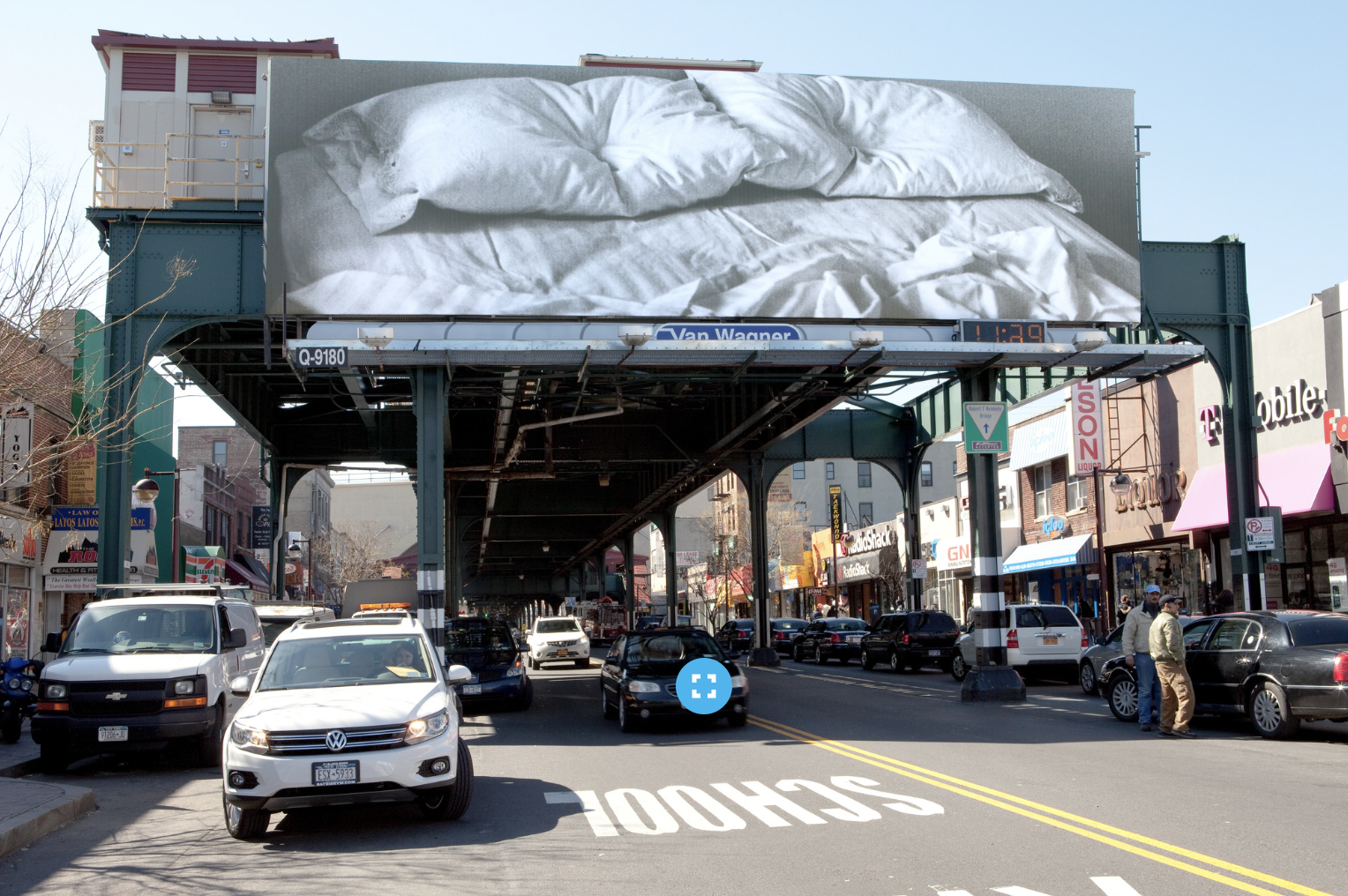
Even the steroid pumped still image, an outdoor billboard inflated to bursting, holds time. Stillness presents an immovable, irreducible object amidst the turbulent white water torrent of algorithmically augmented content spew. To choose the still is to inhabit a counter temporality. To choose Stillness Mode is to dance to the beat of a drum you hold in your own hand.
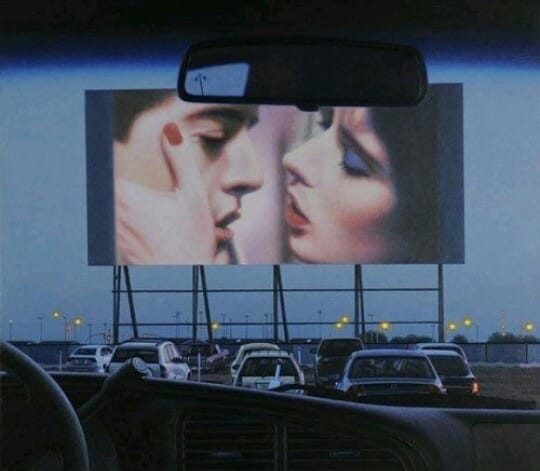
Video keeps us chained to the dopamine drip. Top five tips. Quick hacks. Jump cuts. Shock edits. Reveal up front, then reveal again. You know the ending so you stay tuned. Everything engineered to spike the metrics.
Video has become the default. If it does not move, it does not exist. If it does not grab your attention by the peripheral retina, it does not work. The logic of content rewards movement, measured by speed, reaction, escalation, interaction. Always in motion, always producing in a media landscape that degrades and devours itself in real time.
Stillness does not perform in that metric system. It does not resolve. The still image is all middle. It insists on interpretation. It withholds. The withholding is radical. The lack of closure is a refusal. Stillness clogs the frictionless glide of content. It is a protest against acceleration. Stillness bends time. It syncs to an unpredictable pulse, a rhythm just out of step with the algorithmic march. It is not really a glitch in the matrix, it is a dance. Not one that builds and drops, ardent and predictable, but a dance with presence, a waltz instead of an EDM countdown crescendo.
It murmurs. It asks you to stay a while and see what happens. It sees those starlings move in ways where we do not know what is coming or what will happen next. The last thing we need is more explanation. We need signals, symbols and space to interpret.
Stillness Mode gives us that. A counter temporality, a time signature that holds. Circles, repeats, rests. Something outside the urgent linear. Something more “felt”. This tactic is a shift in frequency. A quieter way of being heard and hearing, seeing and being seen. Waiting for meaning to arrive, to pool. Go with it until it means something.
Drift Logic
In William Gibson’s Pattern Recognition, we encounter The Footage. Pivotal to the central character’s story, The Footage is a mesmerising series of film clips released anonymously online. With no authorship assigned, no context given, and no clear or discernible narrative, this mysterious media phenomenon captivates a global audience and becomes both a sensation and an obsession. Audiences gather on forums to speculate, interpret and share theories, despite the fact that these visual artefacts resist conventional reading. Within the pages of Pattern Recognition, and in the lives of Gibson’s characters, meaning is withheld. Yet The Footage becomes deeply meaningful to those who encounter it.
This is memetic drift, the slow transformation of cultural artefacts as they circulate, accrue resonance and mutate across time, context and audience.
The Footage does not explain itself, yet it lodges in the subconscious through its refusal to be legible. Its power lies not in its message or digestible narrative, but precisely in the fact that it has none. It is a mystery and invites participation in the question of its existence. This is the ethos of symbol seeding and the logic of resistance in Stillness Mode.
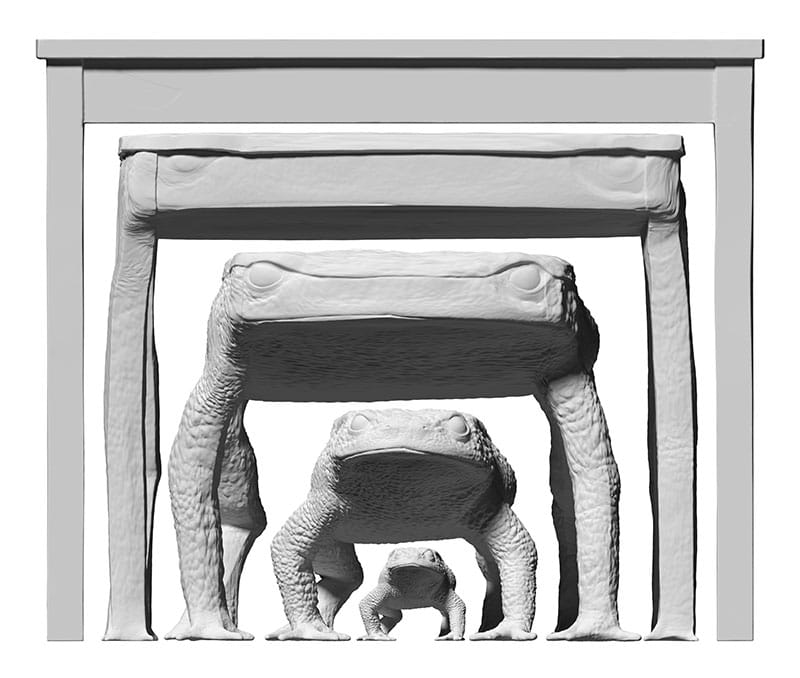
How do you plant an image that still speaks when language is dust?
- No story can survive one hundred thousand years, but a symbol might.
- Unlike stories, symbols do not demand a linear arc.
- They present themselves as complete, as wholes rather than fragments.
- A symbol offers nothing but itself.
- No backstory, no explanation. In doing so it opens a portal.
- The modes of its activation are projection, contemplation, co authorship.
- A symbol waits.
- It meets you with clarity and the invitation to feel, to intuit, to remember.
- You might see it etched into a wall, painted on a billboard, tattooed on skin or printed onto a shoebox in your childhood home.
- You might not understand it, but you recognise it.
- You return to it.
- It refuses the logic of content.
- It travels beneath the radar of the feed.
Memetic drift is not viral. Its form is not an explosion, it is a seeping low lying mist floating out of a drain beneath your feet. A symbol begins in one form, but as it circulates it alters subtly, misinterpreted, reframed, reused. Its power lies in these shifts. A protest sign repurposed for a different cause. A screenshot altered and passed on. A glyph transposed from an artist’s work now appearing on a stranger’s tattoo. Meaning accrues in layers, through contact, through change. The symbol drifts through people and platforms, absorbing what it needs and shedding what it does not. It becomes emotionally sticky.
The project No Finish Line, designed by Zak Group for Nike’s 50th anniversary, frames the brand not through linear storytelling but through a collage logic of fragments, found images, speculative texts, and visual murmuration. Rather than dictating a singular narrative, the book seeds multiple possible futures. The layouts feel like a cloud of symbols released into circulation. Nike positions itself here as a brand of drift, one whose symbols endure not through explanation, but through repetition, adaptation, and presence across contexts. It’s an atmosphere.
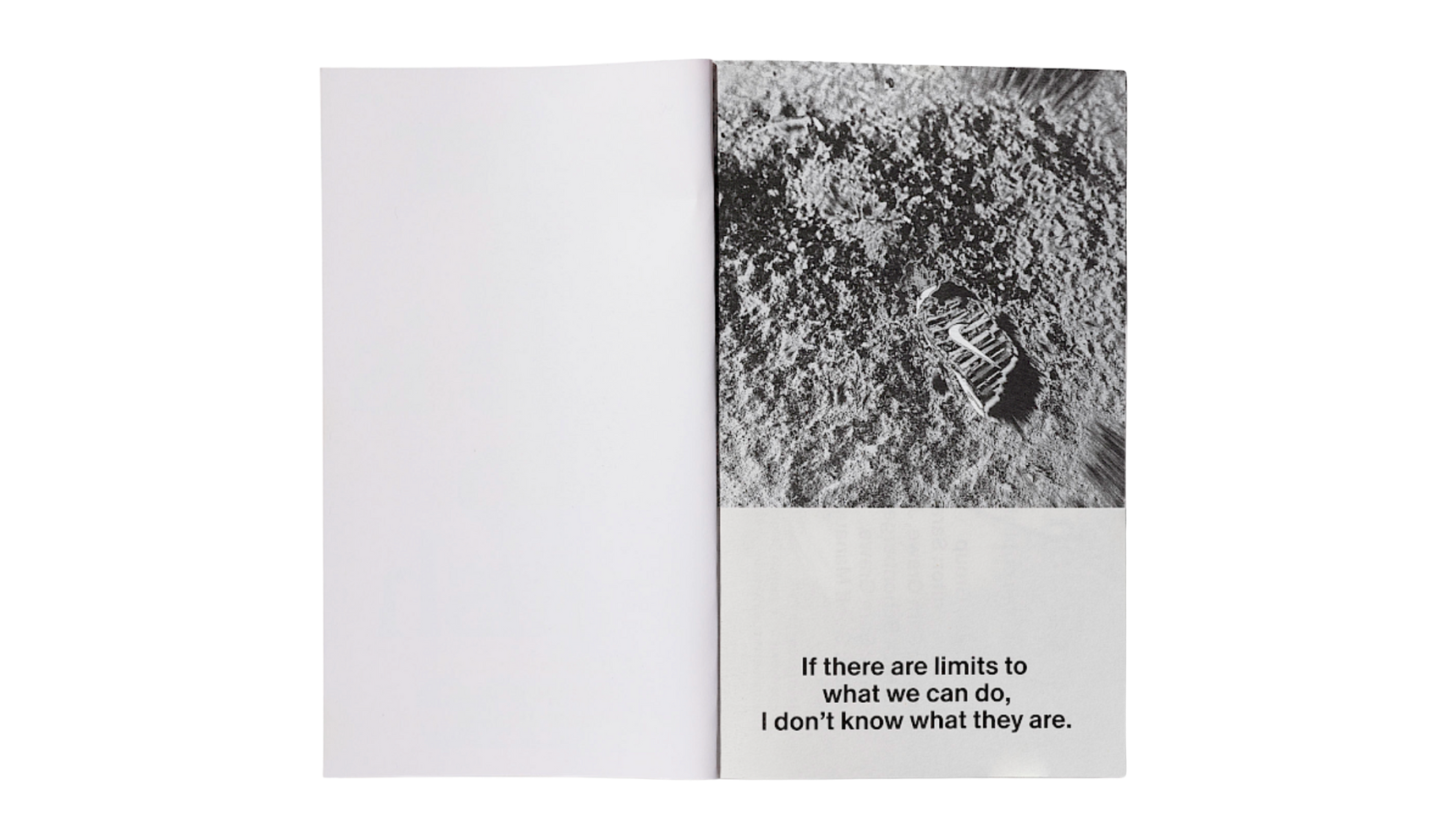
And yet here lies the paradox. Drift, by its nature, is uncontrolled. It resists capture, refuses authorship, disperses meaning across time and space. But No Finish Line is also corporate choreography, drift aestheticised and packaged. Nike does not allow its symbols to slip fully into the wild. Instead, it curates the conditions of drift and then claims authorship of the murmuration. The tension is telling, brands recognise the cultural charge of memetic drift, its aura, its stickiness, its refusal to be pinned down, but also seek to domesticate it, to design its randomness, to profit from its unknowability.
This tension is crucial for Stillness Mode. Drift logic, when co-opted, becomes branding, stillness turned into moodboard, opacity flattened into house style. But drift outside brand control, stickers that lead nowhere, fake screenshots of things that never happened, symbols that do not translate, retains its haunting power. No Finish Line shows how even the most powerful corporations sense that narrative clarity is exhausted. It also shows how the logics of refusal and stillness can be aestheticised, softened, and resold.
This is not about nostalgia or resistance through sentimentality. It is about planting visual seeds that might not flower for years. It is about designing with opacity and trusting in drift. It is about images that refuse to explain themselves. Stillness Mode as a strategy of survival. Symbol as a signal that does not require a receiver. Like The Footage, they do not want to be understood, only witnessed.
In a culture obsessed with clarity, reaction, and performance, this is the quietest form of rebellion. Stillness Mode is not an exit from the system. But perhaps it is a murmuration within it. It is the image that does not move but moves you. The image that lingers after all others have been scrolled past. This is the logic of Stillness Mode. This is how we seed meaning into the cracks.
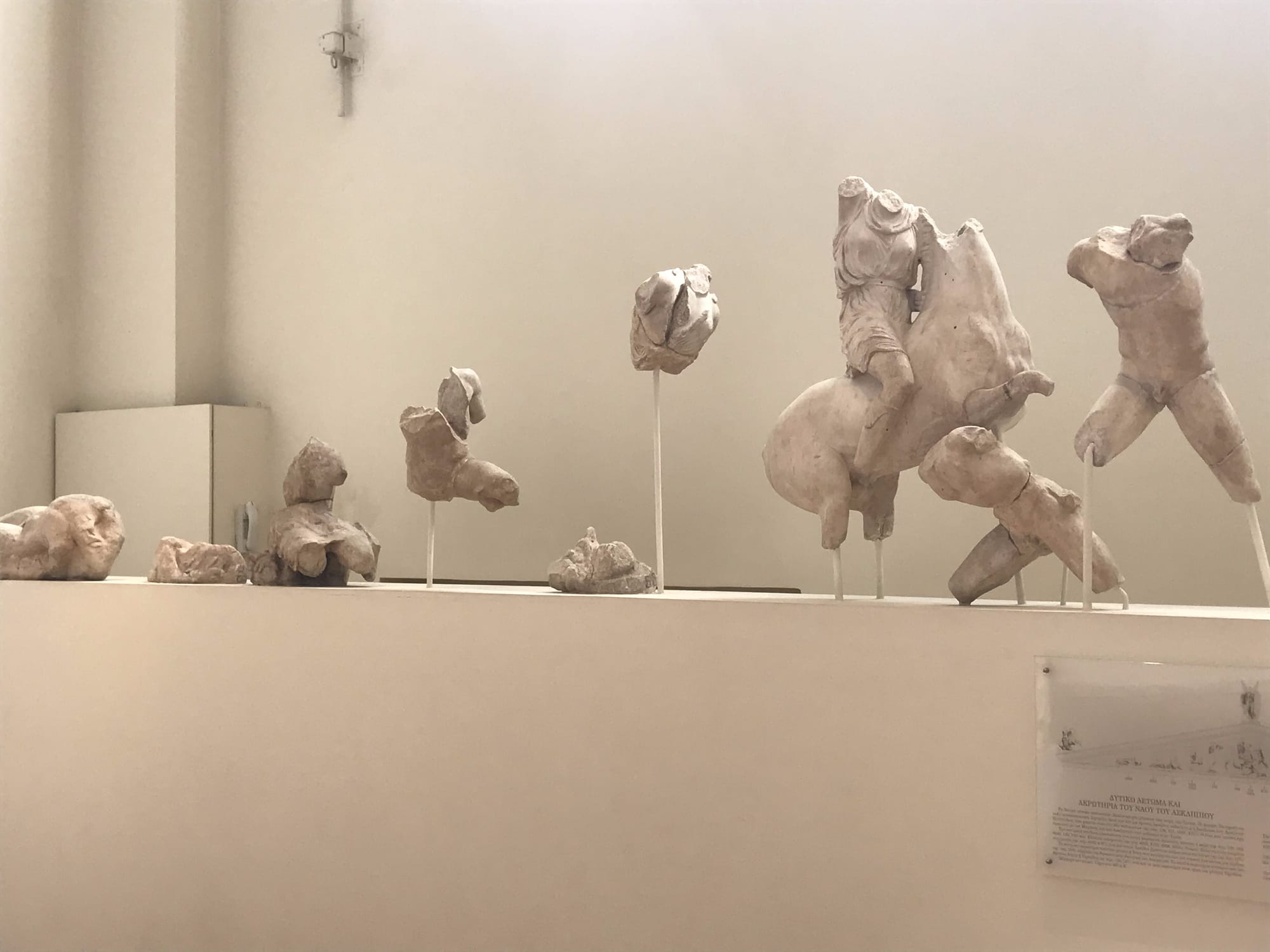
Stillness Mode Is A Condition
At its centre is a deliberate adjustment of frequency within the media environment. It does not claim to return us to a prelapsarian earlier state or remove us from the world we have shaped. Instead, it offers a way to reconsider how we meet the constant pressures of a media driven existence. It is a shift in attitude, a willingness to hold a different kind of space.
Stillness Mode can be understood as a visual analogue to the dark forest theory of the internet. In the open feed, attention is hunted, performance is compulsory and risk is flattened into something to trade for attention. The dark forest creates another kind of terrain, one where slowness has value, where opacity offers protection, and where privacy is partial but meaningful.
The still image effectively withdraws itself from circulation without actually disappearing. It remains present while staying outside the reach of automated measurement. It is a careful recalibration, a new negotiation of presence inside a landscape that rewards constant activity. Stillness Mode does not dismantle the system but creates a pocket within it, a shelter where symbols can seed, where drift can persist, and meaning can accrue slowly. This slowing allows another tempo to take shape, along with another way of looking and being looked at.
Stillness does not resolve the tensions of content culture. It offers an alternative logic, one that suspends attention rather than consuming it. To practise Stillness Mode is to allow incompletion. We do not need a visual culture that answers every question or scripts every interpretation. We can leave room for uncertainty, for serendipity, for misunderstanding and for forms of quiet that allow us to remain present in our own lives.
This essay has been extracted from “Stillness is a Move” by Source Material Studio, where Laura Vent is the editor and lead contributor. The full version is available now on Metalabel.
| SEED | #8371 |
|---|---|
| DATE | 04.12.25 |
| PLANTED BY | LAURA VENT |
