

Plastic Fantastic

Boob job, firkins and dupes: why culture is embracing the fake.

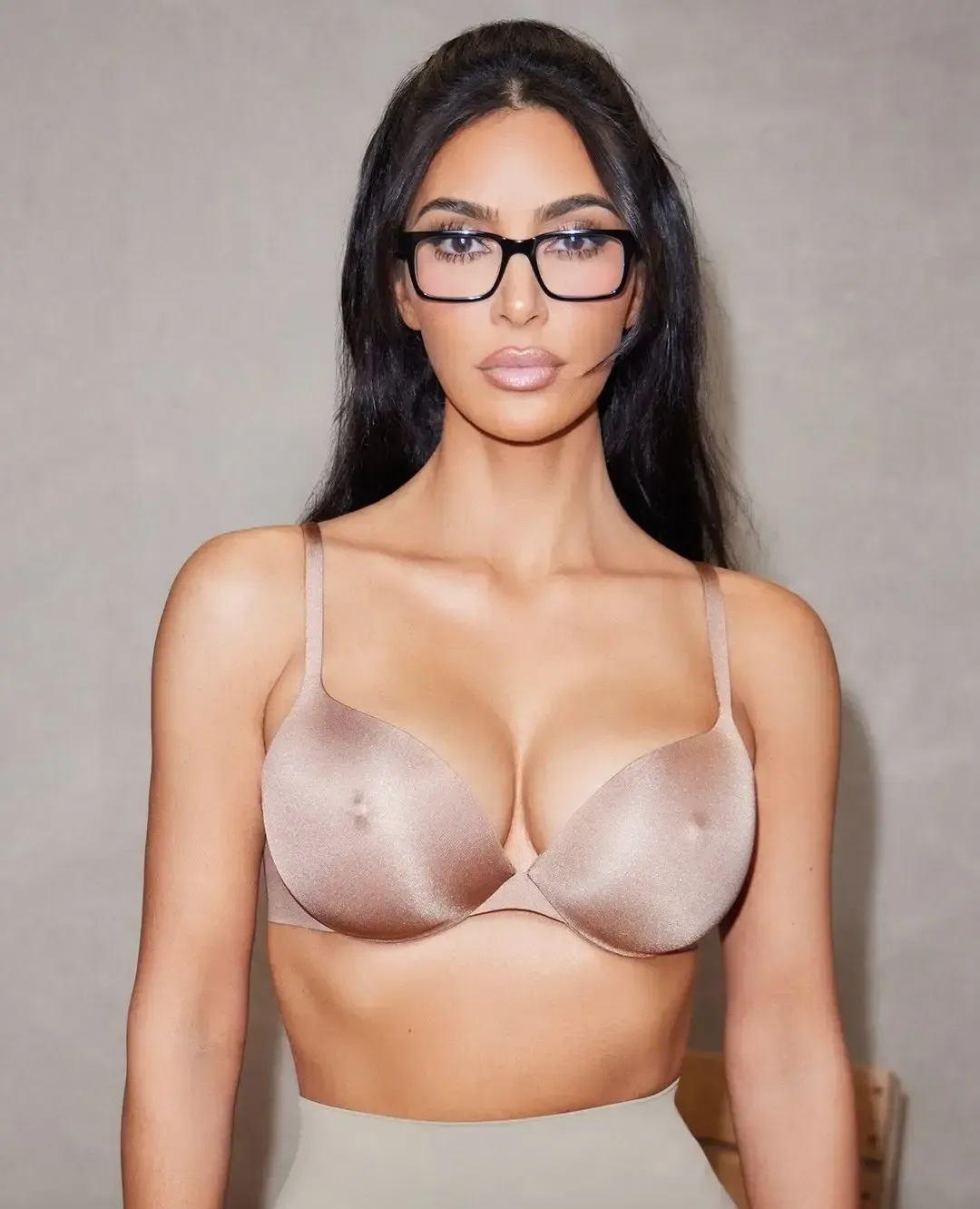
Last year, Kylie Jenner shared the exact details of her boob job, down to the cubic centimetre. “445 cc, moderate profile, half under the muscle!!! Silicone!!! Garth Fisher!!! Hope this helps lol,” she commented under a TikTok video. That same month, The Guardian published an article explaining “why gravity-defying boobs are back.” Of course, they never went away, but Jess Cartner-Morley observes how this piqued interest in big boobs mirrors the political landscape, and links it to right-wing notions of fertility and femininity (think Republicans' obsession with Sydney Sweeney, her blonde hair and her ample assets). Moreover, she notes how “breasts have been a lightning rod for the battleground between what is real and what is fake.”
“Fake is no longer scandalous or transgressive,” Cartner-Morley continues. “The vocabulary of plastic surgery has been gentled and mainstreamed to become the more palatable cosmetic surgery.” Alongside this, the widespread use of GLP-1s is drastically shrinking people’s bodies, and so to maintain a waif figure yet buxom chest, breast augmentation becomes the only solution. Synthetic, inflated boobs are perhaps a New Right symbol, but coupled with the Ozempic economy and battle between artificial and real intelligence, fake tits also suggest a culture that no longer sees artifice as deception.
The Faker The Better
Just as the mainstream has become familiar with frequent, casual exposure to plastic surgery, so it has with constant imagery of Hermès Birkins: the highly expensive, highly coveted bag of bags. As reported by Amy Odell in her BackRow newsletter, some owners of Birkins feel embarrassed about carrying their bags. They cited three main reasons: the Birkin used to feel exclusive but now anyone with enough dosh can purchase one in an instant via resellers (albeit for a hiked-up price); social media has overexposed the Birkin; the notoriously difficult game Hermès forces its customers to play is not something Hermès customers want to be seen playing.
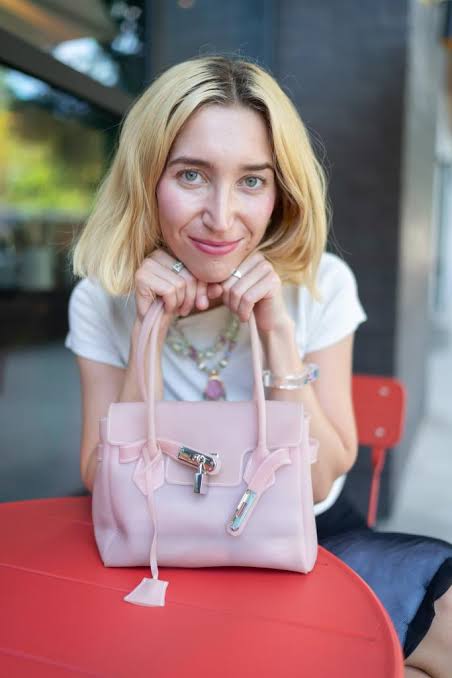
Around the same time Birkin owners were carefully placing their luxury leather goods back in their dust bags, an unashamedly kitsch rip-off of the Birkin rose to prominence. The affectionately named jelly firkin adopts the same boxy silhouette of the original, but instead of being made of alligator, ostrich, calfskin or lizard, it’s constructed from flexible, soft plastics such as PVC or silicone. The jelly firkin follows the viral popularity of the Wirkin (Walmart Birkin) last year, an item that replicated the elite symbol of status and sold it for $78.
In one video on TikTok, TV writer and cultural commentator Remy Solomon stated, “If you’re buying a full price Birkin bag, I’m sorry but you are gullible.” And speaking to Faran Krentcil for the New York Post, she said, “Carrying a status bag right now feels like a humiliation ritual. Like you want me to pay money to haul around your logo? That’s domination.”
It feels ridiculous to say Birkins have become ubiquitous or generic. It also feels ridiculous to say that carrying one is a humiliation ritual. But what these opinions point to is society’s changing relationship with signs and symbols. Traditional markers of wealth or cultural credentials – such as a Birkin – no longer command the same power. The plastic fantastic phenomenon of firkins resists complying with such legible signs of success and proudly flaunts the fake.
Simulacra & Simulation
“Superfakes are memetic, consumption-driven artefacts, shaped by the marketing apparatus, and diffused across networked, human and non-human users,” Günseli Yalcinkaya writes in her essay for POSTPOSTPOST Vol. 2. Citing the philosopher Benjamin Bratton citing AI researcher Herbert Simon, Yalcinkaya observes the paradox of highly skilled counterfeits being constructed from almost exactly the same materials as the real deal.
The superfake is a manifestation of Jean Baudrillard's theory that reality has been replaced by signs and symbols, as laid out in his 1981 book, Simulacra and Simulation. The distinction between real and imitation has collapsed, with Baudrillard identifying four successive stages that transform a sign into a simulacrum (something that looks like or represents something else):
- The sacramental order: A faithful copy of reality
- The order of maleficence: A distorted copy of reality
- The order of sorcery: A copy that pretends to be faithful
- Simulation: Pure simulacrum that bears no relationship to reality
Al Hassan Elwan proposes stage five simulacra: simulation without memory (naturally presented via an artificially created video narrated by a Donald Trump replica). “If stage four was simulation severed from the real,” Elwan says through the voice of the fake Trump, “then stage five is simulation severed from meaning.” Signs still spread and mutate, but only gesture to “lost reference”. In stage five simulacra, media is not simulating anything, it’s just simulating.
Dupes can also be considered a simulacrum. The original meaning of dupe was about deceiving someone, typically by making them do something they didn’t intend to. But dupe now denotes something more positive than negative, typically used when referencing cheaper products that mimic a more expensive alternative (Charlotte Tilbury dooop). In this way, rather than attempting to pass as what they’re simulating, dupes proudly assert what they're replicating, and in some cases, present as a better choice than the original; the idea Remy Solomon shared when discussing her love of firkins over Birkins.
Dupe culture is now a booming business. A study by Morning Consult found almost one-third of US adults said they have intentionally bought a dupe of a premium or luxury product. For Gen Z that figure stands at about 50%, and 44% for Millennials. Perfume dupes are especially lucrative. Dossier, for example, sells “designer-inspired impressions” and is a brand in which leading private equity firm American Pacific Group now owns a majority stake. In 2025 Dossier generated $60 million in US sales, according to research from YipitData.
In the Financial Times article, ‘The rise of the dupes,’ Peggy Chaudhry, a professor at Villanova School of Business in Pennsylvania, tells Mark Ellwood, “Dupe is not a legal term in any way,” and “Most dupes avoid being pushed into the illegal counterfeit category by eliminating the marques, so dupes that do not copy labels or logos are often legal, which makes shoppers who would never buy a counterfeit bag on a street corner comfortable buying online dupes.” Instead of responding with lawsuits, many brands are embracing imitations.
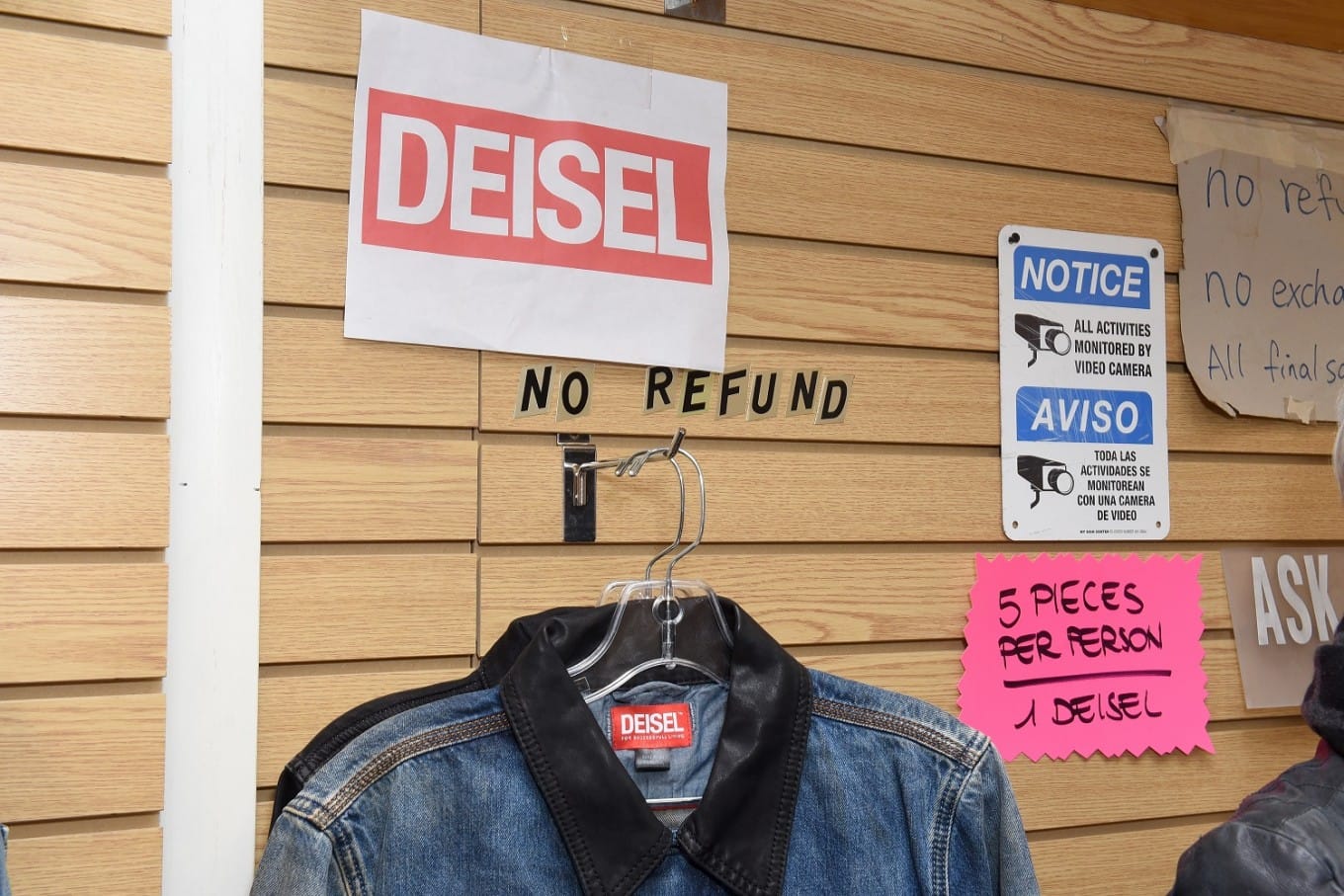
Diesel was one of the earliest brands to riff on dupe culture. Back in 2018, they opened a real, albeit intentionally fake looking, store on Canal Street, selling 1,00 limited editions items from ‘Deisel’. Once the brand admitted to the stunt, the store was flooded with hypebeasts and the items quickly showed up online, listed for masses more than their retail price.
In 2025, Estée Lauder’s “Beauty Sleep Dupe” campaign starring Kristen Bell suggested its Advanced Night Repair serum was in fact a dupe itself, for sleep; a subversion that presents the dupe as luxury.
Post-Authenticity, Pro-Mythology
In his Protein LECTURE, ‘What can artists learn from pro-wrestling?’, writer, artist and DJ Elijah observed how culture has become fixated with authenticity. But this realness in fact bears more resemblance to stage three simulacra: a copy that pretends to be faithful. “The authenticity in entertainment is actually more fake than wrestling,” Elijah says. The enduring allure of pro-wrestling is largely centred around its immunity to the fight between what’s faked and what’s real. It doesn’t matter. As such, there’s ample opportunity for spectacle and storytelling.
Pro-wrestling's openness about its fakery mirrors Baudrillard's argument that simulation is "more real than real." He uses Disneyland to illustrate the point: this make-believe land is open about its fakery and as such, it conceals the fact that the world outside its walls is also a simulation. The art of kayfabe, works, shoots, worked shoots in wrestling (fictional stories and set-ups in which reality and fantasy blend into one another) maps onto Baudrillard's theory that signs and symbols are references to other simulations, as opposed to pure reality.
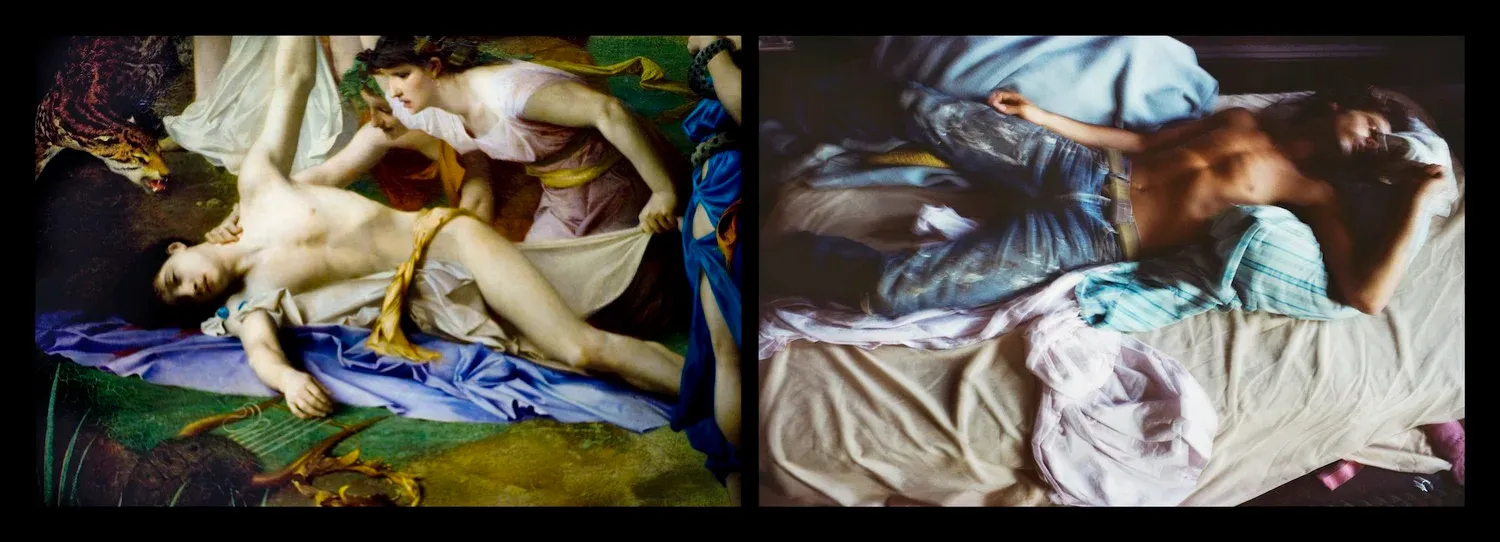
Fiction is often the closest we can get to reality, a concentrated version of real life. Made-up stories can reveal profound truths. Myths function in order to explain us to ourselves: potent tales of power, jealousy, love, generosity. Often relying on symbols to convey messages, lessons or explanations, fables and folklore act as a compass to navigate our earthly lives. As the Roman philosopher Sallustius wrote in his 4th-century CE treatise On the Gods and the Cosmos, “Myths are things that never happened but always are.”
| SEED | #8466 |
|---|---|
| DATE | 27.11.26 |
| PLANTED BY | PROTEIN |
