



Research used to live in the margins – a quiet, pre-campaign ritual conducted in nondescript offices, decks and Google tabs that nobody bragged about. Strategy was the scaffolding. Insight was backstage.
Now, not so much. The mid-2020s are seeing the rise of a new figure in the cultural economy: the researcher-strategist as main character. If the 2010s belonged to the influencer, the 2020s may belong to what fashion search engine Lyst has dubbed “vibe analysts aka info-influencers acting as digital spirit guides to the next big thing.”
The most culturally fluent strategists increasingly resemble creators – posting videos, sharing frameworks and building followings. Meanwhile, the most compelling creators are adopting the posture of researchers. The boundary is dissolving. Think Brad Troemel, Eugene Healey, etc.
SEED CLUB’s Alexi Gunner notes the rise of vibe analysts in his Substack article Research as a Form of Pattern Disruption, where he warns,
“despite this abundance of enthusiasm for cultural research, it often feels like it’s easier than ever to slip into the gravity well of banality. Cookie-cutter essays optimised for algorithmic engagement. Hot takes stripped of depth. Fleeting fads interpreted as extreme, paradigm-shifting hyperbole.”
In other words, the same traps that have long haunted content creation are alive and well – even in spaces devoted to insight. And as research becomes more performative and social, it’s becoming clear how often visibility outpaces depth.
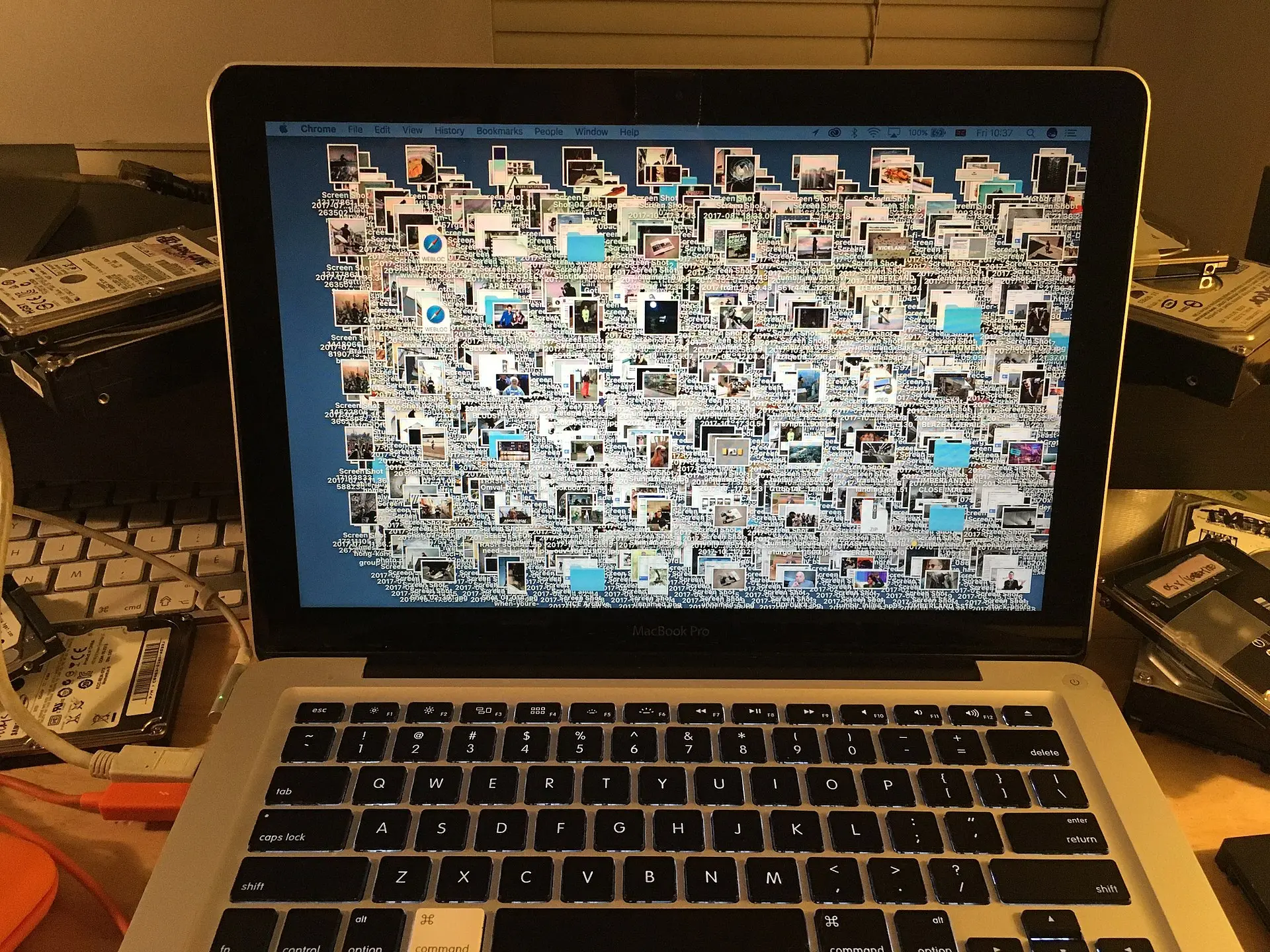
Spend five minutes in the right corners of the internet and you’ll notice something stranger still: research has become leisure. Deep dives aren’t homework – they’re hobbies. PDFs, TikTok scrolls and sixty-tab rabbit holes double as taste-building exercises. Cultural capital isn’t just what you know, but how weirdly you found it.
This shift collapses the old hierarchy between professional insight and amateur curiosity. The same behaviours that once defined elite strategists – pattern spotting, semiotic decoding, trend triangulation – are now native to digitally literate audiences. Everyone is a little bit of a researcher these days.
These researcher-creators package frameworks, annotate signals and interpret aesthetics in real time, making their process visible. Agencies can no longer rely on access alone; authority now comes from interpretation – and from the ability to explain why something matters, not just surface it quickly.
In Culture Isn’t Coded, Matt Klein reinforces the point. After manually sifting through more than 70 global trend reports each year, he is explicit about what machines miss:
“Pattern recognition here is a practice… immersion gives you something no AI can replicate.”
His process is deliberately hands-on – parsing, clustering and pressure-testing themes before layering in data. The takeaway is simple but uncomfortable: nuance cannot be automated. As Klein puts it, what we urgently need are “friction, patience, ambiguity, curiosity, openness… the prerequisites for a civil society.”
As we’ve found with our own SEED CLUB community, research-as-leisure encourages exactly those scarce qualities: attention, curiosity, patience. Manual research becomes a cultural practice, not just preparation for creative output. It also reveals how research is becoming social and identity-forming. People build taste reputations by connecting dots in interesting ways, turning insight itself into cultural capital.
The rise of the vibe analyst signals a deeper shift in who gets to narrate culture. These figures don’t just post outfits or hot takes. They map aesthetics, explain scenes and metabolise culture publicly. Their hybrid literacy spans Substack, TikTok and Discord; insight becomes content, and process becomes performance.
But visibility alone is now table stakes. The real differentiator is depth – and the discipline that produces it. The brief for future strategists is not simply to become more prolific content machines; after all, visibility without rigour is just another form of noise.
The successful future-facing researcher treats content as a byproduct of inquiry, not the end goal. They don’t just synthesise reports or clip together trend content; they participate in scenes, track micro-behaviours and sit with ambiguity longer than is comfortable. Slowness becomes a strategic advantage. In an always-on content economy, the willingness to dig, verify and contextualise is what separates signal from surface. Manual research – time-heavy, at times stubbornly offline, generally unsexy – is quietly premium again.
If the last decade asked strategists to be data translators, the next asks them to be cultural cartographers. Stop treating research as a prelude and treat it as the product. Publish thinking. Show workings. Build intellectual IP, not just campaign outputs or social reach. In an era of AI abundance and research-native audiences, the real flex isn’t having information. It’s having taste – and the ability to explain why it matters.
| SEED | #8386 |
|---|---|
| DATE | 17.02.26 |
| PLANTED BY | PROTEIN |
