If you missed our FORUM last week, here are the highlights and recording.
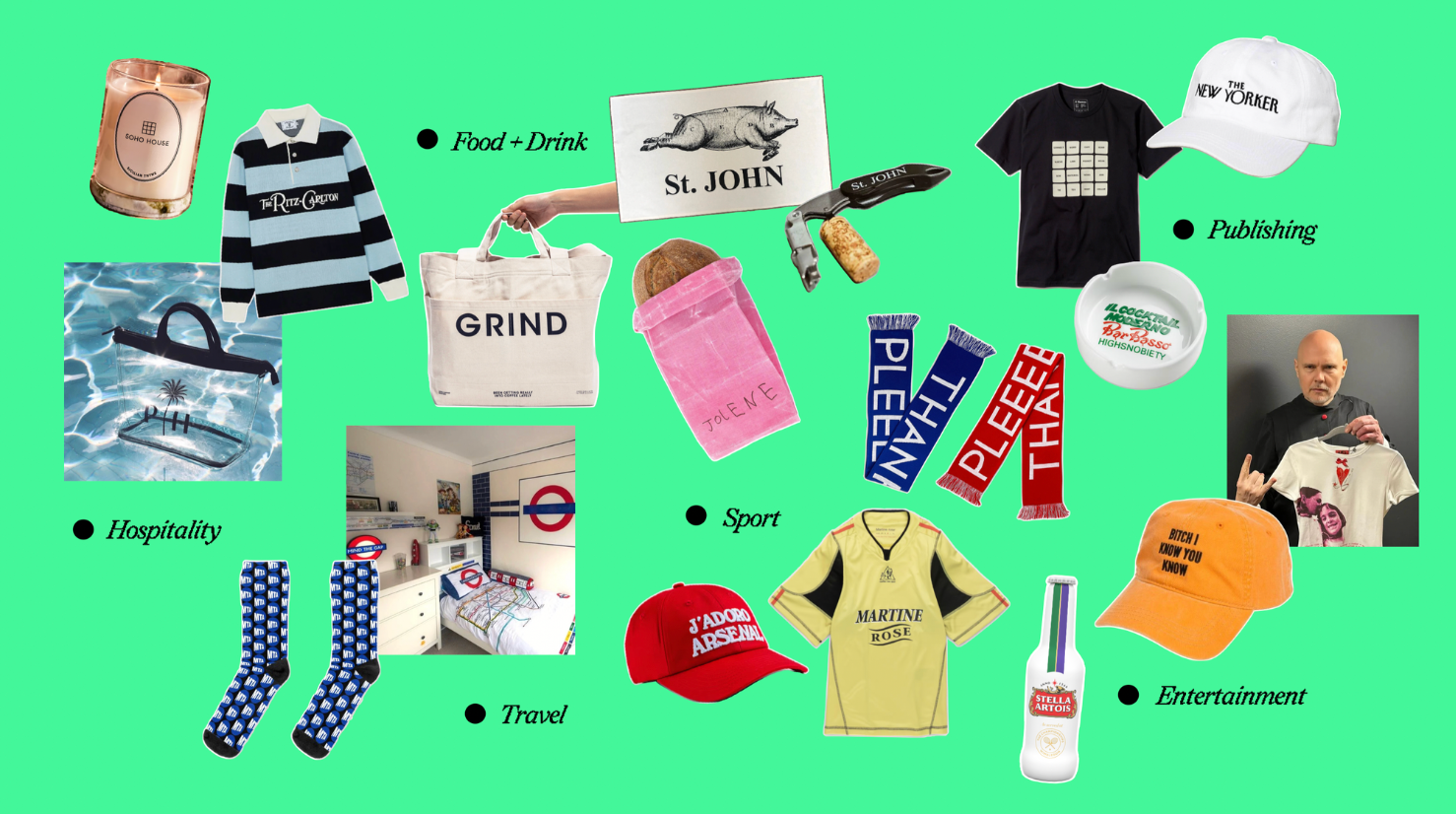
Merch used to be the cheap gig tee you slept in, the tote you didn’t need but bought anyway. Now it’s cultural currency. Brands realised identity is built through objects, not slogans, and suddenly merch became the loudest way to say who you are, what you love and where you belong.
The problem: everything’s a drop. Everything’s a collab. Meaning gets flattened into limited runs and engineered hype. Activism becomes a capsule collection. Nostalgia gets pre-packaged. Here are some of the things we asked our panel:
What counts as good merch today?
How can brands move through a culture where symbolism gets packaged and priced at relentless speed, without sliding into cynicism or pure cultural noise?
And have we reached peak merch, or are we entering a new era entirely?
P.S. You'll need a MEMBERSHIP for this link to work
Key Quotes
Isabella Burley: I personally hate the term merch – it feels throwaway, disposable and honestly a bit masculine – so at Climax we use the term “wearables,” even though, yes, it’s essentially merch. I waited a long time to make anything beyond a few collaboration tees with Heaven by Marc Jacobs because I wanted it to feel thoughtful and well-made. Another good example is our latex bag. Every bookstore has a canvas tote, and I’m sure Climax will eventually too, but I liked the audacity of using latex – they’re handmade in the UK, and latex is such a tricky, “problematic” material: difficult but fascinating. People are so intrigued by it. For us it’s about being thoughtful, pushing things a little, and keeping the same slightly confrontational spirit of Climax, while making sure that what we put out feels meaningful.
John Sunyer: When everything becomes merch – from football clubs pumping out 52 collections a year to wellness brands hawking totes – the meaning thins out. The thing that once felt personal becomes universal overnight. Today, identity economics is driving it all: in a world where everything looks the same, merch becomes proof-of-taste, proof-of-experience, proof-you-were-there. It’s nostalgia on demand. A wearable memory.
Jack Stanley: Merch is such a broad category. On one end you have totally disposable things – pin badges, stickers – and on the other, pieces where you can see the thought and craft that go into them. Those are completely different worlds under the same word. There’s a subcultural idea about “thematic in-crowds” – people from the same world who can decode the references immediately. They know what you’re signalling by wearing a certain piece. Others, outside that world, won’t catch the subtleties.
And lately I keep seeing what I’d call “fake merch” – not unlicensed, but merch for things that don’t exist. T-shirts that look like they’re from an art gallery, but they’re just high-street brands printing a random cluster of words. It’s borrowing the cultural weight of merch without any meaning behind it – a vague pretence of significance.