

Bullshit Jobs

Are reports of the corporate dream’s death massively exaggerated?

The thread in SEED CLUB, with all its millennial-finality, is titled : The Death Of The Corporate Dream. The mood is ambivalent, cynical, curious. Less a funeral, more a post-mortem conducted in real time.
Because while the cultural script says the office is over – automated, alienating, “bullshit” – the algorithm is telling a different story. Corporate life isn’t disappearing. It’s becoming content.
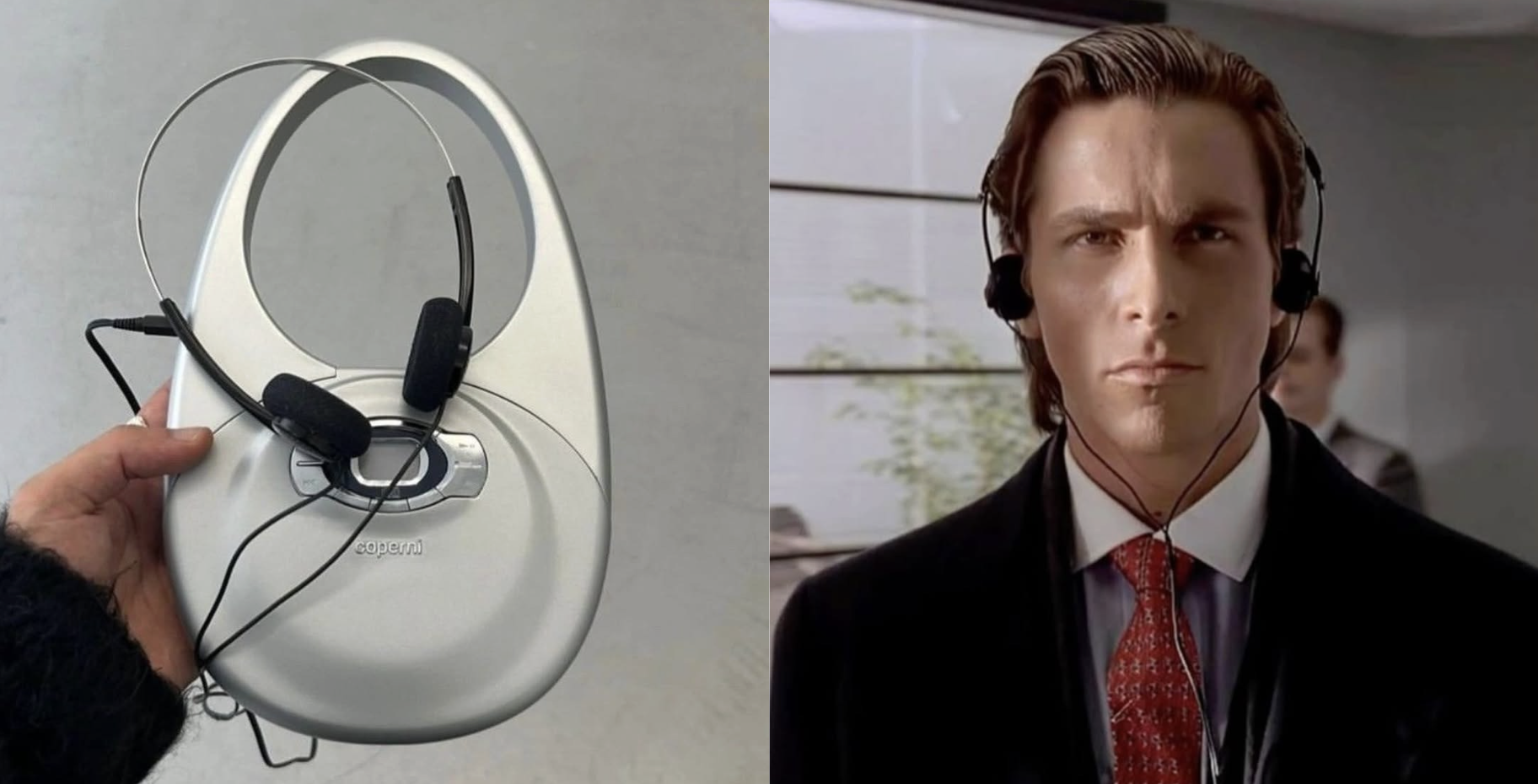
Look at Kat from Finance. Sample post: “Patrick Bateman would lose his mind if he saw this” below a picture of an iteration of Coperni’s popular Swipe bag but with a new, very distinctive feature: it doubles as a CD player. Most of her pictures are selfies in her office bathroom or posed on her desk: “This is your reminder to keep doing your daily stretches” one caption reads. As her Instagram bio puts it: “A corporate slay a day keeps the doctor away.”
Or take Natalie Marshall, known online as Corporate Natalie. She has made a name for herself by highlighting the absurdities of office life: how everything is “urgent”, the dread of corporate jargon like “synergy” and the performative insistence that “work is your life”. Her TikToks have been viewed tens of millions of times, resonating because viewers instantly recognise the everyday office rituals she dramatises.
Marshall is part of a growing wave of “9-to-5” influencers. Around a million TikTok videos now appear under #9to5 or #CorporateTikTok. Some show gruelling schedules; others turn attention to the small routines – the morning coffee, the commute outfit, the pre-work ritual before logging on. It could read as mundane, but audiences watch because it feels unfiltered and real in a way few scripted dramas achieve.
Other creators have experimented with the same format. Jemima Grace, who counts over 300,000 followers on TikTok and 200,000 on Instagram, recently left her office job, leveraging her following to explore brand collaborations. Connor Hubbard, another corporate influencer, amassed a large audience documenting his analyst life – but after leaving his job to focus on content full-time, some fans argue he lost the relatability that first drew them in.
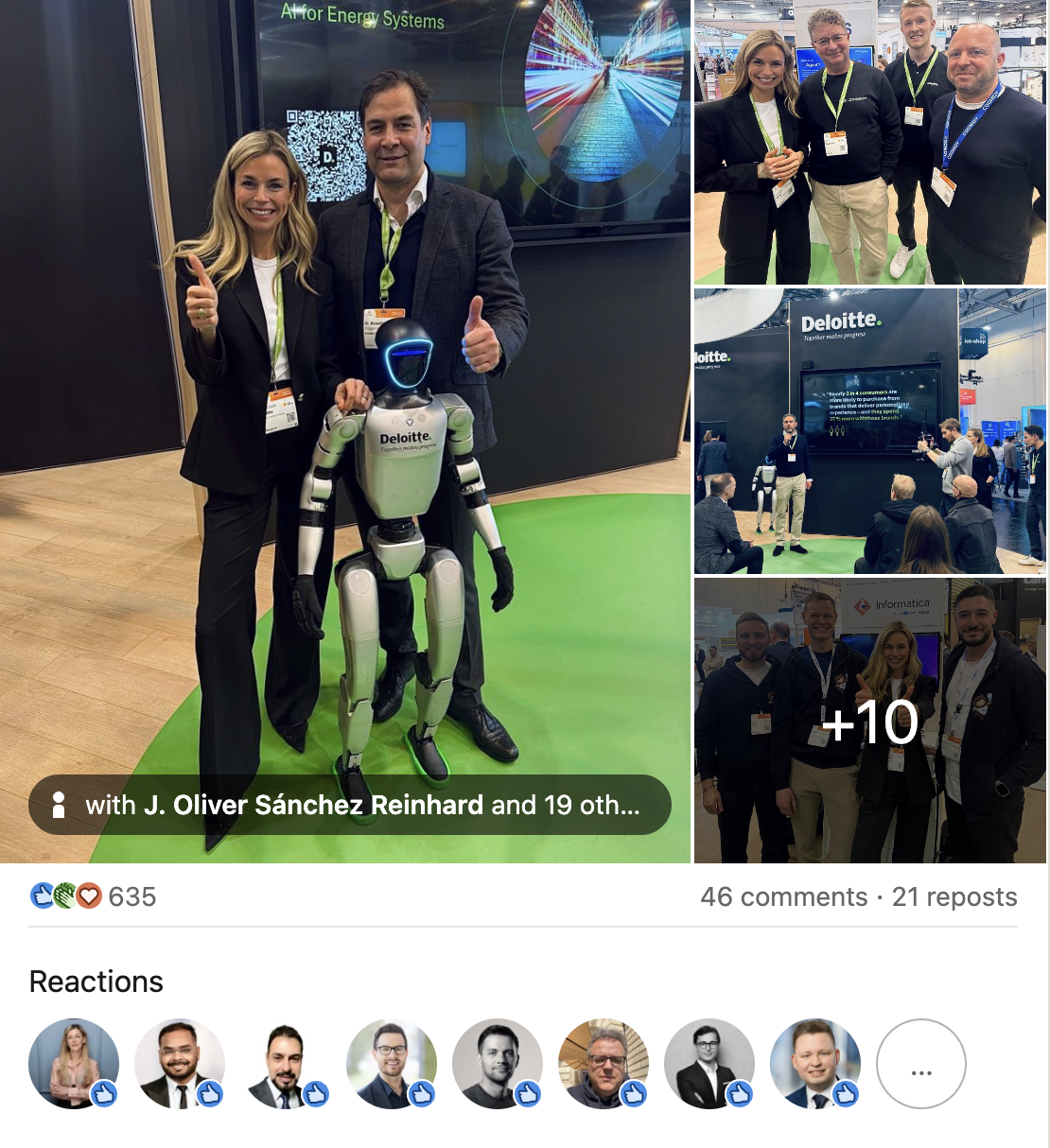
Firms have begun partnering with corporate influencers to connect with customers – and future hires – in a language that feels native to the feed. Deloitte hired Lara Sophie Bothur as its first in-house influencer, reportedly generating millions in advertising value through LinkedIn alone. The corporation, once faceless, now wants to be followed.
In SEED CLUB, the conversation captures this strange tension between disillusionment and desire. Kai Altmann posts a link to Bullshit Jobs, the renowned book by the late US anthropologist David Graeber. The implication is clear: much of modern work feels pointless, abstracted from tangible value.
Elsewhere, Matilda Ruck shares a link to an article about Industry series four, which says: “The series has always been about how work is where self-worth is measured in real time, loyalty is a liability and the promise of power demands everything.” The office as moral crucible. The spreadsheet as soul-mirror.
But then the thread pivots. Sarah Knox notes: “Noticed this the other day, as well as corporate girl outfits videos filling my algorithm on instagram.” She links to this piece about high-flying City women turning office style into social content, and writes: “There’s a feeling here that there’s a desire to revive the corporate culture or at least the aesthetics of it. Maybe a generation who grew up on films with high-flying women at the helm (baby boom, devil wears prada etc.). Is this a new way to bring meaning to corporate jobs when the job itself is void of it?”
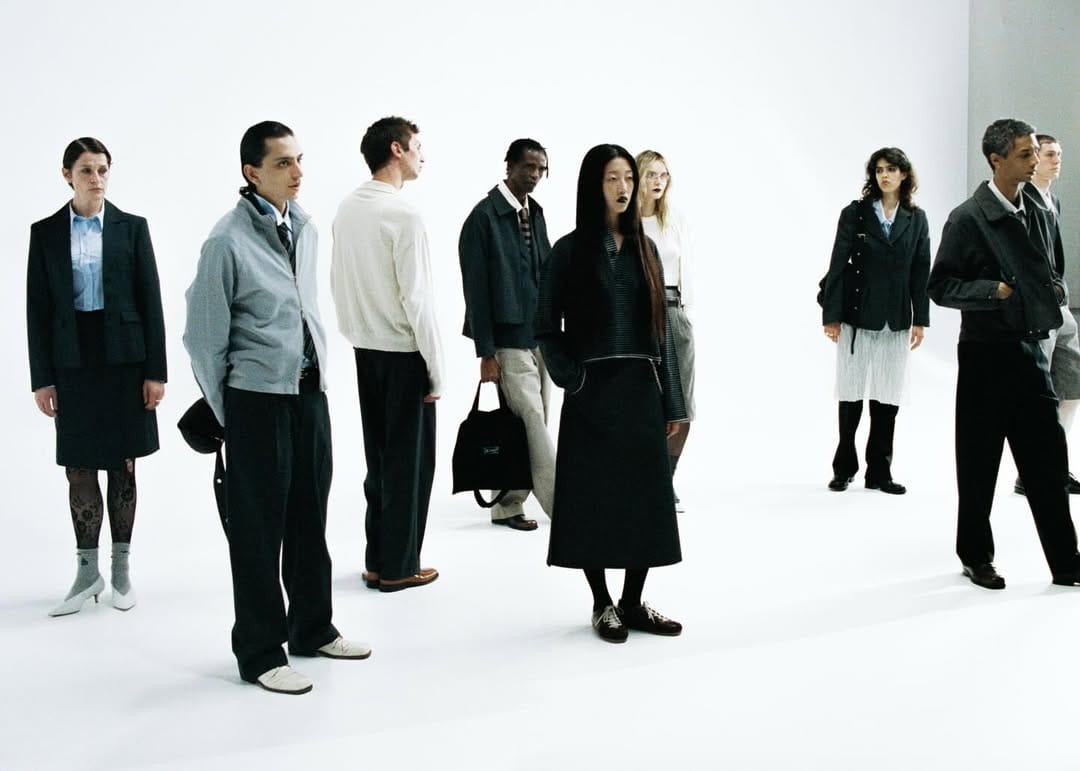
It’s not just content creators translating corporate into culture. Brands are leaning into it too. Copenhagen-based Mfpen, for example, blends the visual codes of office life with post-punk and rebel-romantic references, creating a world where pinstripes meet dystopian DIY. The brand aesthetic makes the desk, the tie and the ringbinder feel like props in a broader fantasy: corporate life as style, spectacle and subcultural storytelling.
Because perhaps the corporate dream hasn’t been killed off – it’s been re-skinned. We no longer believe unquestioningly in the ladder. But we will film ourselves climbing it. We’ll meme the jargon, rate the outfits, narrate the burnout, optimise the morning routine.
Even institutions are leaning in. The New York Times recently launched a dedicated Instagram account sharing behind-the-scenes glimpses of newsroom life – turning the mechanics of the office into something intimate, consumable, aspirational.
If the 2010s were about escaping the cubicle, the mid-2020s might be about reframing it. The fantasy now isn’t that work will save you. It’s that work, properly aestheticised, might at least look good on camera.
For brands, resisting the obvious narrative that everyone hates corporate can be surprisingly effective. In a chaotic world, leaning into the familiar rhythms of corporate life – the visuals, the rituals, the personalities – can offer a sense of stability and find wide appeal. The corporate dream isn’t dead. It just has better lighting.
| SEED | #8389 |
|---|---|
| DATE | 26.02.26 |
| PLANTED BY | PROTEIN |
Protein XYZ is a cultural intelligence platform for progressive brands who want to make better decisions, discover new opportunities and stay relevant.
