

What Makes a Good Collab?

Or how the boring, captivating, strategic and unhinged collide.

Collaboration used to be neat. Two logos, one campaign and a perfectly timed TikTok. Today, culture doesn’t always wait for campaigns to launch – it unfolds in real time, creating moments brands can respond to, amplify and shape. The most talked-about “partnerships” recently aren’t always official at all, but accidental cultural collisions where politics, humour, heritage and absurdity crash together and take over your timeline. Think of it like a scatter plot where the hottest cultural moments land somewhere between strategic and unhinged, with a little exciting on the Y-axis and a big serving of surprise on the X-axis.
Heinz x Absolut
Boring / Strategic
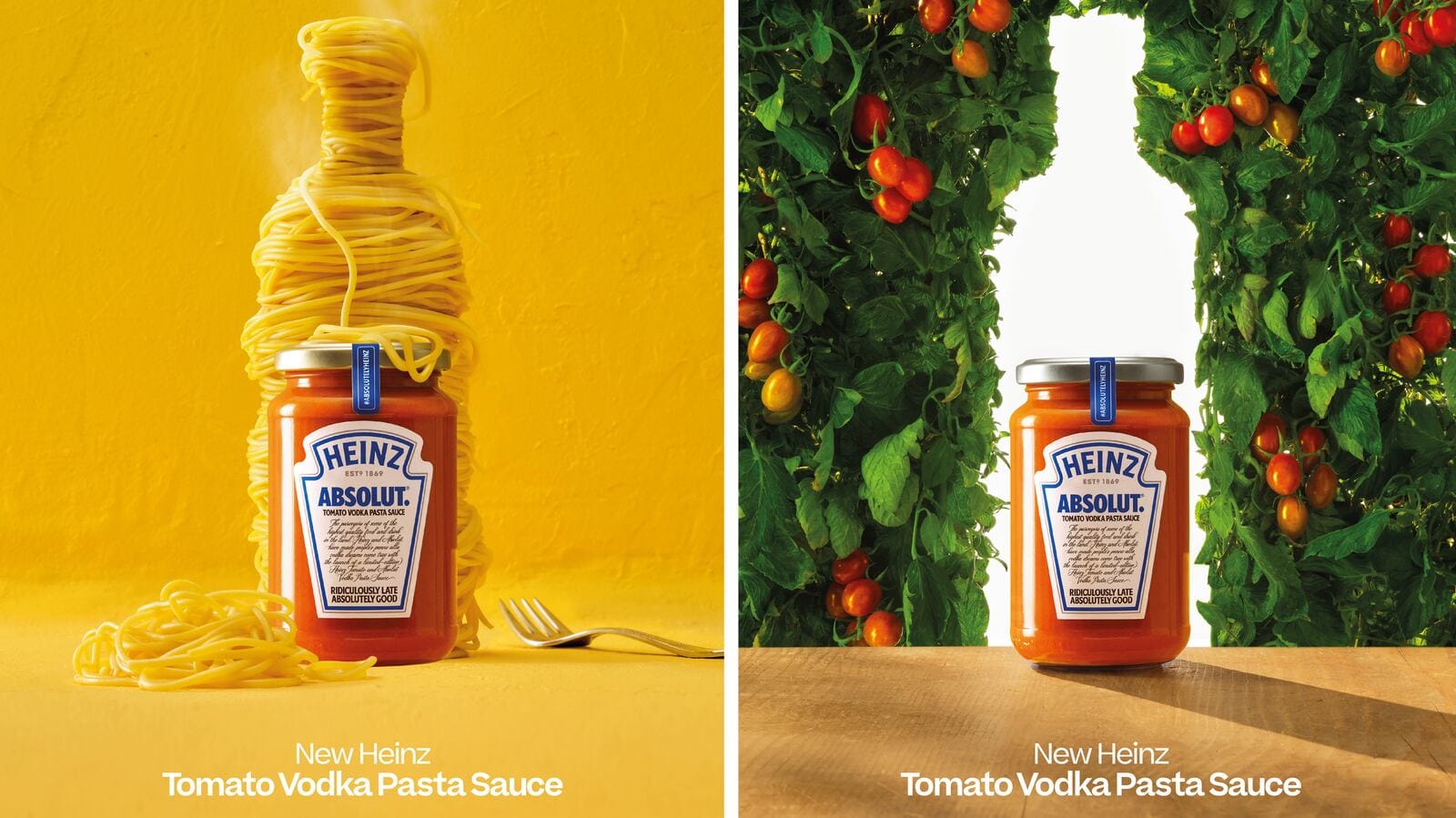
The kind of partnership that checks all the boxes but doesn’t make headlines. Picture Heinz and Absolut sharing shelf space and a spot in your local retailer’s promotional calendar: ketchup-inspired cocktail recipe, maybe, or a co-branded happy hour. It makes sense, passes the gut test and does the job without breaking news cycles.
It’s the quadrant of quiet strategy: collaborations designed to drive category growth, not virality. There’s no meme potential here; nobody’s screen-grabbing this one and sharing in the group chat. But there is revenue logic, co-marketing efficiencies and distribution synergy.
And in a world that’s dazzled by unpredictability, this kind of dependable, boring strategic moment reminds us that not all cultural impact is loud – some of it just sits solidly in the marketplace.
Shake Shack x Fortnum & Mason
Boring / Unhinged
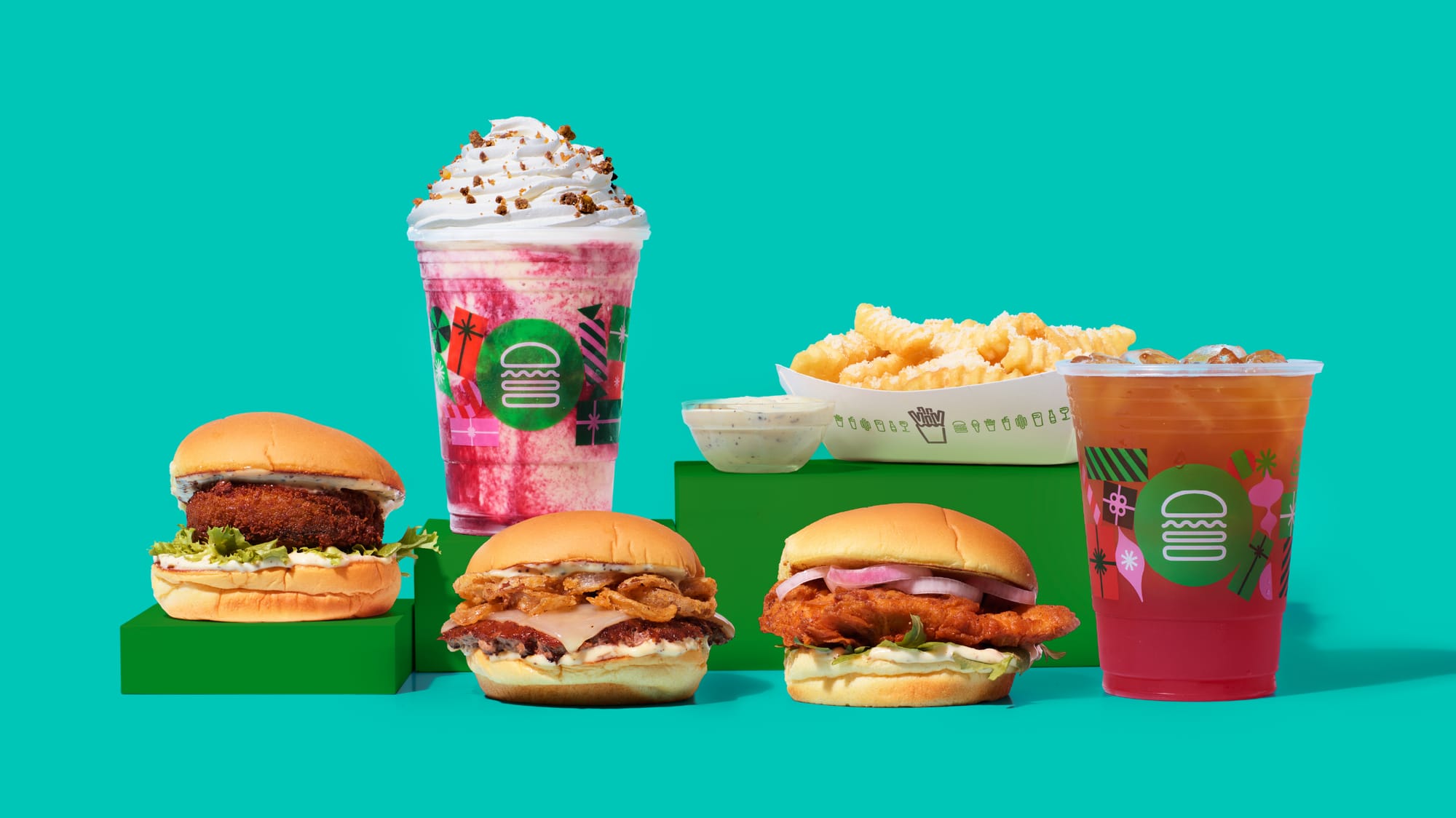
British tradition quietly colliding with American casual dining: Fortnum & Mason’s tea-crisped refinement blurred with Shake Shack’s burger-and-shakes ethos. It sounds like a punchline in search of a story, and if such a moment actually landed on a menu, you’d probably take a picture before tasting it.
This duo isn’t exciting in the conventional sense. It’s just weirdly there – an oddball mashup that doesn’t seem to solve any particular cultural need beyond “look at this”. That’s the magic of the Boring-Unhinged quadrant: it’s unexpected not because it lands big, but because it barely lands at all. And yet – someone somewhere is curious enough to Instagram it.
This zone reminds us that sometimes culture doesn’t erupt; it percolates, odd and delightful in the background of our feeds.
IKEA x Balenciaga
Captivating / Strategic
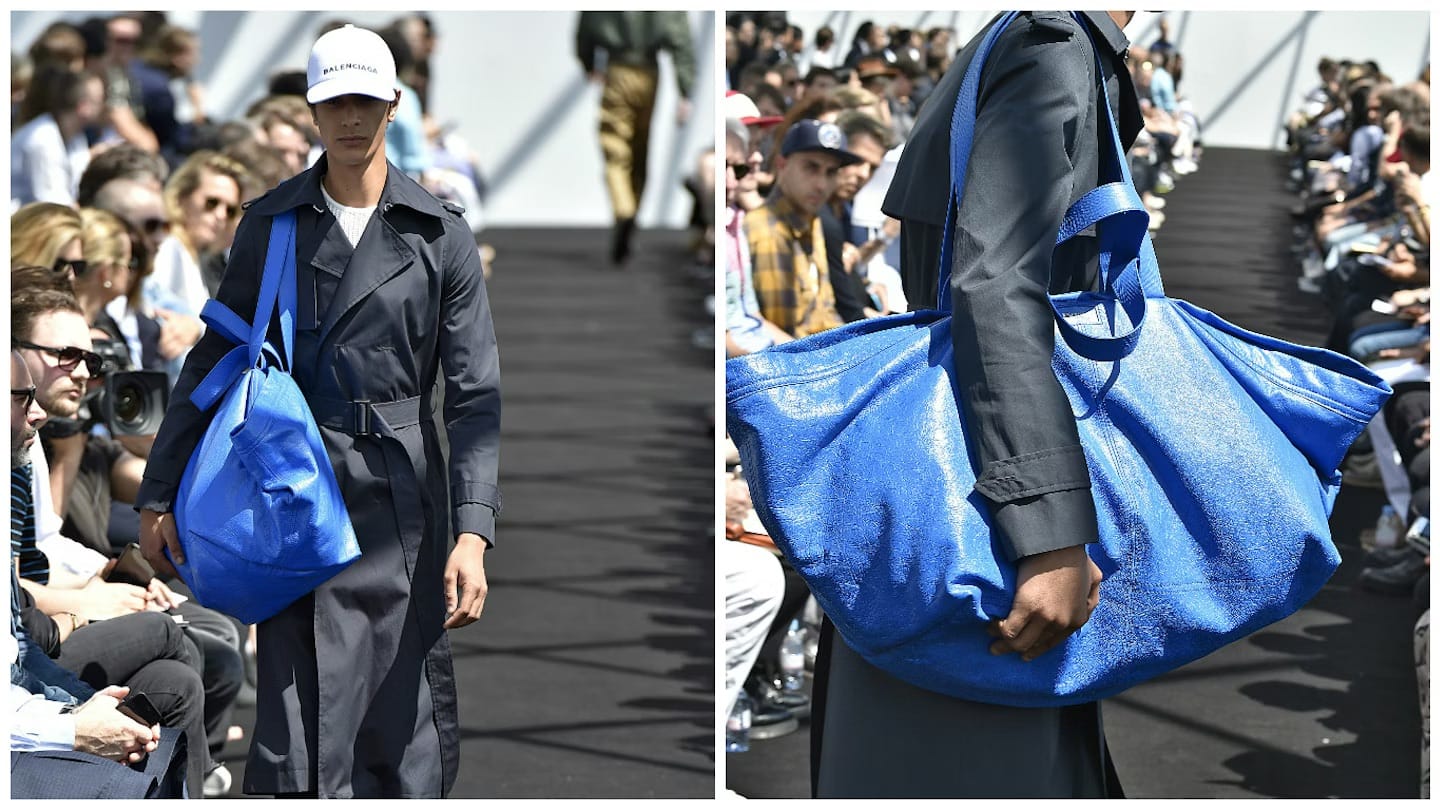
Long before viral trends were curated by machines, IKEA and Balenciaga were already in a cheeky dialogue about cultural signifiers. The Swedish retailer’s iconic blue FRAKTA bag – a humble plastic shopping carrier – was reinterpreted by Balenciaga at a luxury price tag, prompting IKEA itself to respond with witty ads celebrating the real deal.
Here’s where “unexpected” gets nuanced: this wasn’t a formal tie-up, no product drop tagged “IKEA x Balenciaga”. It marked the beginning of brands borrowing each other’s cultural capital, riffing off shared visual language and flipping it back at consumers in public view. IKEA’s playful rebuttals – complete with “how to spot the original” guides – turned a potential fashion theft into a cultural win for both sides.
Not only clever – but strategically exciting – it’s the kind of exchange that turns everyday objects into a kind of performance art, keeping both brands in cultural circulation long after the initial story fades.
Maduro x Nike
Captivating / Unhinged
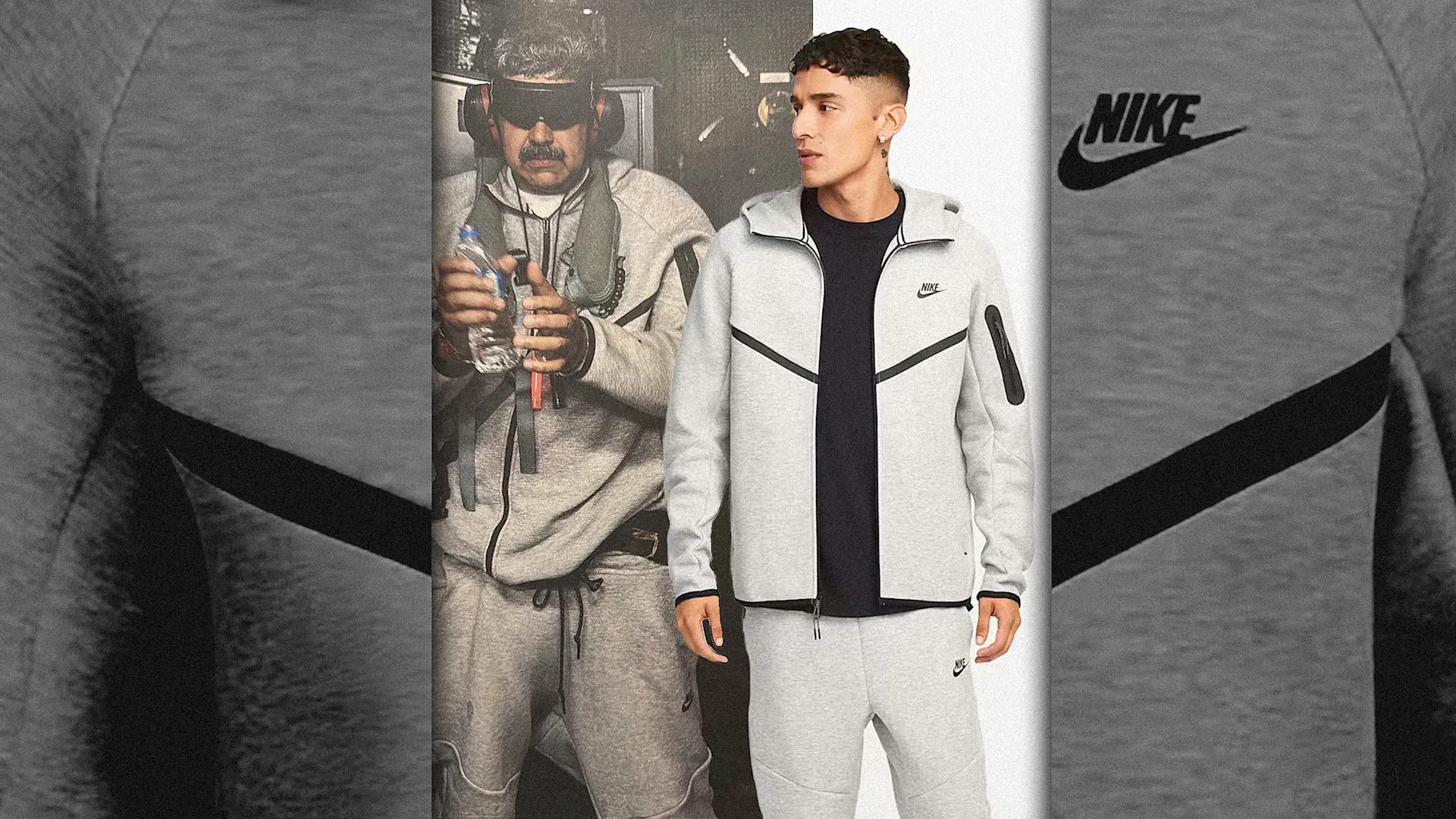
Nothing says unplanned virality like a former head of state becoming both a meme and a muse for streetwear. When Nicolás Maduro was pictured in US custody wearing a grey Nike Tech Fleece tracksuit, the internet went wild: screenshots circulated, memes exploded and, within hours, the exact tracksuit had sold out nearly everywhere online.
No campaign. No paid talent. No strategy deck. Just a viral image that turned a political flashpoint into an accidental cultural moment: every meme and post became earned media for Nike, making the brand part of a conversation nobody planned but everyone clicked.
Yet Nike didn’t post, comment or try to capitalise. And that silence says a lot. In a landscape where TikTok trends erupt then vanish in days, where memes come and go by the hour, sometimes the smartest move is simply to watch. Giant corporations, with approval chains, legal checks and brand-safety red tape, can’t move fast enough to catch these lightning moments – and trying to do so often backfires. A single reactive post can spiral into controversy, outrage or misinterpretation in seconds. Platforms amplify both jokes and fury with equal velocity, leaving brands exposed if they misread the mood. In this world, restraint isn’t hesitation – it’s strategic self-awareness.
There’s also the question of value. Not all attention lasts. Viral reactions might earn likes, shares and screenshots, but they rarely build loyalty, trust or meaningful equity. Chasing every fleeting trend can make a brand look opportunistic rather than relevant.
What this moment really highlights is a shift in how brands show up in culture. Relevance isn’t about chasing every wave; it’s about inhabiting spaces with context, credibility and consistency. Nike showed that cultural fluency now includes knowing when not to play – a quiet, controlled move that lands as powerfully as any meme-driven stunt.
| SEED | #8377 |
|---|---|
| DATE | 15.01.26 |
| PLANTED BY | PROTEIN |
