
Pathetic Memes

An interview with Catty Berragan, SEED CLUB member and co-founder of Pathetic, a creative studio blending culture, technology and – yes – memes.

PATHETIC is a creative studio blending fashion, emerging tech and internet culture. The studio works with brands such as CashApp, MUBI, Nike and Gucci, and grew out of Berragan’s six-year-long Instagram meme page (@PATHETIC), which now has 288,000 followers and over 50 million impressions every month.
In this interview, Berragan talks about why memes matter as a cultural and creative tool, how running a meme page shapes the studio’s approach to brand campaigns, and why combining fashion and technology opens up entirely new creative possibilities. Plus, how to balance irreverence with professionalism – and why getting memes right can make or break a brand’s cultural relevance.
So: memes. They’ve been a through line in your career. How so? And why do you think memes resonate so much?
I actually started my career by building meme pages on Twitter. I was revising for my GCSEs and decided to make a page called Exam Problems. The page hit 50,000 followers in a few weeks, and it was the first time I realised memes could transmit a shared experience really easily and really fast. I'd get home from an exam, post about a specific question and get 2,000 retweets. That rush is something I've been chasing ever since.
Memes are the smallest unit of attention on the internet and the most efficient way to move an idea. They take almost nothing to create, spread faster than any other format, and have no ceiling on how far they can travel. When you have that kind of leverage as a creator, it’s hard to ignore.
They’re also incredibly low-stakes. Your name, face, or likeness isn’t attached, giving you a blank canvas to explore topics and shape your influence.
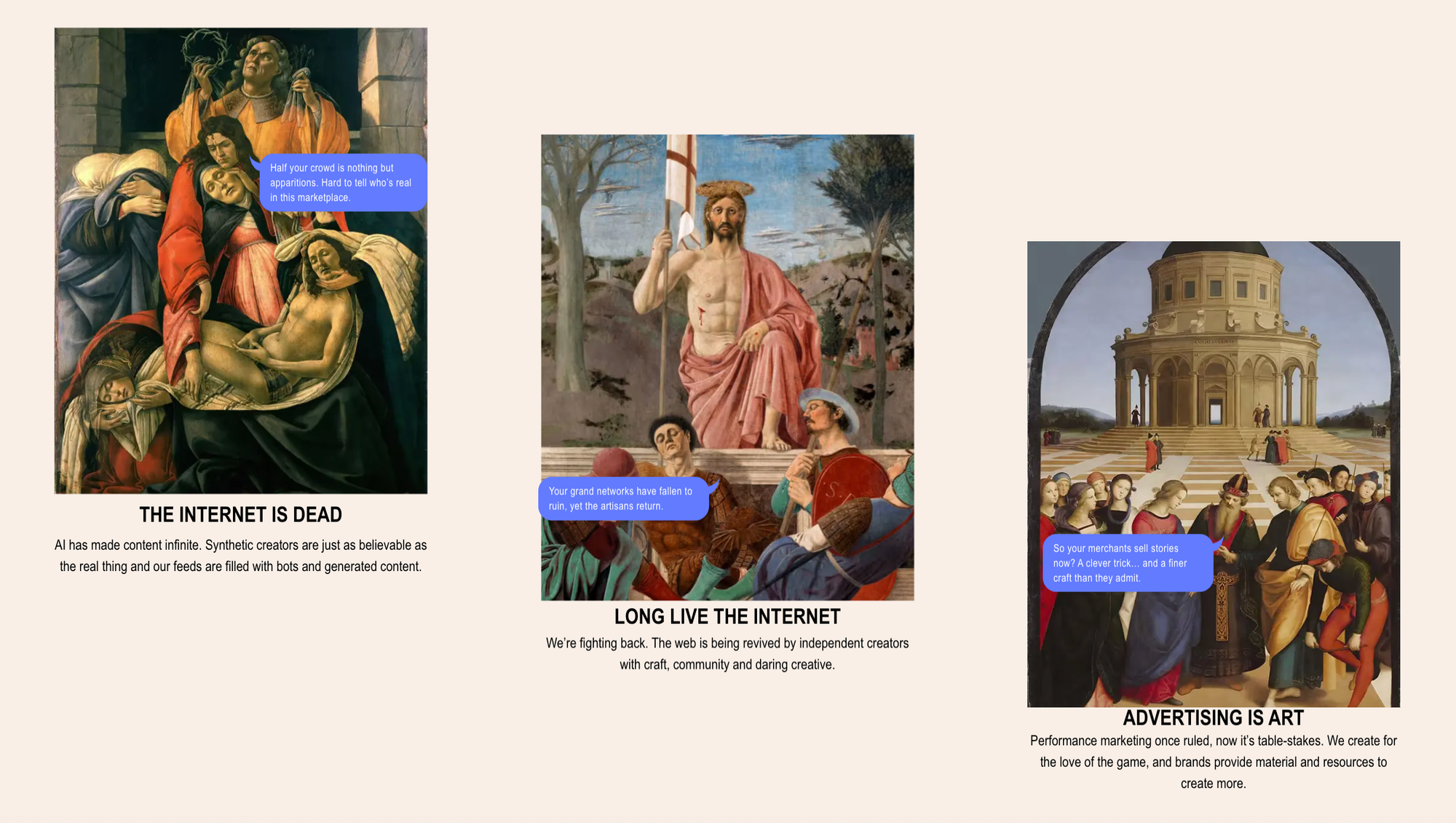
When working with global brands such as Nike, Adidas and Gucci, how do you balance brand identity with meme authenticity?
Brands have to accept that working with us means giving up some control over their identity and guidelines in favour of something more valuable: self-awareness and humour. To reach a genuinely large audience, you have to be willing to make that trade. The brands that see the best results are the ones that understand this.
Can you share an example of a brand campaign where memes drove real engagement, not just viral reach?
The example I always give is an unexpected one: Supabase. It is a software development company targeting developers, recently hit a $5 billion valuation and growing exponentially. I had coffee last year with the company’s CTO and cofounder, and what stood out to me is that a huge part of its growth can be directly traced to its meme content on X.
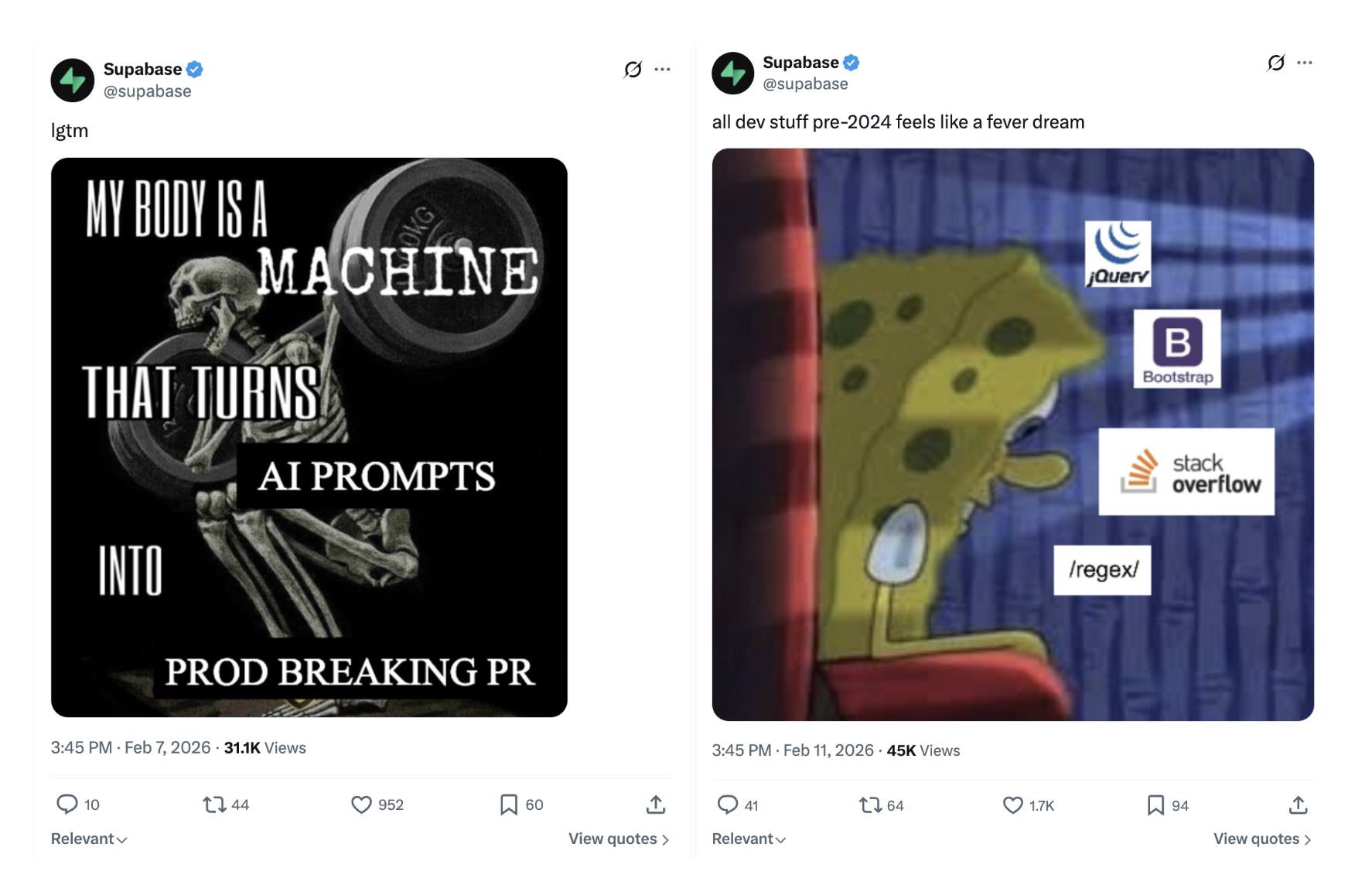
What makes it work is that their founder and CTO personally runs the brand account – which is unheard of. I genuinely don’t know of another example where a CTO is writing the tweets, and that’s exactly why it’s so effective. Normally, you have a social media manager who has a fraction of the product knowledge, so there’s always a layer of removal between the person posting and the thing they’re promoting. Its CTO has none of that. He seamlessly blends development insights with how Supabase appears in those conversations and how it solves real problems – all wrapped in an extremely authentic, sharp, meme-driven content style.
By removing the approval layer entirely and running a tight meme generation loop, it has built a social strategy with far greater reach than any of its competitors. It has made them the default tool for its part of the software development stack. And here’s the compounding effect: its revenue is growing exponentially in large part because it is the tool being selected by AI code builders — and those AI systems are making selections based on social conversation and market perception. Supabase has become the default because they dominate the conversation, and they dominate the conversation because their CTO treats memes as a core growth channel, not a nice-to-have. It’s a brilliant case study.
However, in general I don’t believe memes can be the main thing when it comes to building a brand or an identity. What they can be is an incredible viral layer over everything else you do – helping you achieve massive reach, spread an idea quickly, transmit cultural capital and demonstrate a deep understanding of very specific archetypes and cultural tropes. But all of that sits on top of something deeper. You still have to do the harder work: longer-form storytelling, community, great design, great product. There’s a lot that goes into a brand. Memes amplify it.
You have turned an Instagram meme page into a successful creative studio. What was the pivotal moment where you realised memes could be a business?
I’ve been paid to make things on the internet my entire career, so the instinct that this could become a real business was always there. Pathetic specifically was a slow burn. It took five years for the page to hit meaningful growth and for that growth to compound. We’re now adding 20-30,000 followers a month. For context, it took me an entire year to reach 30,000.
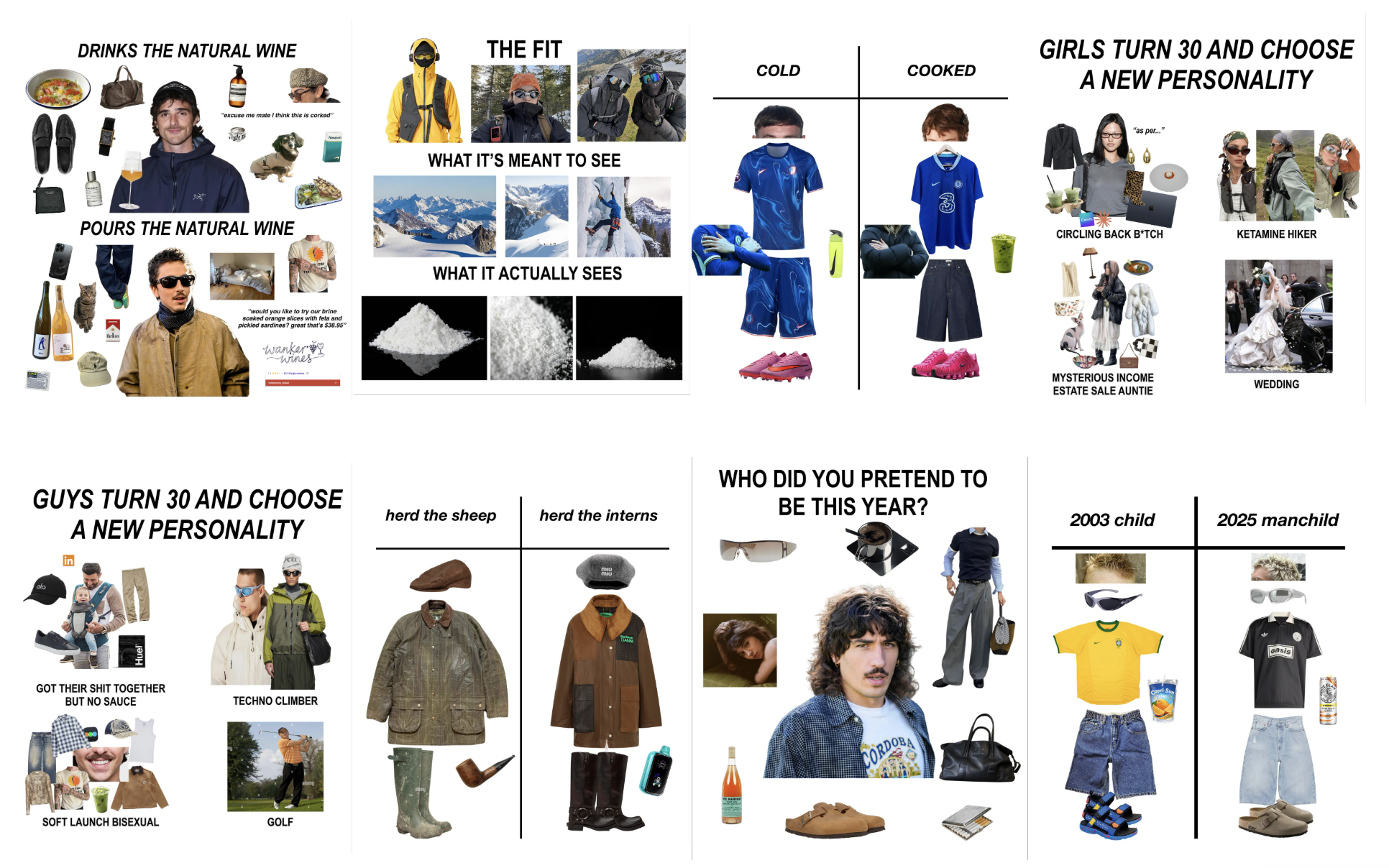
Towards the end of last year we collaborated with Square on a full-scale campaign, which involved content, an in-person event and creative strategy. That was probably the green light I needed to believe this could scale.
Building slow allowed us to curate a community that genuinely believes in what we are doing. And that community is now a playground to launch and test products, content, apparel. There wasn't one pivotal moment so much as a compounding realisation that we'd built something with real commercial gravity.
How do you manage the tension between staying irreverent while running a professional studio with high-profile clients?
The page is really a shop window. It showcases our understanding of culture and our ability to make content that reaches people – but we do a huge amount of work that never touches the page. Much of what we produce is specific to the brand, built for specific channels and audiences. So the page functions more as a lead-generation and brand-building tool for us than as a delivery mechanism for client work.
Our core job as a studio is to optimise for ideas and maximise creativity. Owning our own media gives us two advantages. First, we’re constantly learning what content performs, which is essential for any creative studio. Second, it gives us a sandbox to test and launch ideas that have nothing to do with client work – ideas that can later be validated and sold to a brand.
When you’re developing concepts for a client, the work is inevitably diluted by their guidelines, legal requirements and approval processes. Being able to run with our own ideas without those constraints means we can push harder creatively and reach insights faster than studios that only create on behalf of others.
Pathetic blends fashion, tech and memes. How do you decide which industries or trends are worth exploring?
Fashion is probably the greatest creative industry in the world. It’s unmatched in its ability to pull references from outside itself – art, music, architecture, subculture. Technology is the opposite: it’s largely inspired by itself. But what tech has is unrivalled scale and creative potential.
When you combine the two, something exciting happens. You get culturally fluent, inventive people working on problems with far greater reach, bigger budgets and more ambitious potential. Tech also unlocks the ability to create entirely new experiences that wouldn’t otherwise be possible, and that’s where I think the most interesting work is happening right now.
How has/is AI transforming how you work?
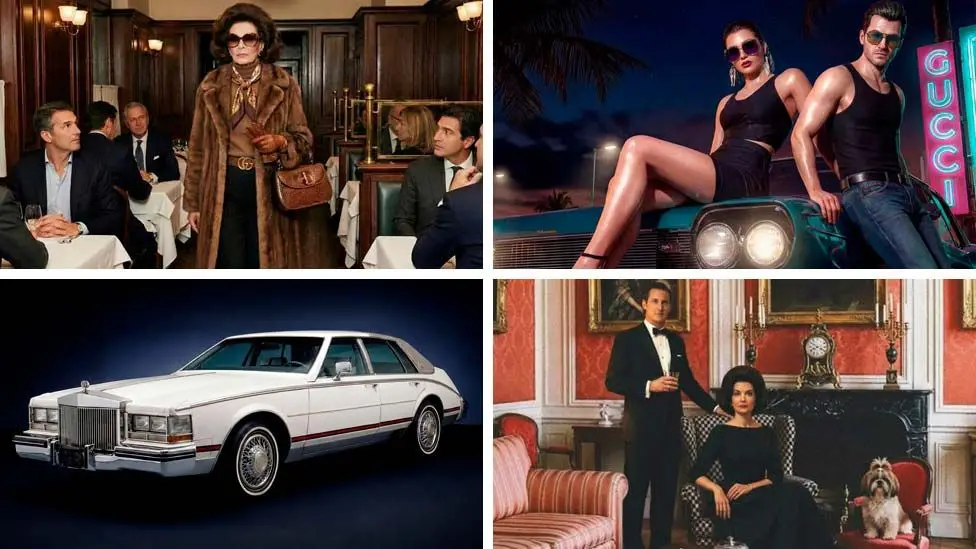
There are two distinct ways. Operationally, it’s allowed us to run an incredibly lean studio. On the creative side, we’re exploring how to produce AI-generated work that feels esoteric, niche and culturally credible. I think we saw with the Gucci example over the past few days – that people won’t accept lazy implementations of AI, just as they wouldn’t accept lazy implementations of any creative technology. But what they will accept is output that’s genuinely distinctive, high quality and not derivative of the existing art it’s visibly replacing.
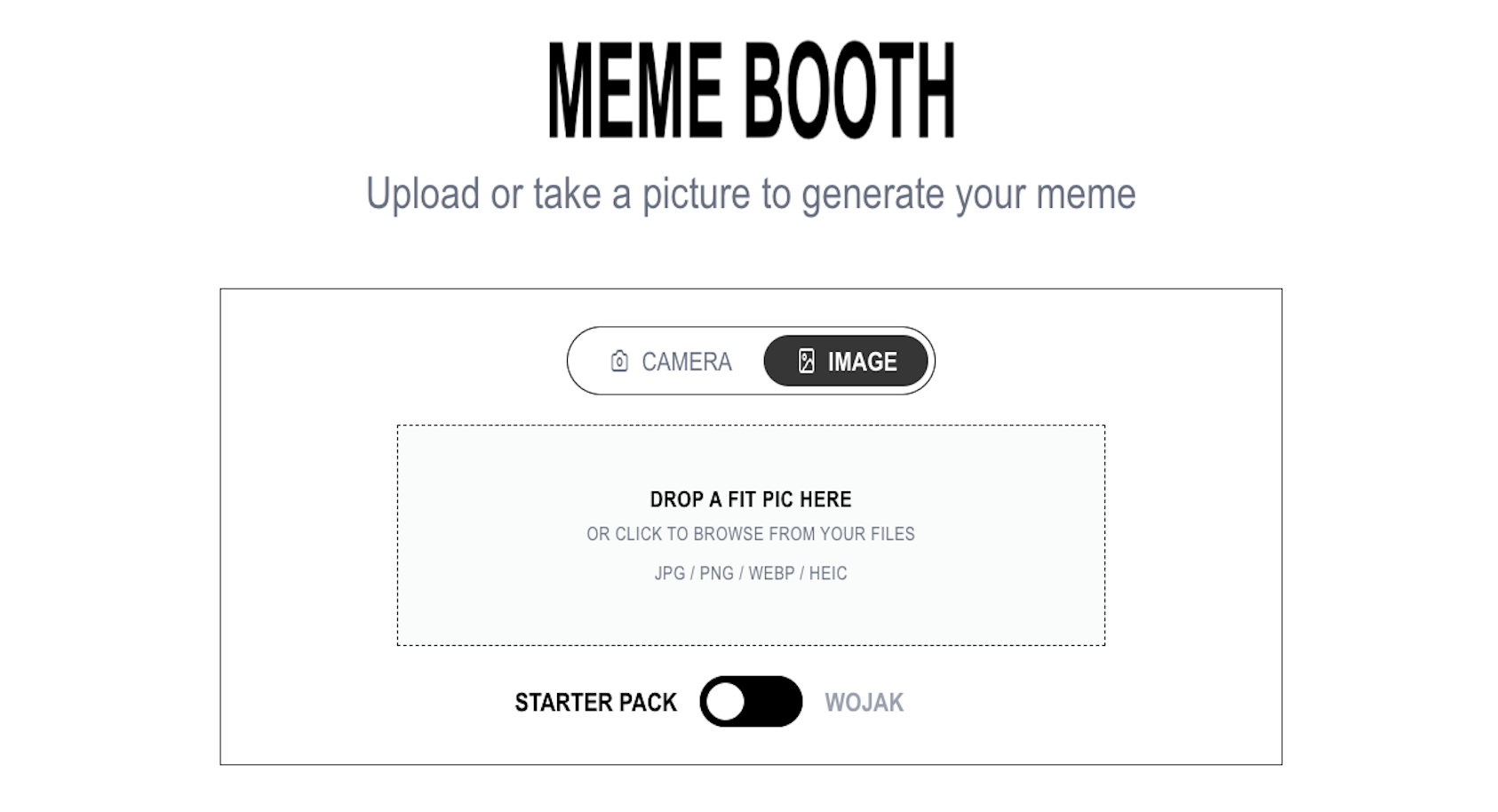
That’s the philosophy behind the Meme Booth. We trained it on our own memes, humour and visual language so the output was unmistakably ours. People embraced it because the quality was there and it didn’t feel like it was taking anything away from anyone. That’s the line. Studios that understand where it sits will have an enormous advantage.
| SEED | #8390 |
|---|---|
| DATE | 03.03.26 |
| PLANTED BY | PROTEIN |
