A new time and space for sports in a changing climate.
@provizsport
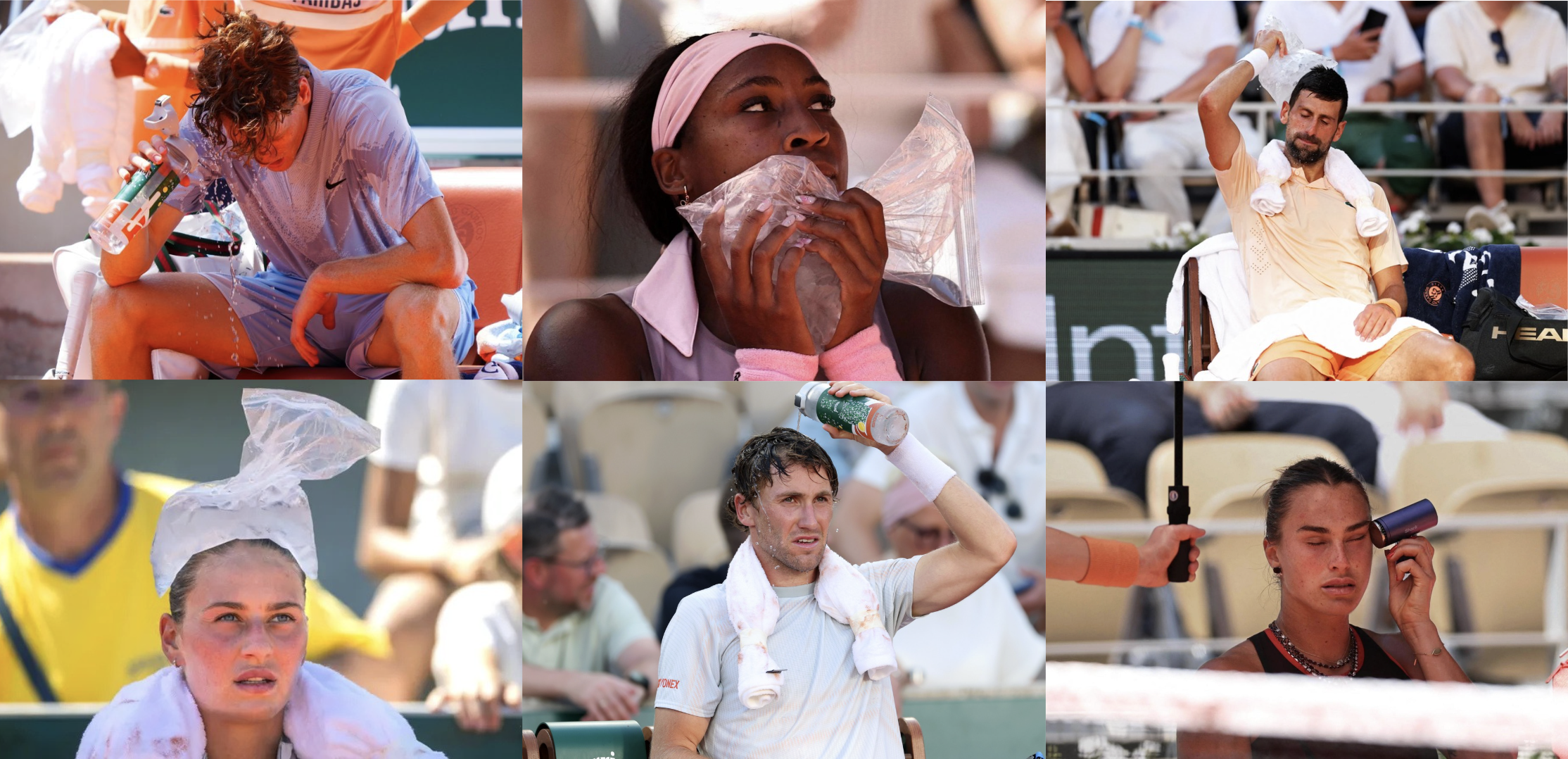
It's been a tough summer for the world of sport. Three of the season's biggest competitions all had to confront disruptive levels of heat. The World Cup pushed matches into the evening to escape sweltering afternoon pitches; Roland Garros endured a record heatwave that left players and crowds wilting; and the Tour de France cut a stage short in a competition first, the day too hot to ride safely. By the end of summer this had become a familiar headline and a cultural talking point. The question now turns to the future: how should sport adapt?
Roland Garros 2026
One response is to move indoors, and some sports can. But air-conditioned halls are expensive, take years to build, and do nothing for sports that need open ground. The more realistic move is to reschedule play for the cooler hours, and into the night. Cooler months and dawn take some of the shift, but it's the night that opens the most interesting questions, culturally, socially and commercially.
For a preview to where Europe is heading, it’s worth looking to the places with a legacy of taking nocturnal refuge from the heat. The Colombian city of Bogotá runs the Ciclovia Nocturna: a twice-yearly night event for cycling, skating, walking and culture after dark. In Saudi Arabia’s capital, Riyadh, outdoor padel is an after-hours sport by default; courts lit and open until four in the morning. In Lagos, Nigeria, five-a-side football is played on floodlit turf pitches deep into the night.
There are fascinating ripple effects to the nocturnalisation of sport. The night is territory synonymous with clubbing, socialising and a licence to be more free-spirited than in the day. As sport moves into that zone, it’s started to compete with, borrow from, and blur into traditional nightlife. The clearest example is the running rave. In São Paulo, Brazil, a crew called Pacetronik infused the run club with a live DJ and mobile sound system, with the collective now sponsored by ASICS and running gear brand Snugg Wear.
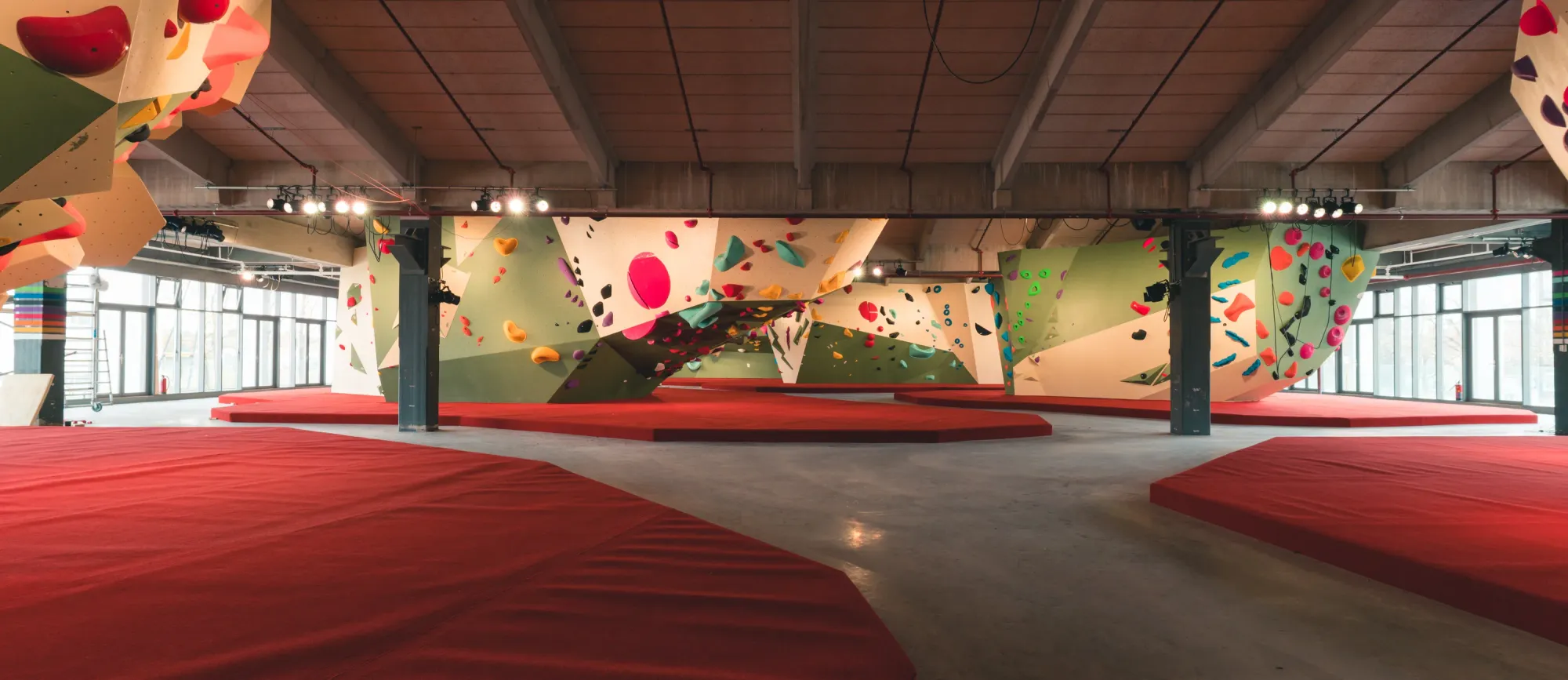
Indoors, late-night bouldering is also borrowing from nightlife. This year, Amsterdam Dance Event – a renowned five-day electronic music conference and festival – is transforming a climbing gym into a club. Tickets for the event allow you to boulder until 10pm with DJs soundtracking your climb, before the walls close and the dancefloor opens.
The Boulder Room at Amsterdam Dance Events
The reverse of this dynamic is nightclubs embracing fitness. Morning raves first emerged a little over a decade ago; the appeal not excessive, heady escape, but grounding, nourishing exercise. Celery juice served in lieu of vodka Red Bulls. A post-club menu of sugar-free protein balls rather than cheesy chips. As the culture’s focus on wellness has deepened, institutions notorious for sweating bodies and racing hearts have evolved to reflect this. Last year, Ministry of Sound announced the Ministry of Sound Games: an exercise competition for pairs, featuring DJs, ice baths, brand pop-ups, a post-workout social and after-party.
Protein AGENCY provides insight, foresight and strategy for global brands that's rooted in culture and the collective knowledge of SEED CLUB - our decentralised research community of 500+ global experts.