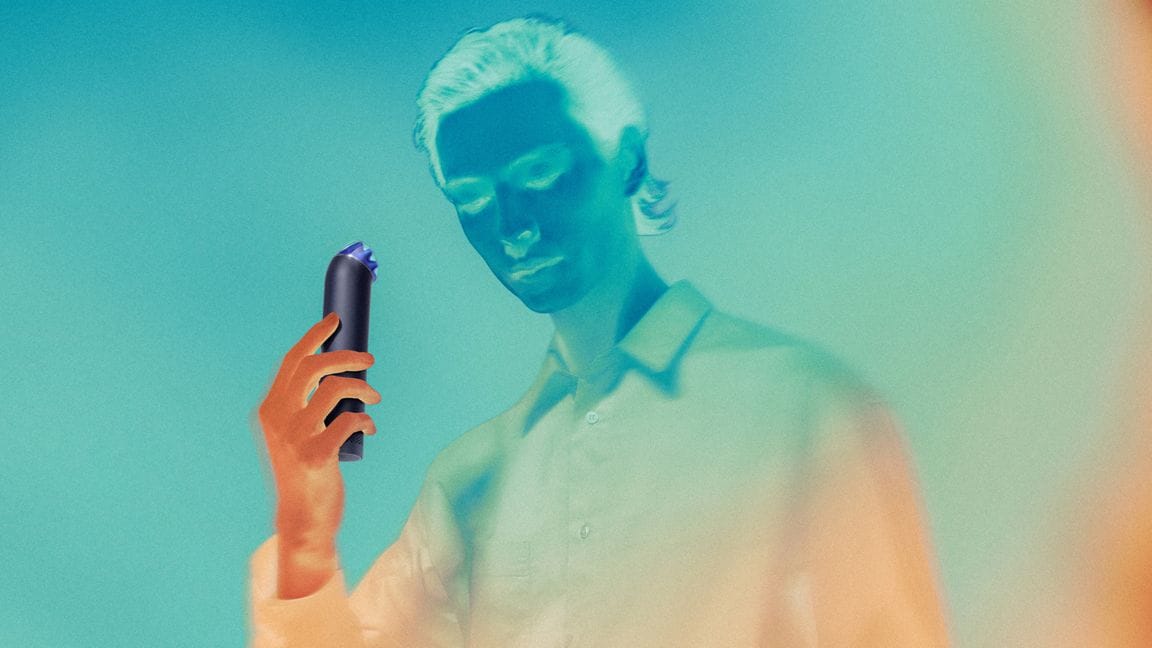
The psychological, sensual and socio-economic power of heat. Featuring Dyson, Vyrao and Headline Newds.
Heat Seat by Jürgen Mayer H.
It’s October and the cool autumn air has finally descended on London. The early skies are dull and perfect. The drab kind of English mornings you remember getting ready for school in: the hot shower savoured as your sleepy mind defogs, the artificial light of the kitchen feeling especially bright, the sips of steaming tea slowly awakening your mind and body. On days like these, it can be easy to forget the brutal heat that engulfed our lives just weeks before. But it’s still there. Maybe not today, maybe not in your corner of the world. But it’s there.
For a large stretch of this year, heat has been the main, unavoidable topic of conversation, so it only felt right that it’s also the topic of our upcoming BRAND BRIEFING.
We’re going to be broaching the topic in a slightly different way, looking at the impact of heat on culture at large. Because heat is also about intensity, passion, pressure, urgency and embodiment. Sentiments we’re seeing bubble up and blaze across society, whether that be as serious as the widening political divide, as playful (or as tiresome) as the buzz of hot takes, or as sensual as the niche fragrance boom.
As we outlined in the SEED 'Rings of Fire', we’ve mapped out three cultural zones the BRIEFING will explore: environmental heat, discursive heat and affective heat. Throughout these, we’ll also touch on the psychological, sensual and socio-economic power of heat, which we’d like to look at a bit more closely today.
Psyche: How Heat Is Shaping Psychology & Politics
Heat and health have a long relationship. In traditional Indian medicine, Agni is the biological fire responsible for digestion and mental clarity. In the 2000s, hot yoga promised to be the secret to wellbeing. The sauna-suit workouts pushed by the Kardashians in the 2010s were favoured for trapping body heat and amping up sweat. The sauna and cold-plunge frenzy still lingers. We’ve always tried to manipulate our bodies through heat, but now we’re at its mercy.
While we know heat can cause physical health problems, such as dehydration, there are also major mental health consequences, such as intensifying existing conditions and triggering new symptoms. During periods of sustained heat, NHS hospital admissions for mental health issues rise by 10 per cent. There’s also evidence that suggests heat can interfere with commonly prescribed psychiatric medications (such as antidepressants and mood stabilisers), which almost 10 million Britons take.
Even for those who don’t live with a mental health condition, heat still affects their brains, inducing irritability, anxiety, mental fatigue and heightened cortisol. Heat doesn’t just change our body temperature, but how we think and behave. When designing systems that adapt to extreme heat, we must consider the psychological, as well as the physical.
Dyson HushJet™ Mini Cool fan
In Philip Teale’s guest piece for Grace Blakeley’s Substack – Air Con Capitalism – he examines the luxury of heat relief. Citing Dyson’s launch of its hand-held fan earlier this year – yours for a cool £99 – Teale observes how the product’s marketing is ‘aestheticising overheating through colourful art direction, breezy marketing copy and blue-steel models’. As such, ‘it re-codes cooling from a basic protection of health to an aspirational lifestyle.’
Protein AGENCY provides insight, foresight and strategy for global brands that's rooted in culture and the collective knowledge of SEED CLUB - our decentralised research community of 500+ global experts.