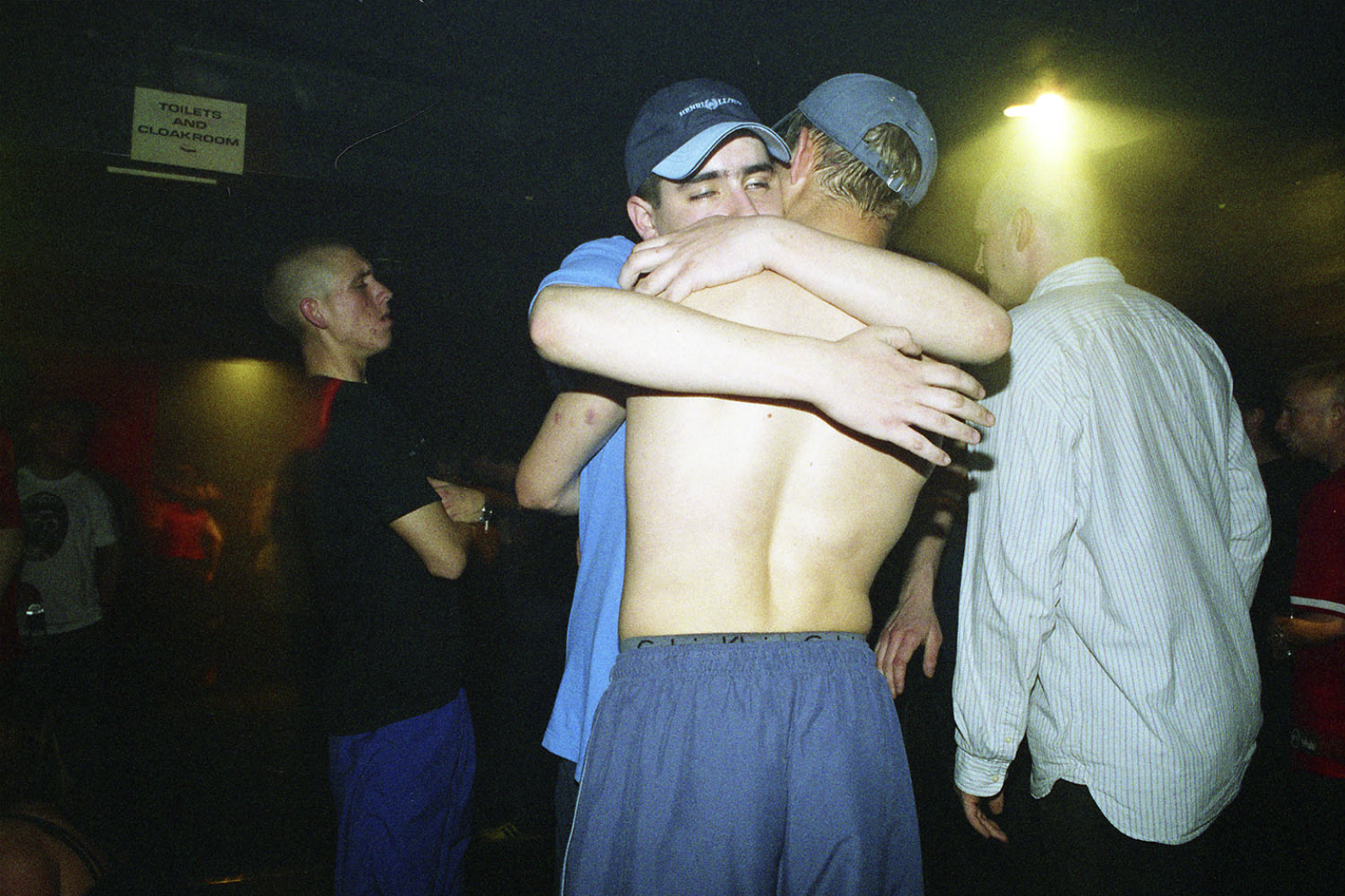
Reflections on creativity, rebellion and self-expression.
We sat down with Jamie Brett from the Museum of Youth Culture, which opens soon in London, to talk about the highs, lows and messy brilliance of youth culture. Brett dives into how the museum captures iconic moments alongside overlooked stories – the awkward first gigs, the DIY scenes, the online movements – and how young people themselves get to shape what’s on display.
‘Youth culture’ is a broad and contested term regarding age, mindset and identity. How would you define it in relation to the museum’s mission?
Youth culture has always been there – think back to Plato’s day, when he famously had a little grumble about the local teenagers. Even Professor Mary Beard has reminded us that there was plenty of youth culture in ancient Greece and Rome. The problem is that society hasn’t recognised the impact of young people; they’ve been omitted from the museum taxonomy, and we’re still stuck in a 19th-century view of childhood leading neatly into adulthood.
But something incredible happens in between. We’re not redefining anything – we’re finally acknowledging how young people have shaped society.
Subcultures like punk or rave are an entry point, but we’re also telling more universal stories – of first loves, first gigs, family life – because everyone has a youth culture.