

Inside SEED Club #4

This extract from Protein's new JOURNAL captures a new global mood emerging across São Paulo, Rio de Janeiro, Barcelona, Mexico City, Chandigarh, Melbourne, Milan, New York and beyond.

Milan, Italy
What brands/spaces/communities best capture the spirit of your city right now? Despite what people often say, Milan is a culturally rich city. What it sometimes lacks are real “third spaces,” but there’s no shortage of places that offer an escape from everyday routines. These range from small, self-organised communities to large, carefully curated venues. BASE Milano and Spazio Maiocchi are deeply woven into the urban fabric, hosting internationally relevant events blending art, fashion, music and design.
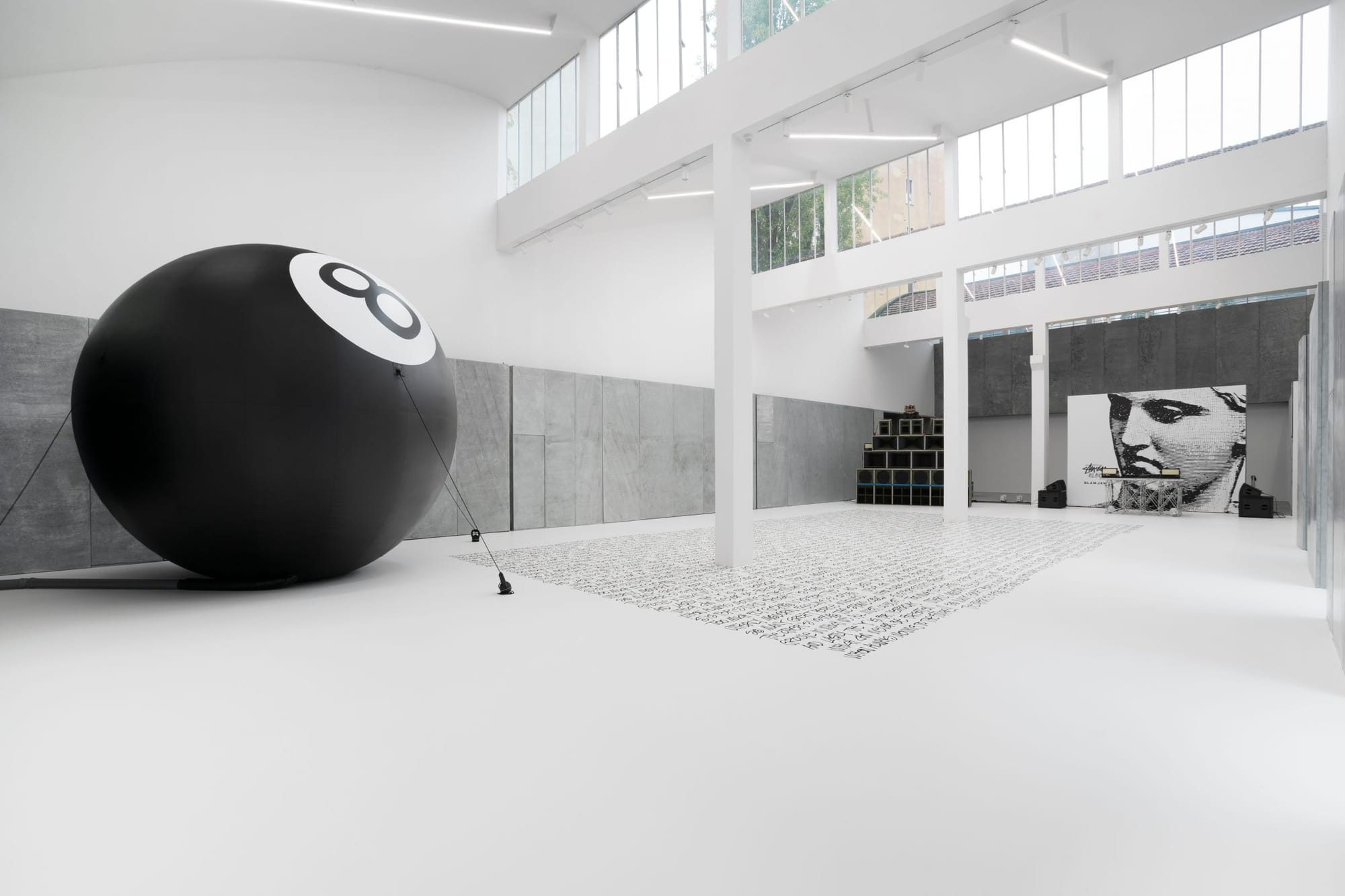
When it comes to communities reshaping the night and social life, NAMA stands out as a new hybrid socio-cultural space, while Tempio del Futuro Perduto represents something even more radical: Italy’s first legally recognised independent socio-cultural centre born from a squat. Also, over the past couple of years, riding a broader European wave, Milan has seen a boom in wine bars.
But the counter signal to the wine-bar hype is the strong comeback of the neighbourhood bar: old-school, no-frills, slightly austere and likely equipped with plastic chairs. It feels like a return to authenticity, a quest for something real and unpolished. This shift sparked an Instagram page called Poveritivo (a mash-up of the Italian words for poor and aperitivo), which celebrates places that haven’t been redesigned, rebranded or optimised.
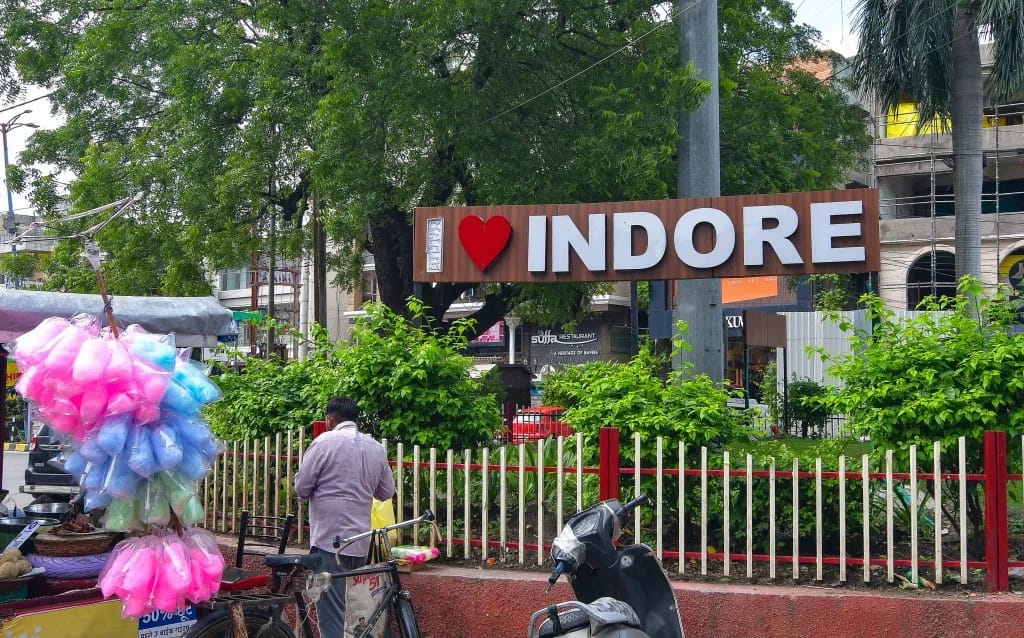
Indore, India
What feels distinct about your city right now? I live in a cosy little city called Indore, in India. I moved back here after spending a few years in larger cities such as Bengaluru. Indore has been opening up to new experiences like film clubs, book reading groups and a growing coffee culture. Board game nights are becoming popular, too. Many people have worked outside the city and are now back, eager to recreate those experiences, so they’re creating things for themselves. The city has a right-wing political culture that does not let the night culture grow.
Are there any emerging local trends or shifts? Food has always been a great part of the city. You will see a new cafe or restaurant opening every other day. Fine dining experiences are growing. Trends change quickly here, so I’ve seen a rise in coffee and matcha raves, and running clubs are gaining popularity. I love how people are blending different activities. There are also emerging women-only clubs and supper clubs. In terms of brands, once people experience something new, they tend to seek out familiar versions of it wherever they go. From my conversations while building a local brand, I’ve realised the internet plays a big role, people are influenced by what’s happening globally, and if you offer that locally, they’re eager to join in. I am still skeptical about taking up local clients as they don’t appreciate creativity or “branding” as such.
Barcelona, Spain
How does your city influence the way you think about culture? Barcelona is known for having social circles that rarely clash. I enjoy being able to dip my toes into as many as possible, breaking that unspoken rule and gathering the best from each side. And as the internet fragments into smaller niches and rooms, this ability to peek inside different spaces becomes increasingly valuable.
Are there any emerging trends/people/brands/movements that feel especially local? The fashion brands Paloma Wool and Gimaguas feel especially influential on a global level – from art direction to product. Beyond those two, it’s also worth mentioning Aurem Biaix, Carrer, Javier Guijarro, Espíritu Club, Onrush, Two Jeys and Nude Project.
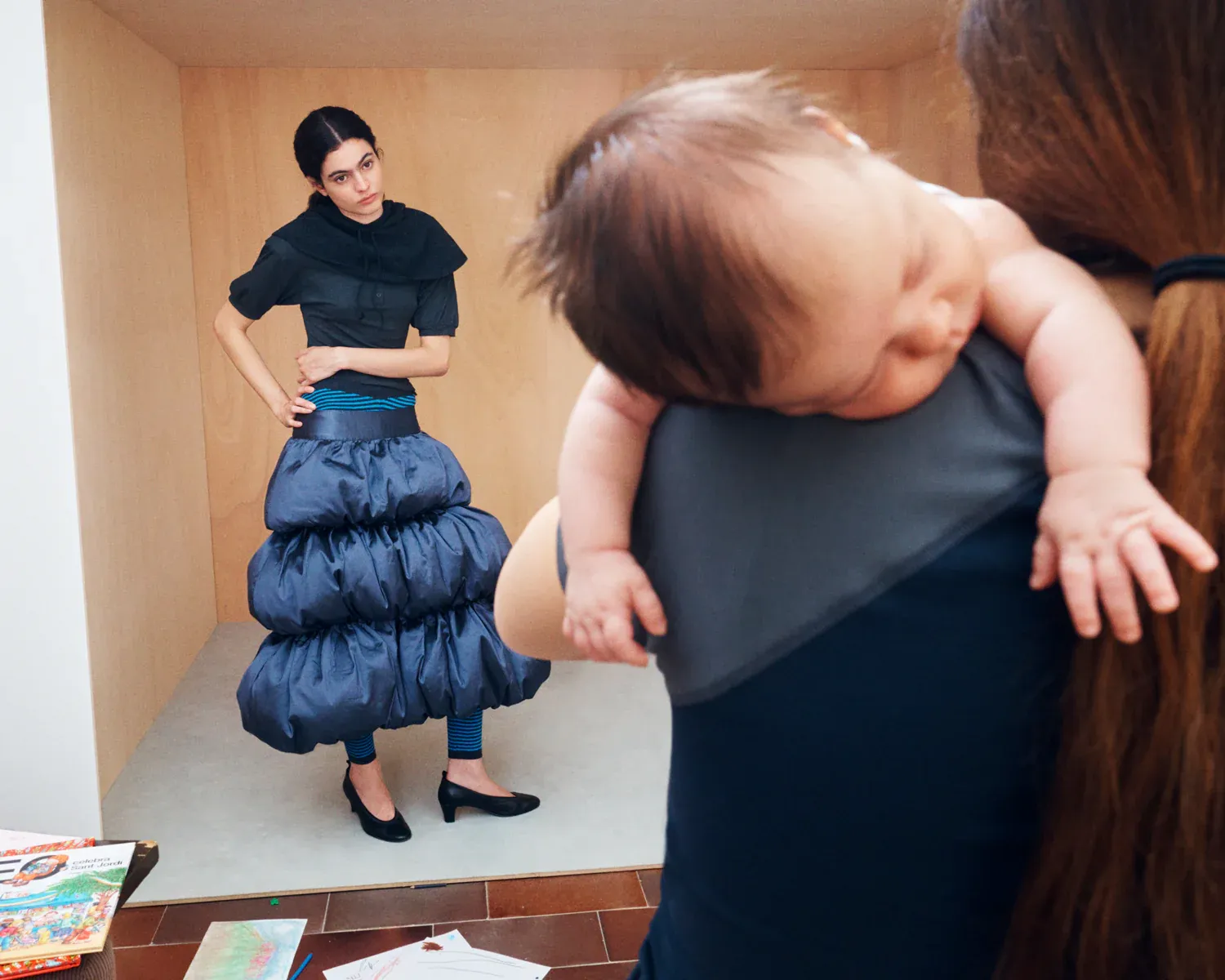
When it comes to people: 1) Designer and creative director Nicolás Barreto. He’s a former senior designer at Apartamento magazine and has a very singular way of seeing things. He recently started a local cineclub that’s attracting an interesting crowd to star in, film and watch amateur short films. It feels like one of the most genuine community-based events I’ve seen in a while.
2) Videographer and director Iván Salvador is defining a shift toward iPhone-first music videos. He’s worked with local star Morad and with Rojuu, handled Rosalía’s live TikTok/Instagram moment to release the LUX album cover, and created content for Balenciaga fashion shows. 3) Andrea Ramil. One of the leading image-makers working through styling, currently collaborating closely with Spanish artist Amaia and shaping her visual identity. She also does image consulting for local brands, alongside personal projects like her editorial The Youth, created in collaboration with photographer Pablo Escudero.
Berlin, Germany
What emerging trends or shifts feel especially local? 1) Dual careers: think engineer by day and cacao ceremonist by night. 2) Leisure farming: people are renting patches on farms or garden beds to grow their own vegetables. While experts sow and plant, tenants can tend and harvest their crops occasionally and enjoy the produce. 3) Fashion bland-ing: when it comes to how people dress, you cannot help but notice how similar everyone looks. This is perhaps true everywhere thanks to social media. Ugly chic also remains, but more minimal.
How does your city influence the way you think about culture? People are lonely, tired of being always on and looking for genuine connection. Brands have a chance to contribute by bringing people together in meaningful ways. And by this, I don’t mean hosting a rave in a cafe or a branded chess night. People are skeptical of anything that feels extractive, in Berlin and elsewhere.
Melbourne, Australia
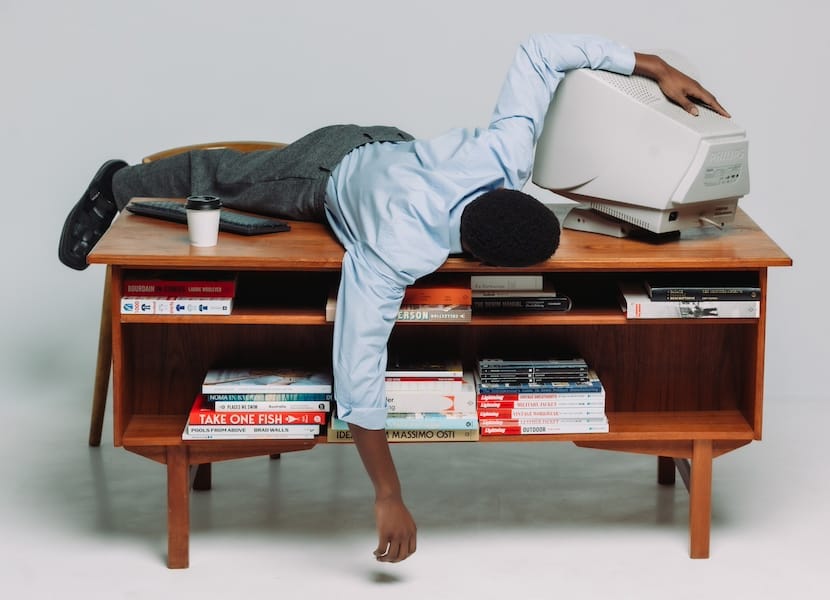
How does your city influence the way you think about culture? Seeing a lot of local creatives reject elaborate sets and dramatic storylines in favour of small, seemingly unremarkable moments that feel honest, analogue and unscripted – inviting viewers into fleeting glimpses of someone else’s life has inspired me to help brands do the same. It’s about romanticising the small, cherished details of everyday life.
Name a one or two people that stand out to you at the moment. I have two favourite people in the Melbourne scene right now – Ken Sakata, the Melbourne-adjacent founder of workwear brand Front Office, for bringing back a sense of appreciation for fashion manufacture and design. He’s a prolific content creator, who has found a dedicated digital following by chronicling, in exhaustive detail, the work that goes behind the design of his products, and by sharing in-depth, wonderfully nerdy video essays about the hidden details of vintage and utility wear classics. Secondly, painter Mark Bo Chu for his ability to bring to life, through his work, the mundane moments that make Melbourne special, injecting them with subtle undertones of awe and drama. From McDonald’s carparks to bottleshops and staff behind bar tills, his paintings perfectly capture the romanticised grit of the city.
São Paulo, Brazil
Are there any emerging trends, movements or shifts that feel especially local? When I think about art, fashion and music, I believe there’s a strong appreciation for local production. Galeria Metrópole, a gallery in the city centre, has become a hub for incredible brands and studios that are avant-garde and representative of today’s youth culture, such as Usejoias, Toca, Studio Cas and Vivao Project. More broadly, this desire to explore Brazilian production is exemplified by the launch of Rio de Janeiro Fashion Week in 2026.
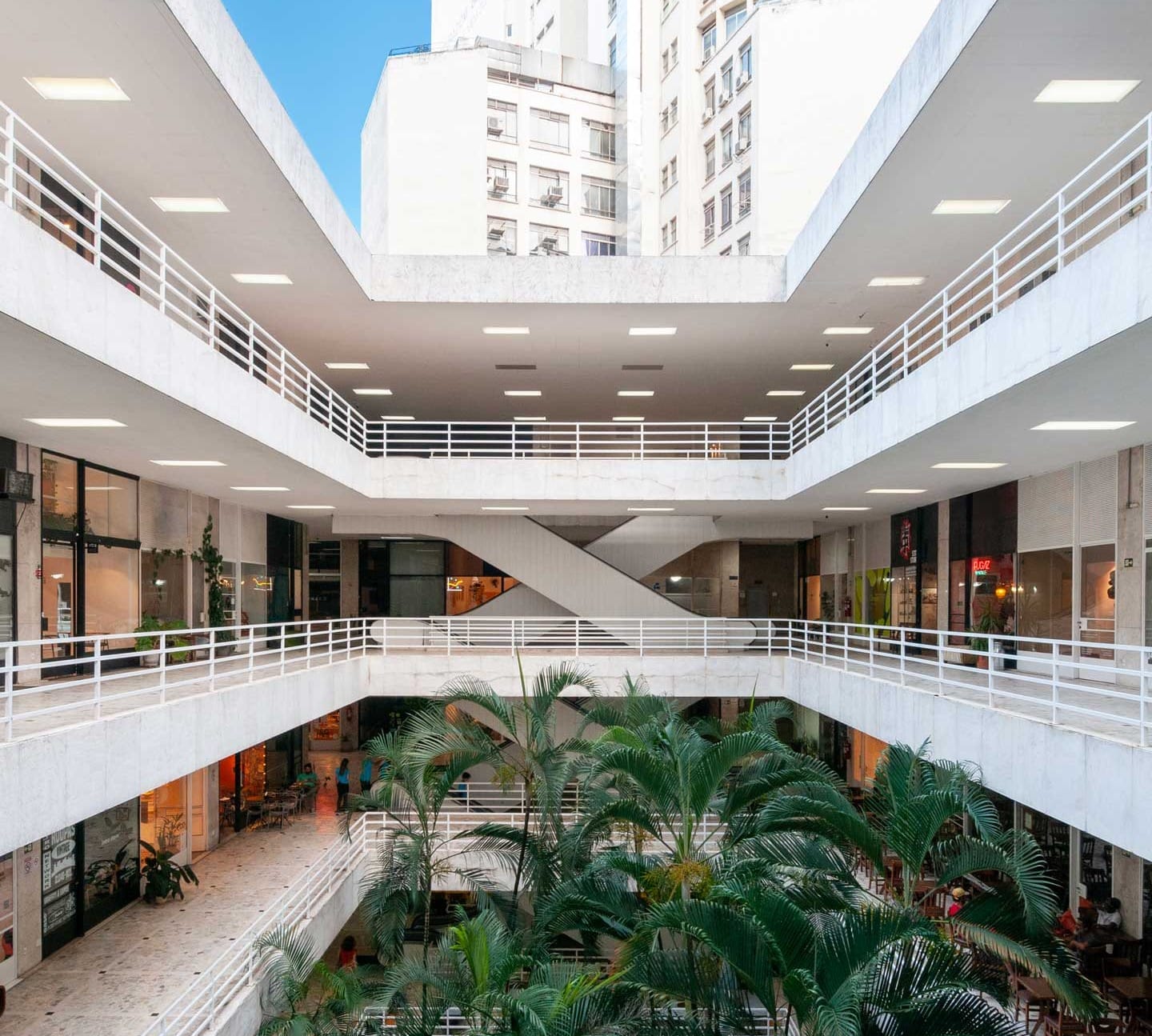
What brands/spaces/communities best capture the spirit of your city today? Discopédia is a party that fulfils this role incredibly. It’s a party that has existed for over 10 years, run and conceived by rap DJs, and it happens every Tuesday, with a focus on celebrating Black music. The DJ sets are 100% vinyl, and it’s an amazing party both to revisit songs we already consider classics and to discover young artists.
Rio de Janeiro, Brazil
What feels distinct about your city at this moment? There is a resurgence of a specific kind of "bohemian chic" that feels very native to Rio. A good example is Déjà Vu bar: it’s nostalgic without being retro. On the other hand, we have Destilaria Maravilha in the Downtown area. It represents a movement of reclaiming the city centre, a place to let loose and gather amid the historic architecture. The distinction of the city right now lies in this duality: the intimate, unpretentious elegance of the neighbourhoods versus the raw, urban energy of Downtown.
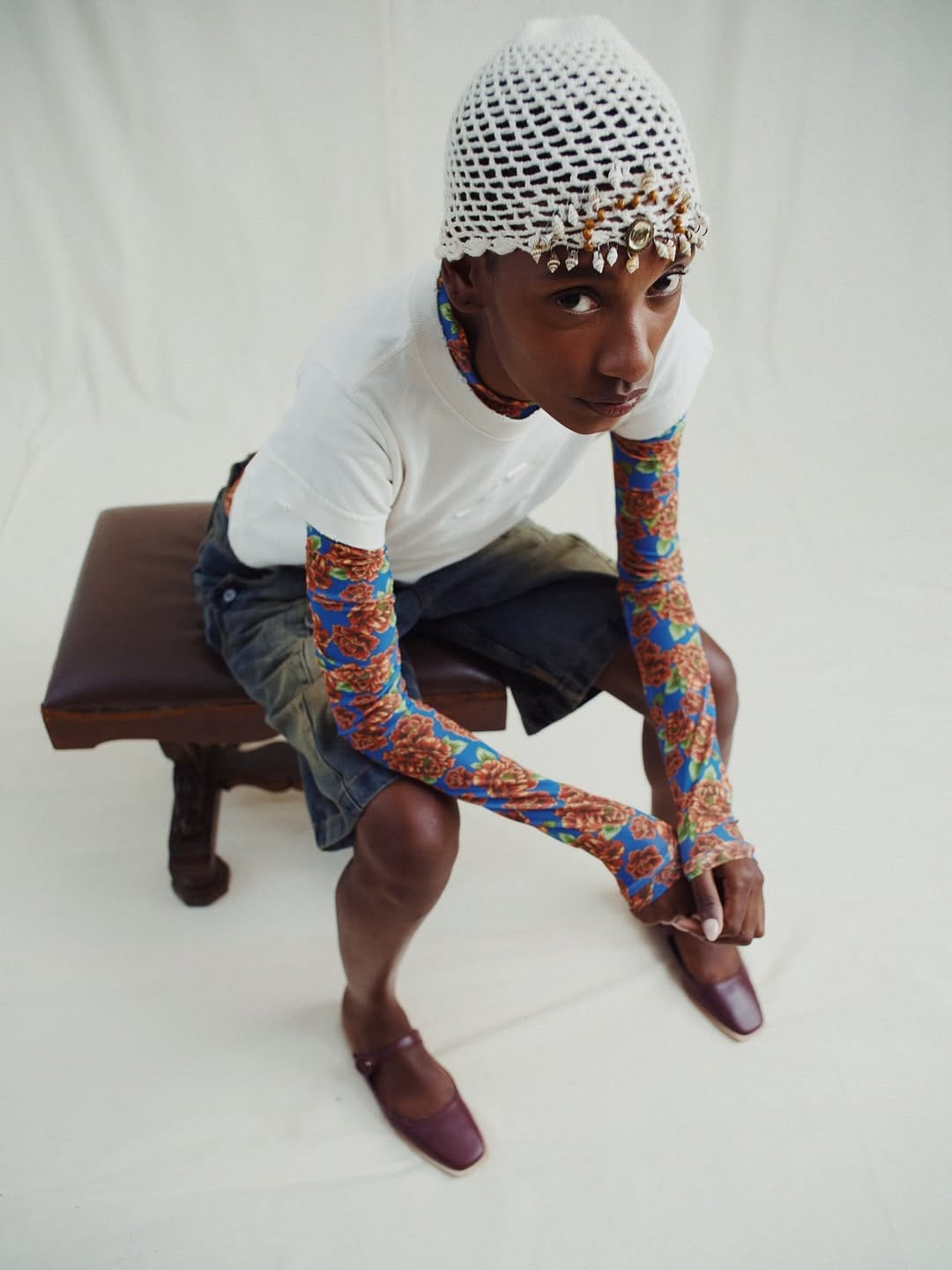
What brands/spaces/communities best capture the spirit of your city today? I’m seeing a powerful rise in Brazilian streetwear brands that focus on community and hyper-local codes. A brand that embodies this is BARRA. They capture a very specific Rio energy mixing the skate culture with the beach lifestyle in a way that feels raw and authentic. Elsewhere, Welcome Garments perfectly captures the spirit of a Rio summer: it feels fresh and hot but incredibly charming. It’s sophisticated but approachable. Alongside them, Ori stands out for translating our ancestry into contemporary visual language. Both brands understand that, in Rio, aesthetics are temperature-dependent; they design for the heat as a texture.
Mexico City, Mexico
Are there any emerging trends, movements or shifts that feel especially local? Social commerce is booming in Mexico City, but in a way that feels culturally specific. It’s less transactional and more relational. Brands are shifting from broadcasting messages to actively listening, interacting and co-creating with their audiences. Platforms such as WhatsApp and Instagram function as spaces of intimacy and trust, where consumers expect direct access and genuine dialogue. This has pushed brands to become more human and accountable: glossy campaigns matter less than responsiveness and presence. What’s interesting is how this digital shift is reinforcing IRL culture rather than replacing it. Pop-ups, workshops and physical experiences are increasingly essential extensions of online communities. Commerce here is built on relationships first, scale second, which feels aligned with the city’s social fabric.
Name a person or brand that stands out to you at the moment. Chava is doing really exciting things for Mexican fashion. Founded by Olivia Villanti, the Mexico City-based studio specialises in custom shirting, with every shirt made onsite. The in-person element is central, and increasingly aligned with what today’s consumer is craving. In an era of speed and overproduction, Chava’s approach feels almost radical in its restraint.
Irvine, California
What feels distinct about your city at this moment? People criticise Irvine for being a cookie cutter master planned suburban city that is completely devoid of culture and community. Everything is beige and nothing is cheap. Everyone dissed it growing up and itched to get out. But I'm back here now, and what I've found is that you have no crutches or shortcuts through proximity to coolness. That's not particularly valuable here. The upside about being in a place that values safety above all else is that people tend to care more that you're a safe person, not a walking pile of the right signifiers.
Are there any emerging trends, movements or shifts that feel especially local? Frugal, sober play in the workplace and beyond! My office, which contains a disproportionate number of chess players per capita, has been completely taken with mahjong. Lunchtime mahjong is already supplementing Monday game night. Through my church community, I went from not having played a single game during my adult life to learning Dutch Blitz, Rummikub, Catan and new types of Uno. Games play a similar social lubricating role as alcohol and create built-in conversation. In a manner similar to the peer pressure culture of drinking, many of us are too polite to say no, but the consequences of participating are far less taxing on the body the next morning (depending how hard you game).
New York, US
Are there any emerging trends, movements or shifts that feel especially local? I think the older tech/hardware obsession trend is really interesting. It touches on so many surfaces that seem to activate both the young and older generations. From iPods to PSPs, Walkmans, BlackBerry phones. There is a yearning for these specialised or even strange devices that feel less tethered to the only screens we are all glued to daily. It feels like we should have known this was coming when vinyl made a resurgence. There is a deeper discussion on nostalgia and stagnation, but I am one of the folks really excited about this development of unique hardware that allows us to use and touch the digital (especially when it comes to reviving old tech).
Name a one or two people that stand out to you at the moment. Mindy Seu – her work as a creative technologist, writer and artist is really inspiring. I went to her first show of A Sexual History of the Internet, and it was one of the coolest experiences I think I have ever had with my phone since I was a teenager. Her work also kind of showcases the way I see the world.
Chandigarh, India
What brands/spaces/communities best capture the spirit of your city? The Underpass has emerged as an important place in recent years where art, music and movement intersect. Functioning as an extension of the Rose Garden, it continues Chandigarh’s tradition of gardens and parks as social connectors – third spaces that bring people together beyond the rigidity of the city’s grid.
How does your city influence the way you think about culture? Chandigarh has always been a safe space for recharging my creative energy due its laid back nature. The city has shaped my thinking through its pace more than its spectacle. It’s a city of loyalists – people return to the same places, keep the same circles and eat at the same spots for years. There’s comfort in this repetition, a sense of continuity that’s rare in faster cities.
Catch up on Inside SEED CLUB #1, #2 and #3, and order your copy of Protein JOURNAL here.
| SEED | #8397 |
|---|---|
| DATE | 31.03.26 |
| PLANTED BY | PROTEIN |
