

Craving Aliens

Why the rise of extra-terrestrial life in culture signals fresh territory for bold brand storytelling.

Earlier this year, in what felt like a blink-and-you-missed-it moment of a podcast interview, Barack Obama casually dropped that “aliens are real”. The aftermath was even more extraordinary: Donald Trump condemned him for leaking classified information, prompting Obama to clarify his statement, then Trump directed his administration to release government files on the matter.
Not long after, it emerged that the US government had quietly registered the domains aliens.gov and alien.gov. Elsewhere online, bets on whether officials will formally confirm extra-terrestrial life by 2027 have been picking up momentum across Polymarket and other prediction markets.

The search for extra-terrestrial life has been quietly accelerating, with recent scientific breakthroughs nudging the odds ever so slightly in our favour. Using the James Webb Space Telescope, researchers have picked up possible signs of life-related gases in the atmosphere of a distant ocean world. More recently, scientists at Cornell have begun modelling what “purple” life might look like through a telescope, proposing that on planets orbiting cooler red stars, organisms could evolve pigments in place of chlorophyll.
In other words, when it comes to finding life beyond Earth, purple might just be the new green. Other researchers have been scanning for the consequences of technology rather than life itself: pollutant gases, giant orbital structures, artificial lighting. The search is splintering into stranger, more speculative directions, and inching us closer to something like an answer.
All of which lands at a strangely perfect moment for Steven Spielberg’s upcoming film, Disclosure Day. As the case for extra-terrestrial life drifts out of the realm of fringe theory and into something more conceivable, so too does the imaginative space around it begin to shift. The film centres on humanity finally confronting the truth about alien life – and Spielberg feels like the inevitable conduit for that story. From Close Encounters of the Third Kind to E.T. to War of the Worlds, he’s long understood that any conversation about aliens is really a mirror held up to ourselves. Now, that reflection feels more complex, fractured and relevant than ever.
While aliens used to be viewed as aggressors and invaders, the idea of them as friends, even saviours, has been making its way into cultural storytelling. In times of climate turmoil, AI disruption and a geopolitical order that feels increasingly hostile, the classic tropes we’ve attached to aliens have started to seem almost quaint. The idea of them as a threat represents a simpler anxiety for a simpler time, when the real danger wasn’t humanity itself. This wave of pro-alien stories may signal a wider moment in popular culture: a yearning for an external force to undo the wreckage we’re doing to ourselves, here on Earth.
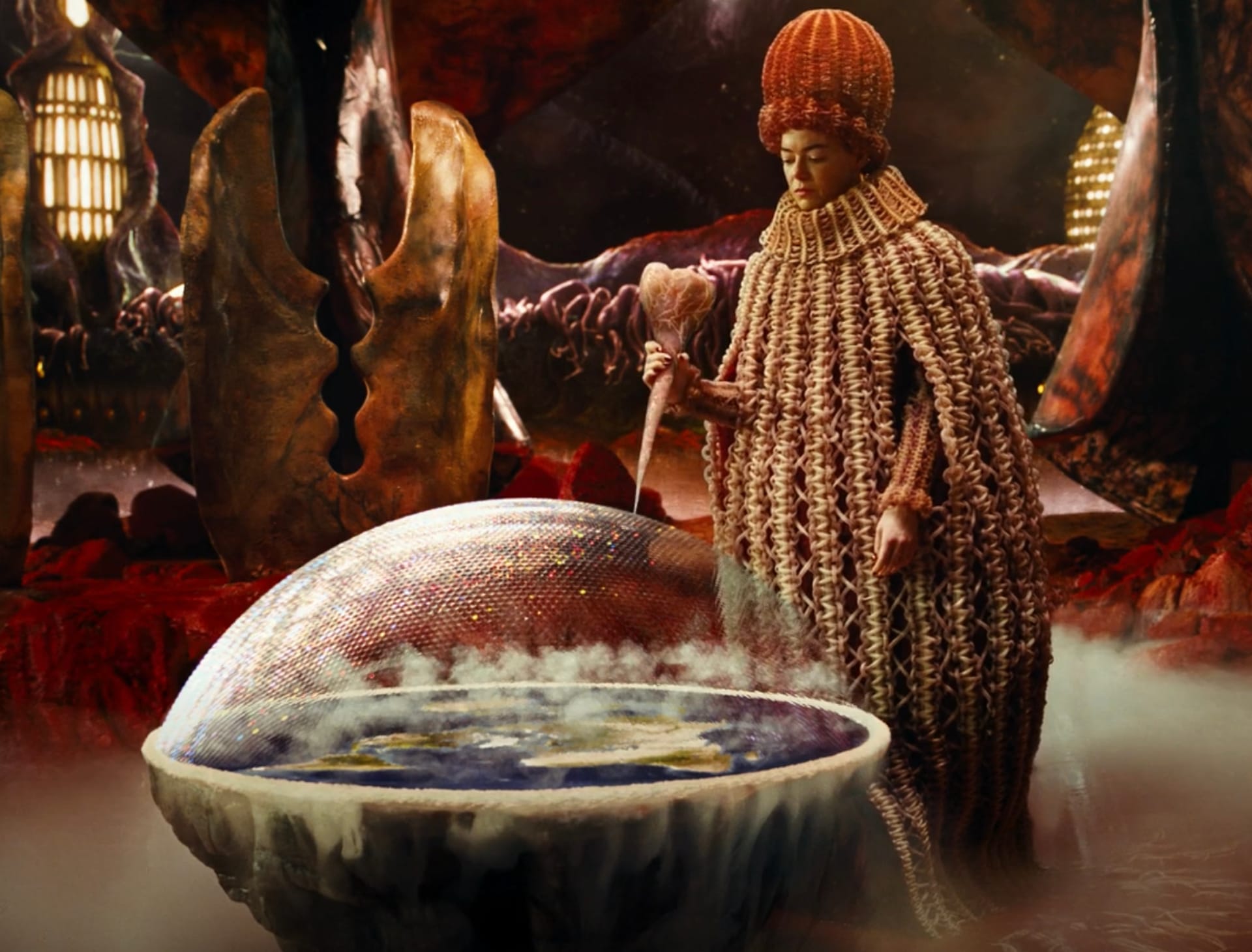
The shift has been showing up in recent film and TV. In Yorgos Lanthimos’ Bugonia (2025), a conspiracy theorist kidnaps a CEO believing she’s an alien with an agenda to wipe out bees. The alien escapes to her ship, deems humanity a failed experiment and decides to wipe humans out, freeing bees from our climate harms. Mickey 17 follows a disposable human clone on a colonial mission, where the native aliens turn out to be peaceful and empathetic.
In the Apple TV series Pluribus, an alien virus has merged almost all of humanity into a people-pleasing hive mind, offering a counter-narrative to the classic trope of aggressive invasion. In the latest sci-fi blockbuster, Project Hail Mary, a human sent on a space mission to save Earth ends up collaborating with an alien on the solution. The film’s portrayal of Rocky, a five-legged alien engineer on the same solo mission to save his own planet, is perhaps the most genuinely alien companion cinema has ever asked us to root for. Its friendship with the human astronaut develops across a complete language barrier and ends up being the emotional heart of the film. This allyship could even be read, as some have, as a parable of empowerment, to form unlikely coalitions to save a planet in crisis.
The evolution in how we tell stories about aliens is itself proof of the power of sci-fi to reframe our narratives around the present (as we explored in the We’ve Never Needed Sci-Fi More SEED). Sci-fi storytelling doesn’t just speak to our own futures, but also to our relations with the more-than-human, and the species we’ve not yet encountered.
Beyond popular sci-fi, the signs of pro-alien sentiment in culture are already among us. Look at the rise in popularity of musicians like FKA Twigs and Arca, whose visual worlds are built around aesthetics that eschew conventional humanity. Then there’s the new wave of immersive installations by tech-driven artists such as Refik Anadol, whose vast, endlessly morphing visualisations appear less like art and more like a non-human intelligence. In brand visuals and storytelling, alien aesthetics are more emancipated than ever: Zendaya as a space-elf in Nadia Lee Cohen’s film for On Running. Thom Browne SS26 at PFW. The ever-expanding Alien perfume line by Mugler. The ongoing appeal of the “alien core” beauty look on TikTok, as a counter-point to the sanitised “clean” look. Pinterest Predicts naming “Extra Celestial” as one of its trending aesthetics for 2026.
For brands looking on, the message is that experimentation with the uncanny and otherworldly is becoming more, not less attractive, while remaining largely underexplored outside of beauty and fashion. This creates opportunities for less conventional categories to claim new expressive territory, by leaning into the resulting friction rather than smoothing it out, which we have argued is no longer a flaw but a feature of the most resonant brands.
For food and beverage brands, this could mean deliberately unconventional flavours. In wellness, immersive experiences that transport you to another planet. In consumer tech, a device that resembles an otherworldly artefact. The common thread across all of these is a willingness to make something intentionally unfamiliar that couldn’t have come from anywhere else in their category.
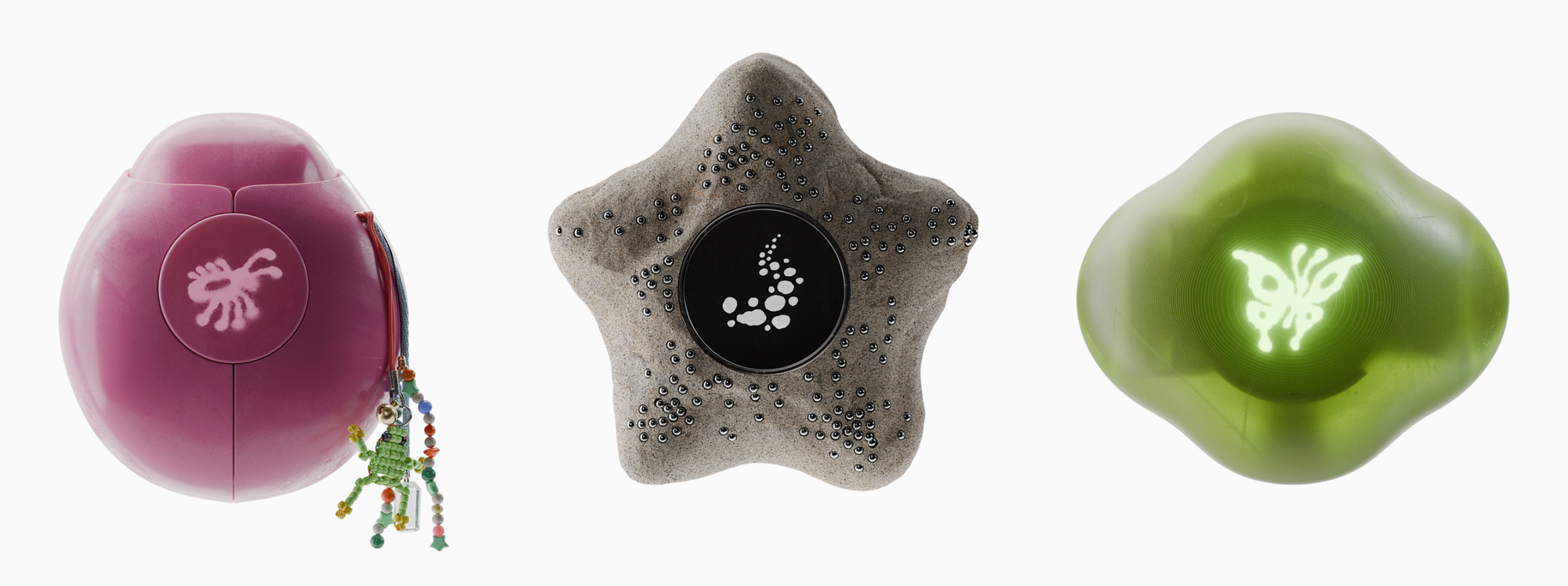
In a time dogged by creative homogeneity and a disillusion with our own species, our cultural appetite for the alien is larger than ever. The brands that will do something meaningful here are the ones that can convincingly infuse sci-fi literacy into their world-building, while embracing bold, iconoclastic storytelling and creative risk-taking with no universal playbook.
| SEED | #8399 |
|---|---|
| DATE | 07.04.26 |
| PLANTED BY | PHILIP TEALE |
