In tune with the prominent discourse around logging off, there’s a burgeoning interest in tools that demonstrate how we can use our devices differently: amplifiers of our senses and surroundings, rather than black holes that draw us away from them. 

We’re seeing this refreshed connection with nature across culture more broadly, whether that be podcasts like ‘Digging With Flo’, hosted by NTS Radio's Flo Dill, who invites different artists to her allotment for a patch of gardening, or Kamryn Renae, the viral long-distance hiker, who’s trekking the 2,650-mile Pacific Crest Trail solo, and adorned exclusively in pink gear. 

The common thread to this new generation of brands and technologies is how they lean into playfulness: Modem's Terra cultivates a sense of mystery and adventure; Merlin is the Pokémon Go of birdwatching; BIRD toys with the secret knowledge hidden in nature; and Glitch gamifies growing for a greater good. It would be remiss not to pay an honourable mention to Touch Grass, which locks certain apps until you literally go outside, touch grass, and submit a photo of you doing so. 


Terra: Destination Unknown 

0:00
/0:16

Terra by Modem

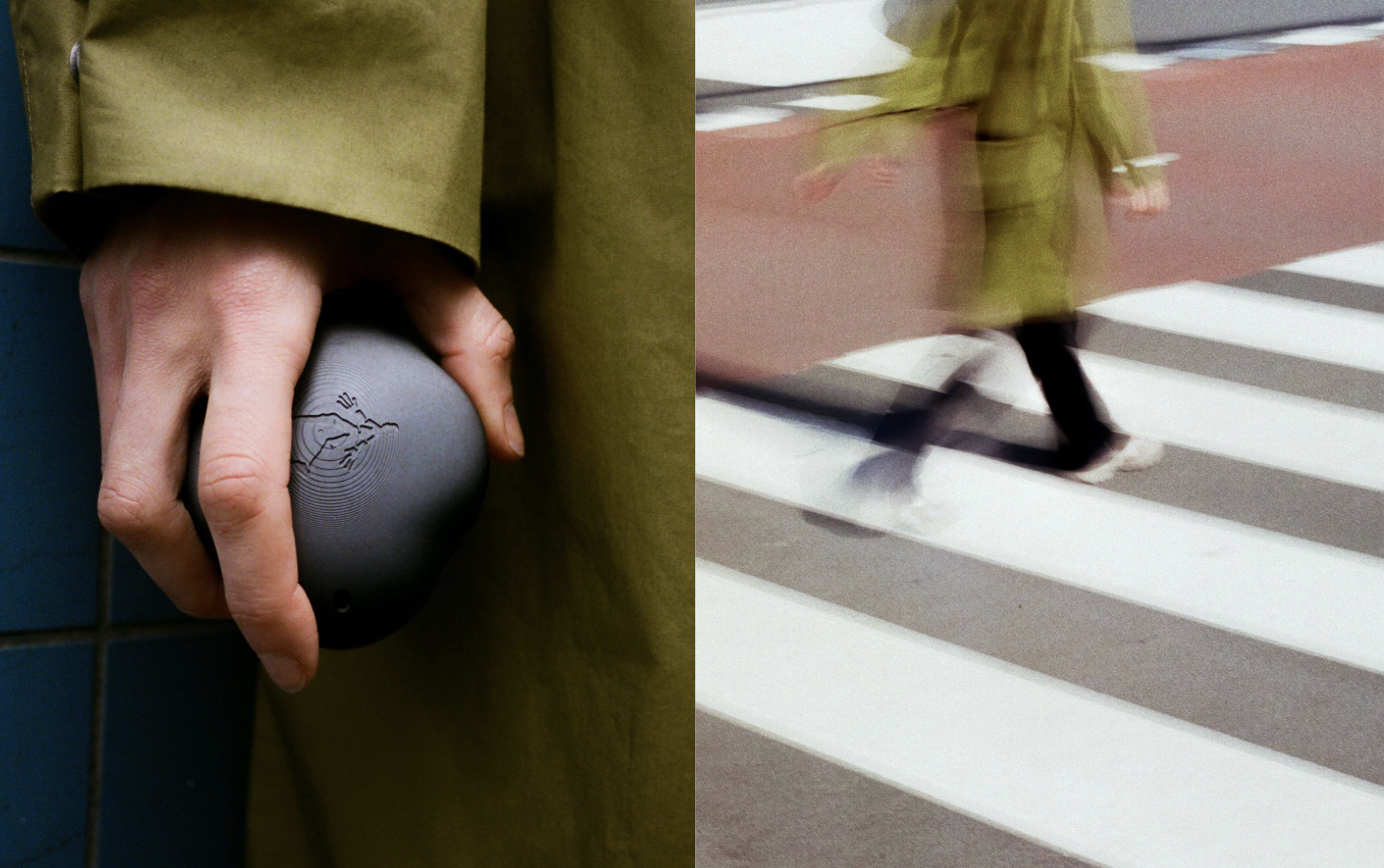
Developed by innovation studio Modem, in collaboration with Panter&Tourron, Terra is a lodestar that ‘translates your intentions, available time, and precise location into a tailored trail of GPS coordinates.’ The stone-like device fits perfectly into the human palm, its surface reminiscent of a sea-smoothed pebble. With a minimal interface that features only a compass needle and haptic feedback, users’ focus is centred on their environment and ‘reclaims the walk as a restorative act’. 

GPS apps rely on the user inputting an end location to devise a route, but with Terra the final destination remains unknown to the user until they arrive, guided by the location, desired duration and feelings they pre-programmed the device with. What is promised, however, is a return to the starting point and a more mindful journey. 

'Not all those who wonder are lost', Terra by Modem

Inspired by DIY culture, the Terra project is open source and requires users to build the device for themselves, with the software and hardware components, and 3D-printable shell files, available from GitHub.

Strategic consideration: How can you support people’s intentions and emotions in experiences that are often distracting and disembodied? 

Merlin: Heightened Senses 

Merlin Bird ID by Cornell Lab

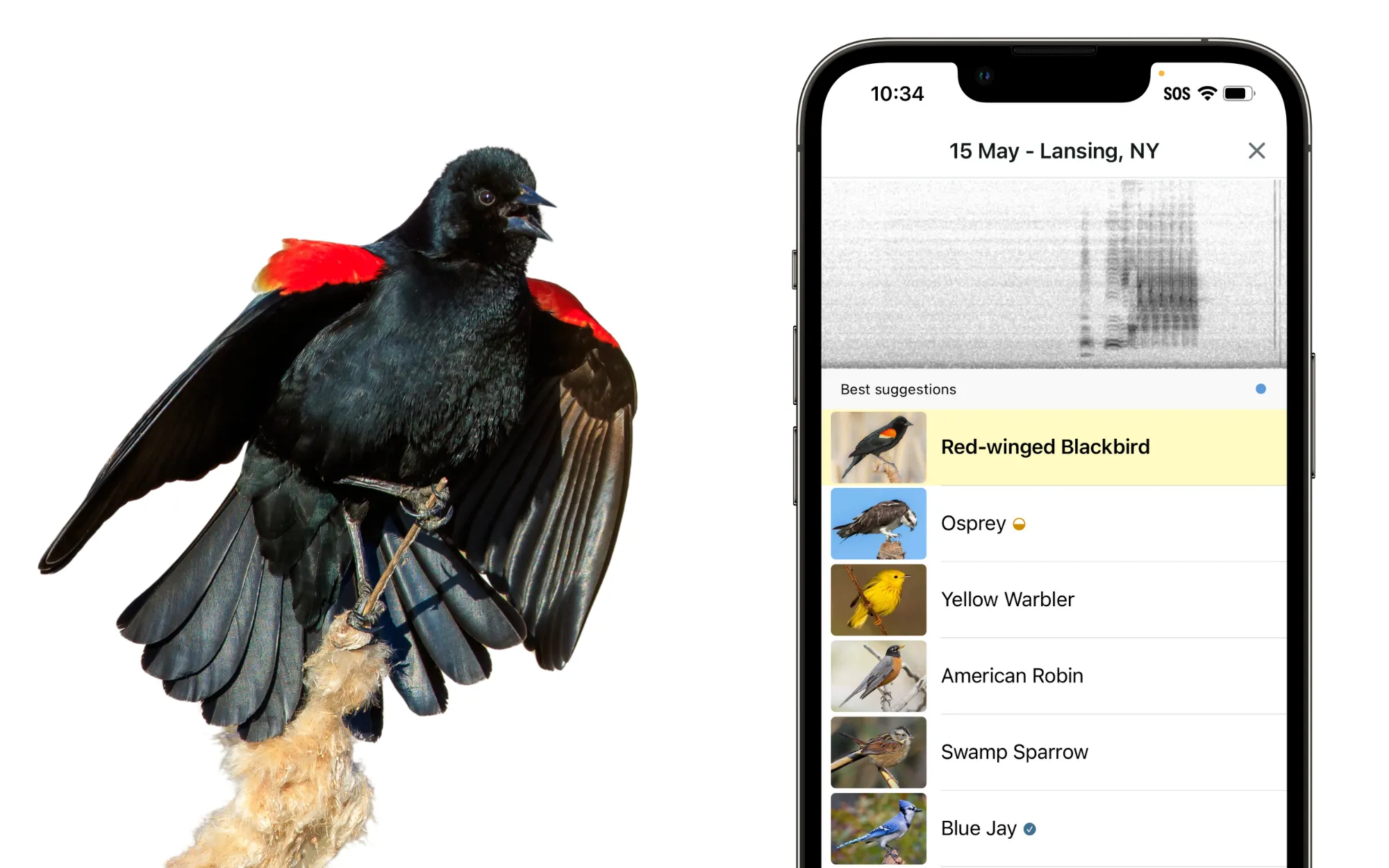
The Merlin Bird ID app demonstrates how machine learning doesn’t have to decay our knowledge; it can in fact grow our understanding of the natural world. Hatched in the Cornell Lab of Ornithology in New York, Merlin identifies birdsong and the species singing, allowing users to track all the different birds they’ve heard in a Life List. Downloaded more than 40 million times in 240 countries, the Shazam of birdsong shows there’s a deep desire to better understand our environment and its inhabitants.  

In SEED CLUB, Anna Rose Kerr explained how the app acts as an extension of our own ears, just as you’d use the zoom function on your camera to take a closer look at something. At the time of her post, her Life List had 94 species on it, with her favourite bird of all time being a cassowary. 

Anna Rose Kerr in SEED CLUB

In response, Noelle Weaver shared that alongside Merlin, she’s downloaded ‘Picture This for identifying plants, Picture Insect for identifying all the little creatures in the garden and Lens Scan for just about anything - together they feel like having living museums in my pocket’. 

Merlin helps people learn more about what they encounter in nature, as well as notice things they might otherwise miss. As Lucy Aldous added to the SEED CLUB discussion, even though the app lives on your phone, it doesn't feel like being online because it enables quite the opposite. Some users shared how at first, they wondered if the digital nature of Merlin might prevent them from truly absorbing knowledge and developing their identification skills, but they were glad to quickly be proven wrong.

For today’s youth, birdwatching was fading out as a hobby, but recently, bird sanctuaries have been experiencing an influx of younger visitors, with data showing Gen Z birdwatching numbers have risen tenfold since 2018. Voices such as wildlife ranger Lira Valencia – @outsidewithlira – and Flock Together, a birdwatching collective for people of colour, reflecting and supporting this birdwatching boom. 

Strategic consideration: How can you help people pay better attention to the world, rather than trying to steal their attention away from it? 

BIRD: Webcam Wisdom

BIRDcam

Discussing her experience at the AIXDesign Festival in Amsterdam, Anna Rose Kerr highlighted the work of creative technologist and researcher Gaston Welisch, who brought a healthy dose of birdwatching to the event, both in ancient and emerging forms. The former via an augury walk, the Roman practice of observing birds in order to receive omens, and the latter via the Bird Information Remote Divination, a.k.a. BIRD. BIRD is a ‘webcam augury’ enabling anyone to watch birds through public webcams. The directions are simple: 

  1. Choose your webcam 
  2. Ask the augur a question
  3. Wait and observe the birds 
  4. Respond to the augur’s questions about what you see and feel 
  5. Receive your fortune 
'Augury Bird Walk, A Practical Zine' by Gaston Welisch

Running along the top of the webpage is a banner with rolling updates of the Dow Jones, FTSE 100, and the like. You don’t notice it at first, too excited by the prophecy a pigeon may bring, but as you patiently wait for the birds to give you an answer, the presence of the ever-fluctuating stock market comes into view. But click a button located in the bottom-left corner labelled ‘Esoteric Mode’ and the index transforms from streams of neoliberal data to live reports of bird sightings: 35 European Starling, Sturnus vulgaris, 4 hours ago, Borough Market; 1 Eurasian Wryneck, Jynx torquilla, 5 hours ago, Beddington Farmlands; 1 black swan, Cygnus atratus, 5 hours ago, Hyde Park and Kensington Gardens. To switch back, click the button now labelled 'Rational Mode'.

Strategic consideration: How could you apply traditions to technology, and provide a new and playful way to interpret the world? 

Glitch: Pocket Garden

'Our best machines are made from sunshine', Glitch

In an interview, nature rights activist and technologist, Kalpana Arias, shared how Legacy Russell’s Glitch Feminism made her rethink the word glitch, ‘not simply as an error, but as an opportunity to disrupt existing systems and imagine different, softer and more liberatory relationships with technology and the world around us’. Inspired by the potential to design a digital product that amplifies rather than reduces our connection with nature, she founded Glitch, an app that allows users to learn about local greenery, gardens and wildlife, as well as communicate with like-minded people on the platform. There are also features to plant cyber trees and learn practical, nature-based skills.  

Developed by Pitch Studios and Nowadays on Earth, the app is a test bed for how tech can grow new futures. As Glitch explains, 'gardening isn’t just about shovels anymore. It’s code, dreaming, and placemaking.' A chance for people to 'Hack the city from the ground up.'

Partnering with JCDecaux UK's Community Channel, Glitch launched a playful campaign over summer, with their aptly named bug-billboards inviting passers-by to scan the QR code it displayed for the chance to win prizes such as cabin stays and festival tickets. 

While Glitch uses technology to gamify nature, the end goal is to turn play into tangible action rooted in the real world. ‘When someone plants a cyber tree through augmented reality, it is not only a digital tree. It also creates a location marker showing where someone would like to see more nature.' Arias explains. From here, Glitch outlines the information and steps required to bring more greenery to the space, such as the terrain and council permissions. It then compiles a dataset to guide Glitch’s relationships with local governments, organisations and developers, and helps to co-design planting plans. Glitch already has planting sessions based on this dataset planned in London and Brighton this autumn, collaborating with the National Trust and local residents. 

0:00
/0:27

How Glitch came to life: 'we used AR tech to anchor these digital blossoms in real locations. each tree you plant is a data point on our map, showing where communities want more green. this map grows into a collective vision of a greener city.'

Glitch not only reflects how technology can be used to enhance ecology, rather than destroy it, but it also provides an accessible way for people to develop their nature education. Since Glitch is grounded in users’ own localities, they can see the real impact they’re making around them.

Strategic consideration: How could you build tangible rewards and outcomes in your brand experience that culminate in a bigger initiative?

SEED #8443
DATE 10.09.26
PLANTED BY PROTEIN