For decades, the idea of British identity, and the brands that expressed it, was largely fixed and predictable: defined by tradition, hierarchy and well-worn symbols of national pride. Today, that is no longer the case. A new wave of creators and companies are reshaping what it means to be British, blending heritage with experimentation, wit and a willingness to embrace contradiction.
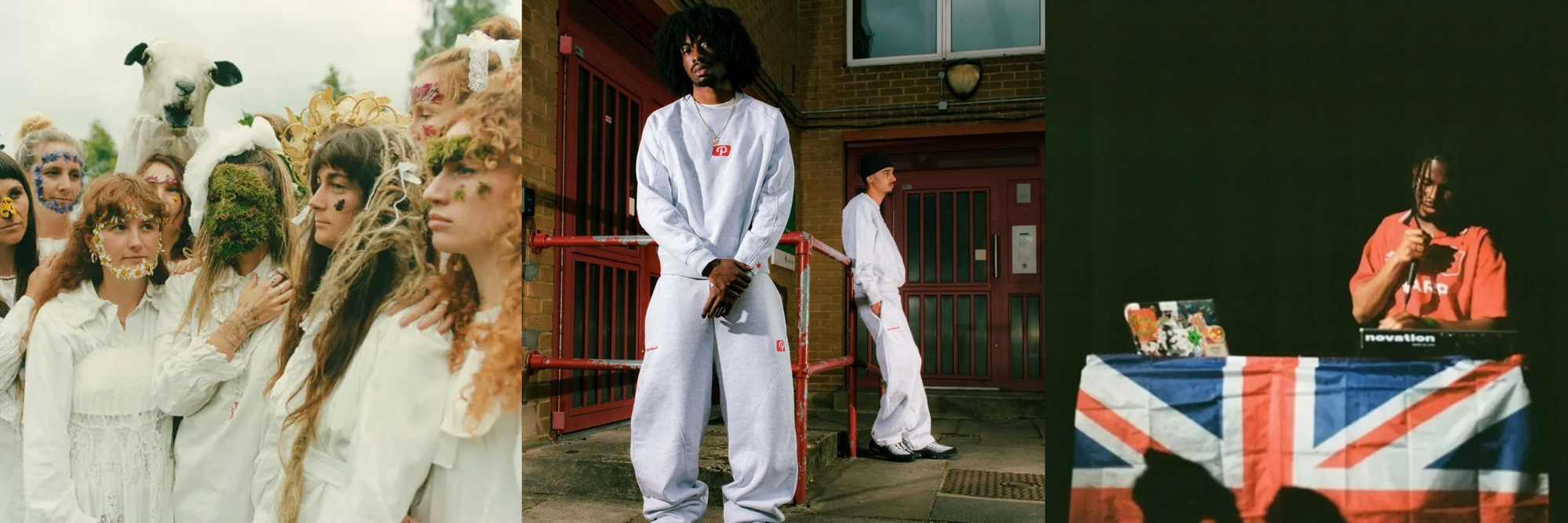
From the observational photography of Martin Parr to the ritualised, seasonal fragrances of Ffern, the streetwise ingenuity of Protect, the genre-defying music of Jim Legxacy, and Burberry’s reinvention of classic codes under Joshua Schulman and Daniel Lee, contemporary Brand Britain is more plural, fluid and self-aware than ever before.
Ffern; Protect; Jim Legxacy
As we previously covered in The New Soft Boys with Corbin Shaw, these makers and brands reinterpret familiar symbols – Union Jacks, trench coats, village fetes, even the simple act of wearing a reversible jacket – and infuse them with new meaning, often playful, sometimes subversive, always culturally literate. They demonstrate that Britishness is no longer a static heritage to be preserved, but a living narrative shaped by creativity, identity and social context. To connect with audiences today, Brand Britain must be dynamic, nuanced and willing to surprise.
Martin Parr
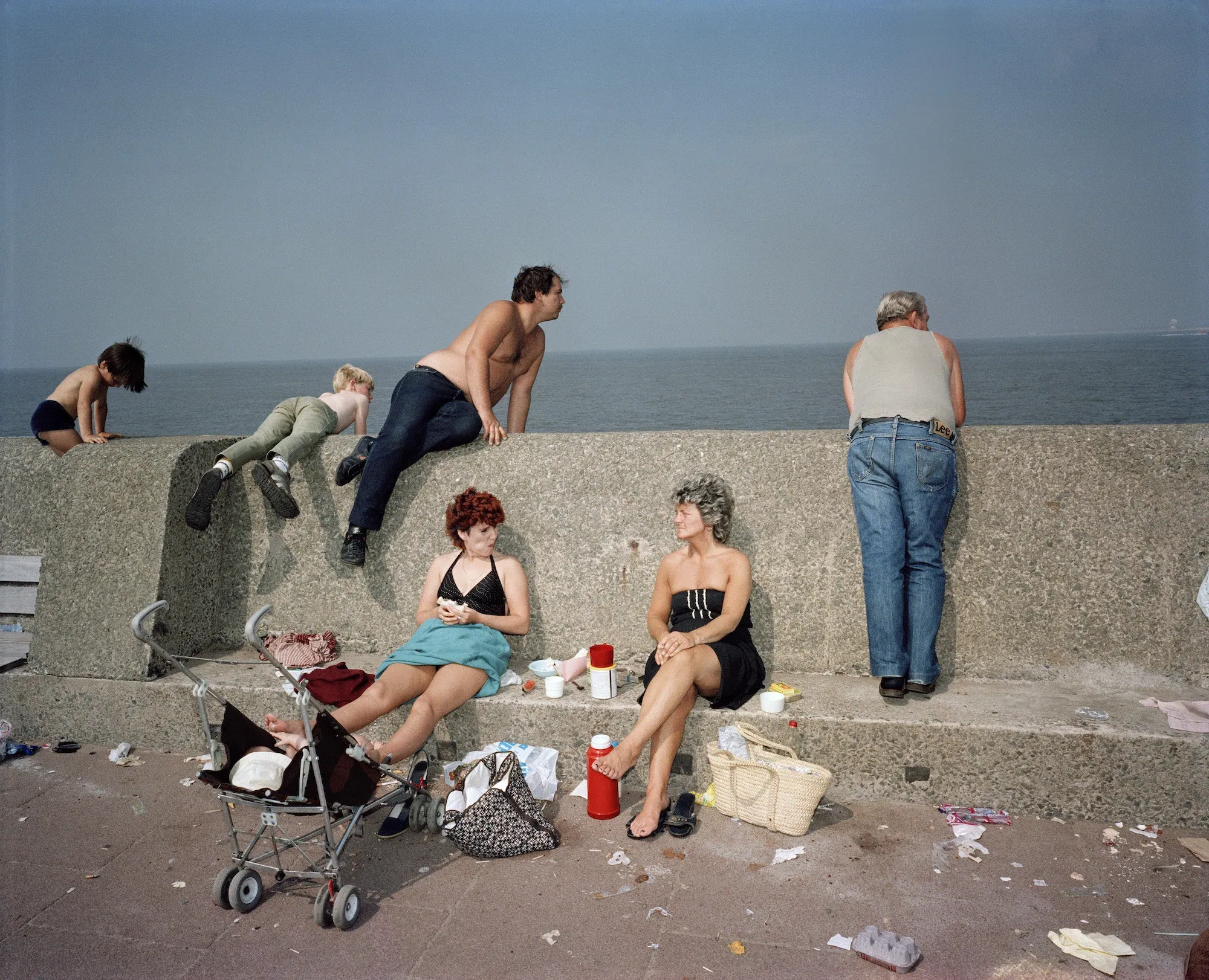
No one taught Britain how to look at itself quite like Martin Parr. The late Surrey-born photographer didn’t just document British life; he reframed it, turning leisure, awkwardness and bad taste into something confrontational, funny and quietly radical. His images made icons out of ordinary people and revealed a nation obsessed with class, ritual and self-performance. Long before “authenticity” became a branding buzzword, Parr was interrogating who Britain really was – and who it was pretending to be.
Class and patriotism sit at the centre of Parr’s gaze. His highly saturated, hard-flash photographs of Young Conservative conferences, village fêtes and St George’s Day parades don’t mock Britain so much as expose it. The humour is sharp but never lazy, often tucked into the corner of the frame, forcing the viewer to confront the contradictions of national identity: pride and embarrassment, tradition and decay. Parr’s Britain is recognisable, but never comfortable.
Copyright: Martin Parr
This sensibility crystallised in The Last Resort (1983–85), Parr’s defining series shot on the beaches of New Brighton, Liverpool. Against the backdrop of economic and emotional strain, sunburnt bodies, littered sand and cheap pleasures revealed both the toughness and tenderness of the nation. As Parr put it, “You can read a lot about a country by looking at its beaches” – a reminder that the most revealing brand truths often emerge in shared, unfiltered public spaces.
Before Parr, Brand Britain leaned heavily on politeness, pomp and pageantry. He punctured the myth. Even when photographing cucumber sandwiches and village greens, Parr refused to smooth over the uncomfortable edges. His work showed that Britishness didn’t need refinement to be valuable – that awkwardness, excess and contradiction were the point. It’s this unsanitised gaze that makes his photography such a vital cultural record.
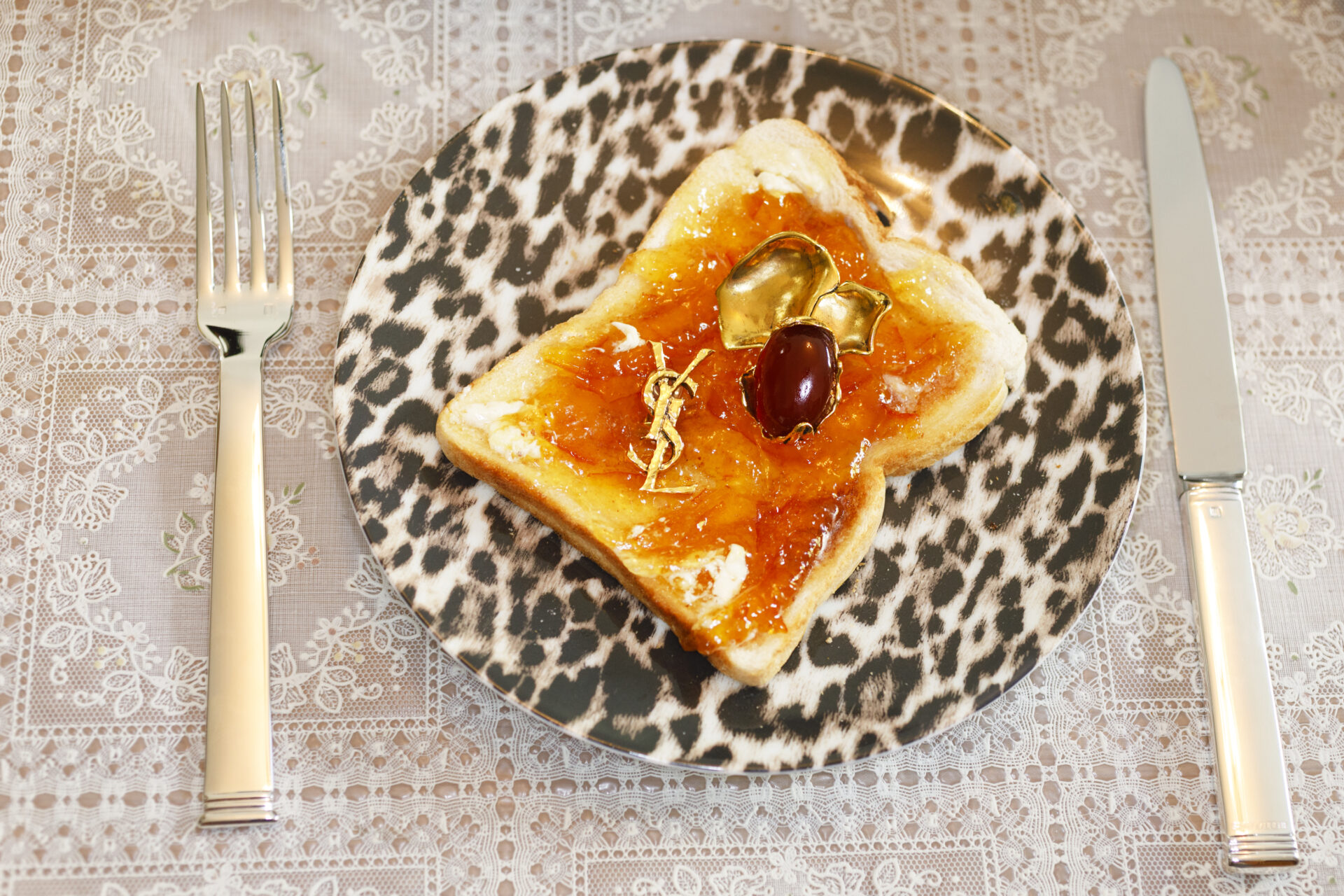
Unsurprisingly, Parr’s visual language has been widely borrowed by brands seeking a more knowing, contemporary Britishness. Wolff Olins’ 2025 Lloyds rebrand leaned into Parr-esque cues: candid close-ups of ice creams, umbrellas, pints and fry-ups designed to signal warmth and familiarity without nostalgia. Others have gone straight to the source, with Fortnum & Mason, Gucci, Saint Laurent and Louis Vuitton all collaborating with Parr to express a distinctly British blend of charm and strangeness.
Copyright: Martin Parr
Takeaway: In a moment when Brand Britain is being redefined – less polished, more plural, and far more self-critical – Parr remains essential. Not as an aesthetic shortcut, but as a strategic reminder: the future of British identity doesn’t lie in tidying up its image, but in learning how to sit confidently with its mess.
Protect
Protect is a London-based fashion brand, founded in 2022, threading the streetwise energy of early 2010s London with a wry, political edge. Its pieces speak to a generation disillusioned with the usual tropes of Britishness, yet still deeply rooted in place, community and pride.
Protein AGENCY provides insight, foresight and strategy for global brands that's rooted in culture and the collective knowledge of SEED CLUB - our decentralised research community of 500+ global experts.