

2025 Reflections

The ideas that travelled furthest, resonated the deepest and created the most impact.

We started the year with Dead Internet Theory. Written by Rupert Russell, it revisited a deceptively simple question that we first asked in 2013 – “Are real people posting online anymore?” – tracing the takeover of AI bots, automated content and algorithmic slop, and quietly unsettling how we understand online life, attention and what counts as human presence on the internet.
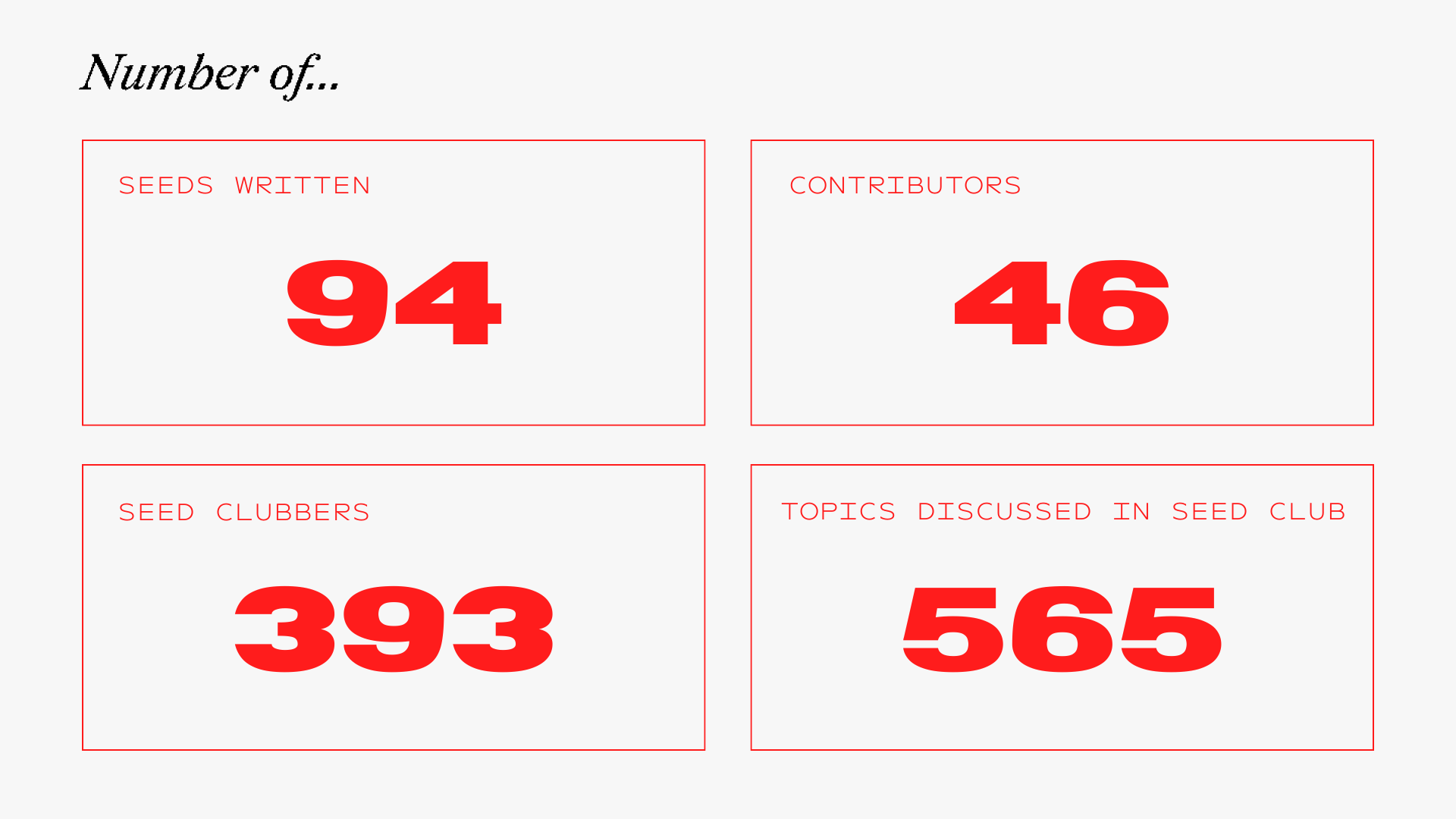
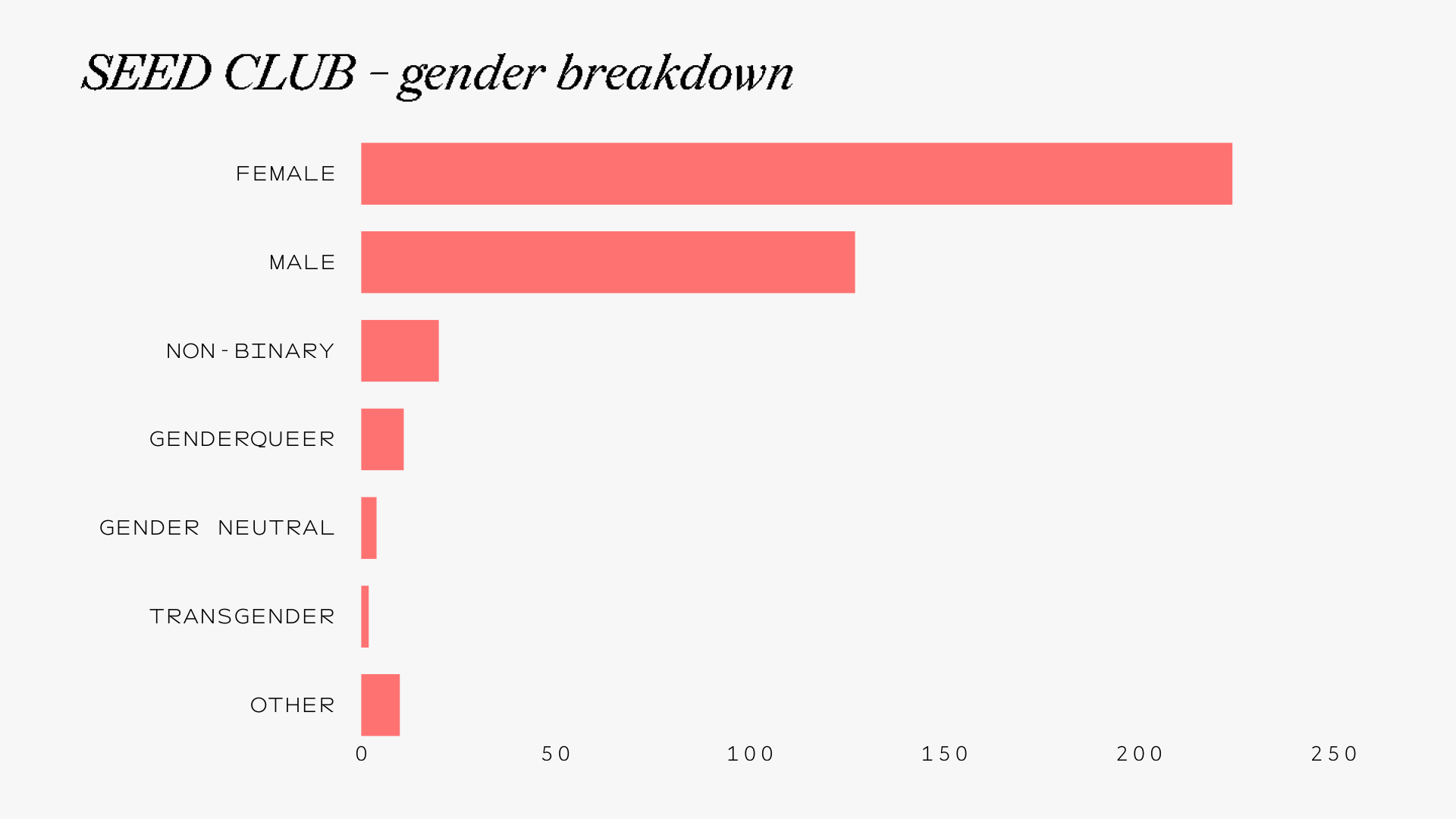
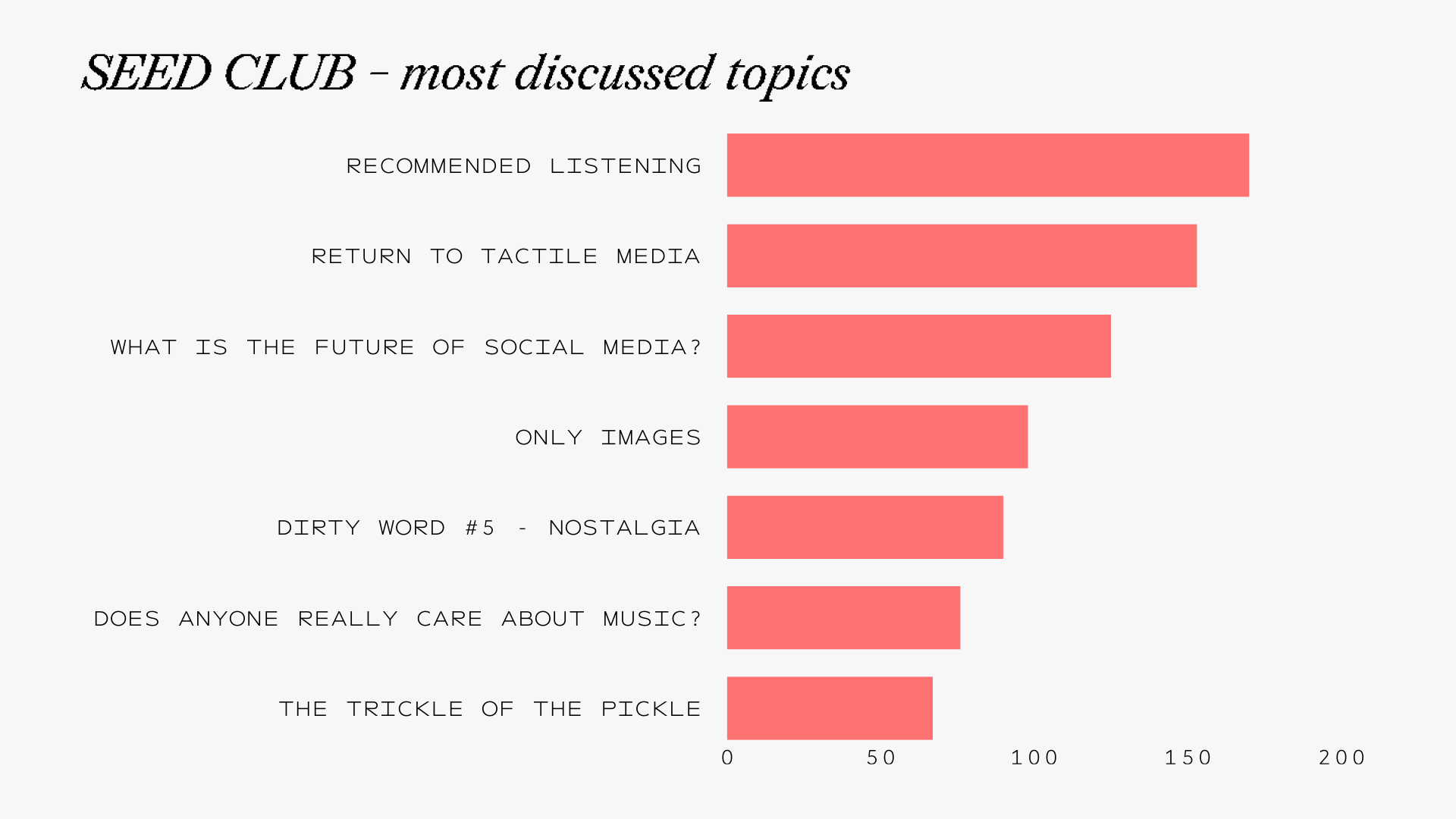
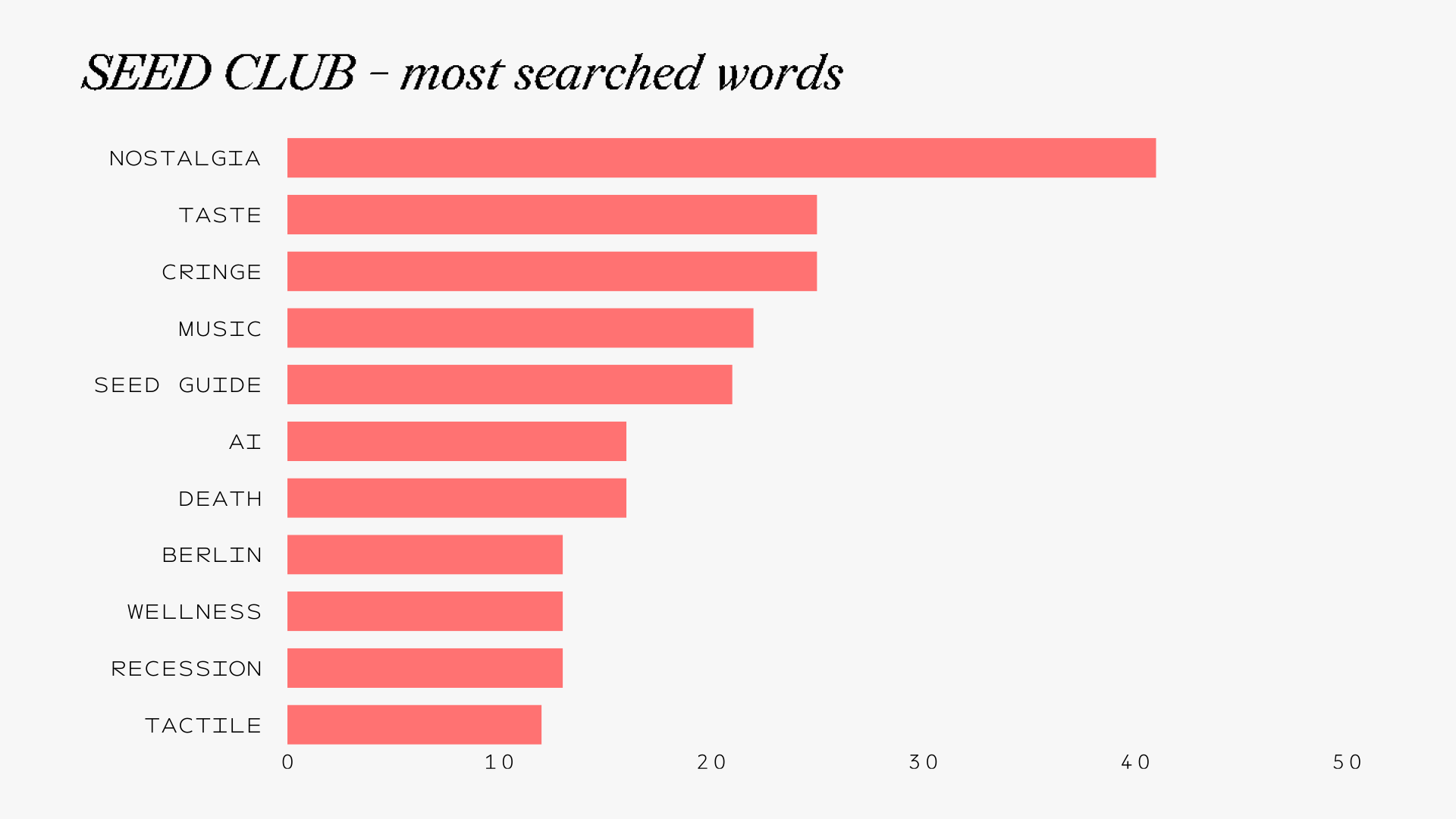
By the end of the year, 94 SEEDs had been planted, each a sharp probe into the new rhythms and rituals of our time; written by 46 (human) contributors from SEED CLUB, our decentralised research community.
Once shared with the world, these germinating ideas created a web of cultural mycelium – spotlighting where movements began, where existing behaviours decayed and where fresh growth emerged. Each piece acted less like a static article and more like a microscopic rhizome pushing between the bricks of the everyday, tilting our curiosity, sense of humour and unease in equal measure.
SEEDS are not forecasts but feelers: they're less a conclusion and more an invitation to embrace a living and breathing idea that's fluid, unexpected and memorable - long before it's recognised as a trend.
As we close the chapter on 2025, we look back on not just a body of work, but a chaordic garden of enquiry; one that keeps us alert to the subtle, the emergent and the uncultivated edges of culture.
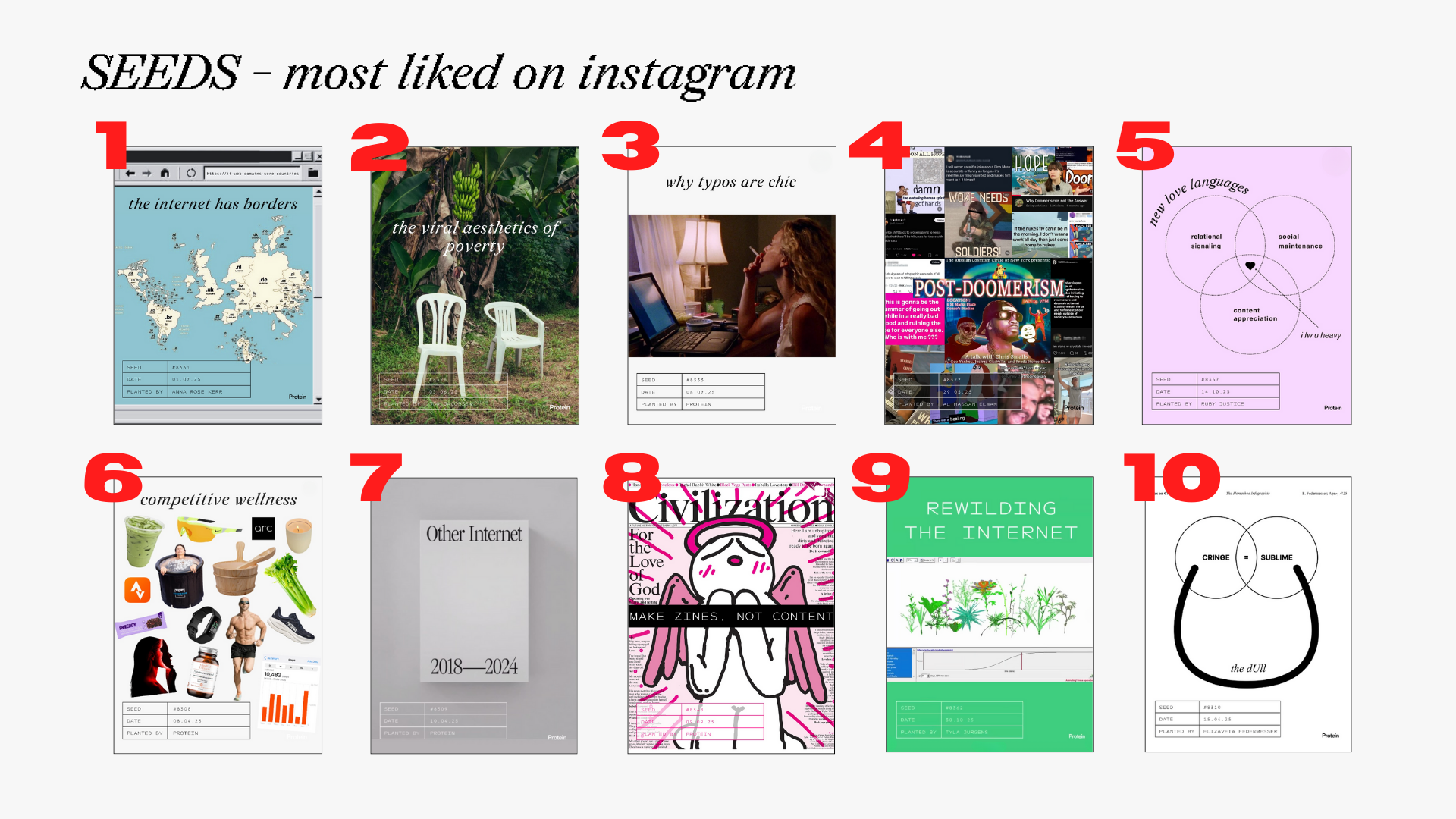
Top 10 SEEDS
(Based on how far they resonated beyond Protein.XYZ)
- Cringe = Sublime by Elizaveta Federmesser
Cringe can be a cultural superpower, argues Elizaveta. Awkwardness isn’t inherently bad; in some moments, it even brushes up against the sublime. Sometimes, timing is the only thing separating the two. - Ambiguity Maxxing by Sophia Epstein
In a world obsessed with likes and followers, mystery is a strategy. Keep secrets, create for micro-communities and make people ask questions AI can’t answer. Hide in corners the algorithm can’t shortcut and embrace illegibility – inside jokes are your currency. - New Love Languages by Ruby Thelot
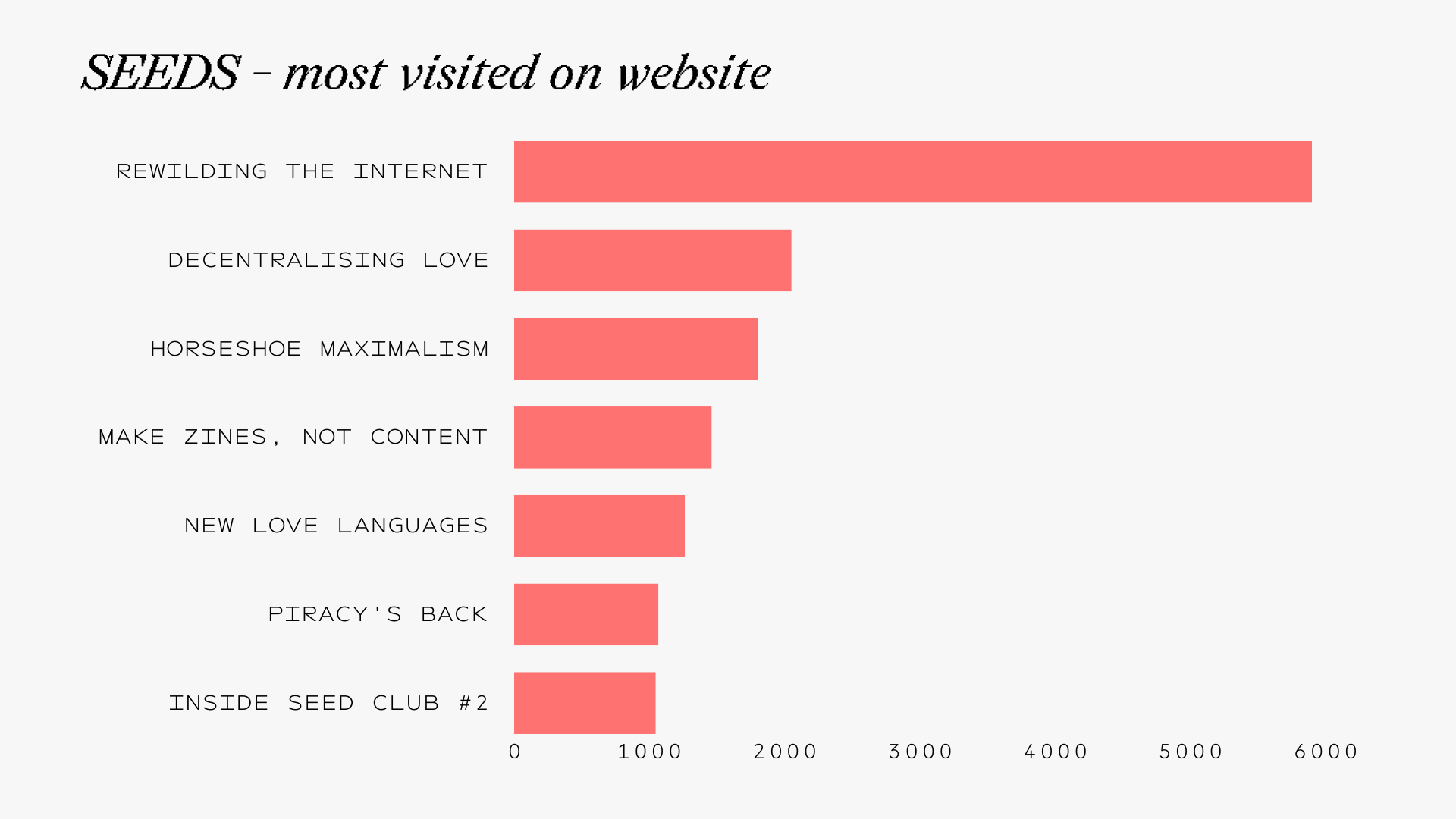
“With every new technology, we find new ways of showing affection. With every new technology, there emerges a new love language,” writes Ruby Thelot. With Instagram and TikTok, what does it really mean when someone likes your stories? “In spite of their easy quantification, these new modes of interaction complicate interpersonal communication by introducing noisy and unclear signals, while being positioned as potential markers of intimacy. We can understand, based on these factors, why such interactions are so fraught. There is, of course, nothing humans love more than ambiguity and the consequent anxiety.” - Post-Doomerism by POSTPOSTPOST
This essay argues that post-doomerism arises not from renewed optimism, but from exhaustion with collapse narratives, as pessimism has grown stale. Amid AI slop, political decay and cultural distrust, a new “Internet-Realism” emerges – marked by ironic sincerity, post-cringe affect and a tentative willingness to act and feel again. Post-doomerism is less about hope than boredom with dooming: a self-aware attempt to begin again, even if we can’t yet spell what that beginning is – exemplified by the “In the beninging” TikTok that went viral. - Meme to Brand
Culture travels through memes, not just what’s made. Instagram and TikTok are the digital water coolers of our generation, and brands that participate well can become part of the cultural flow. But for every success, thousands of attempts fall flat. We asked SEED CLUB what makes memes move and matter. - Sean and Edmond
Protein’s first Group Chat brought together Sean Monahan (founder of K-HOLE, the trend forecasting collective that gave the world the term normcore as well as vibe shift and boom boom aesthetic) and Edmond Lau (cultural strategist exploring fashion, tech and new media). Their conversation covered the unswaggy valley, the globalisation aesthetic, dark mode and the triad of capital. - Signs of the ‘New Ugly’ by Jon Jacobsen
Ugly used to repel us but now it offers comfort. The new ugly protects us from delusion, exposes flattened emotion and warns when stories are too smooth to trust. Its dissonance jolts the senses. “The new ugly isn’t here to scare us. It’s here to wake us up.” - Competitive Wellness
Wellness culture has become a billion-dollar industry – but the pursuit of peak performance often leaves people worse off. Competitive wellness and biohacking can fuel burnout, exposing the darker side of our obsession with self-optimisation. - The New Soft Boys
Exploring hybrid and inclusive masculinity means tracing how male identity is being rewritten in real time. As culture shifts, the old rules – dominate, suppress, endure – no longer hold. In their place, artists and brands are shaping new modes of expression that reject brute force and emotional silence. What emerges is a quieter, more fluid confidence: a masculinity that treats softness not as weakness, but as cultural power. - Makes Zines, Not Content
It’s not just what you say – it’s how you make people feel. Treat content as information and it evaporates; treat it as world-building, and it becomes sticky, trusted and meaningful.
And let's not forget that we continually nurture and grow SEEDS into FORUMS:
 Protein
 Protein
 Protein
 Protein
 Protein
 Protein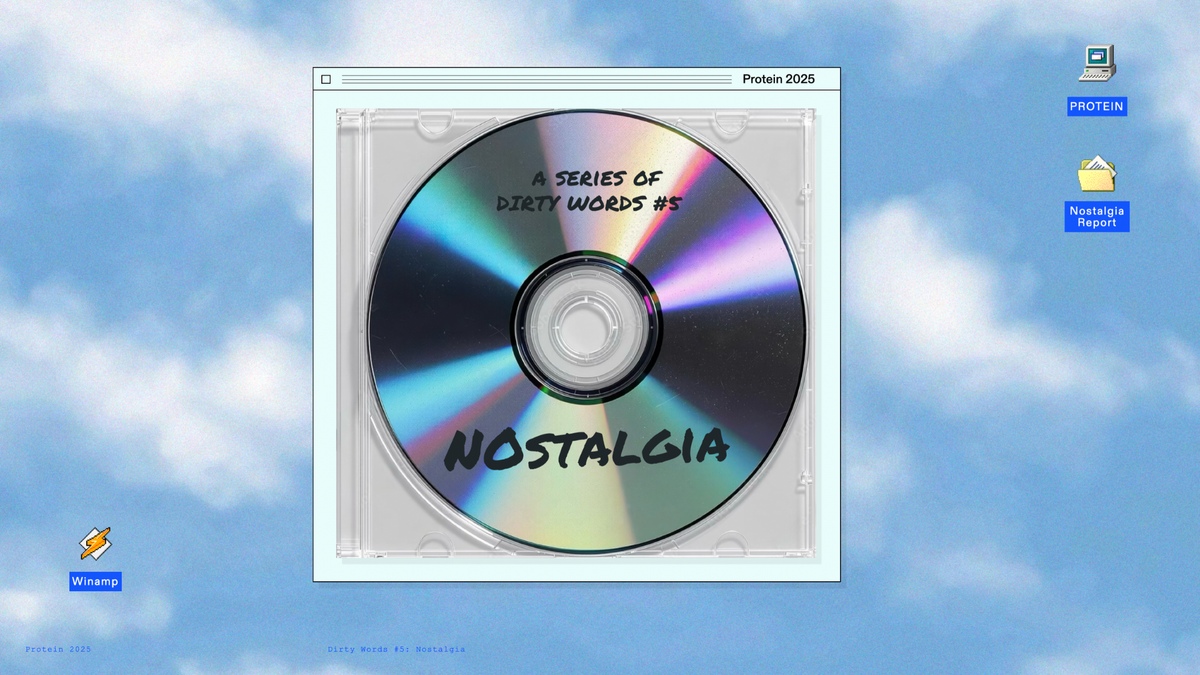
and BRIEFINGS:
 Protein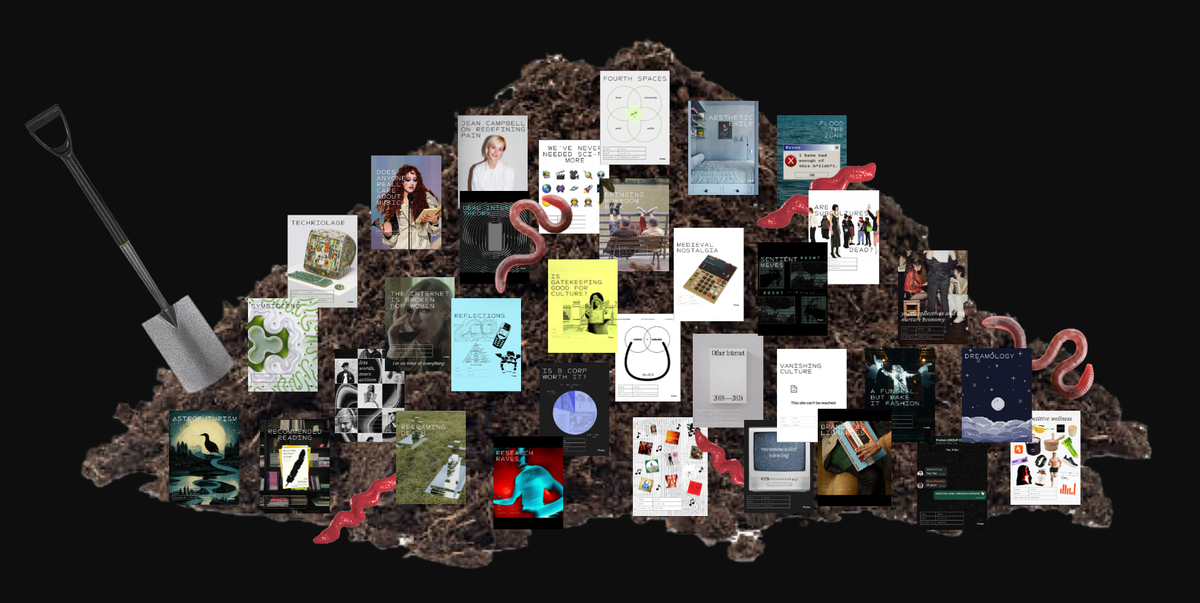
 Protein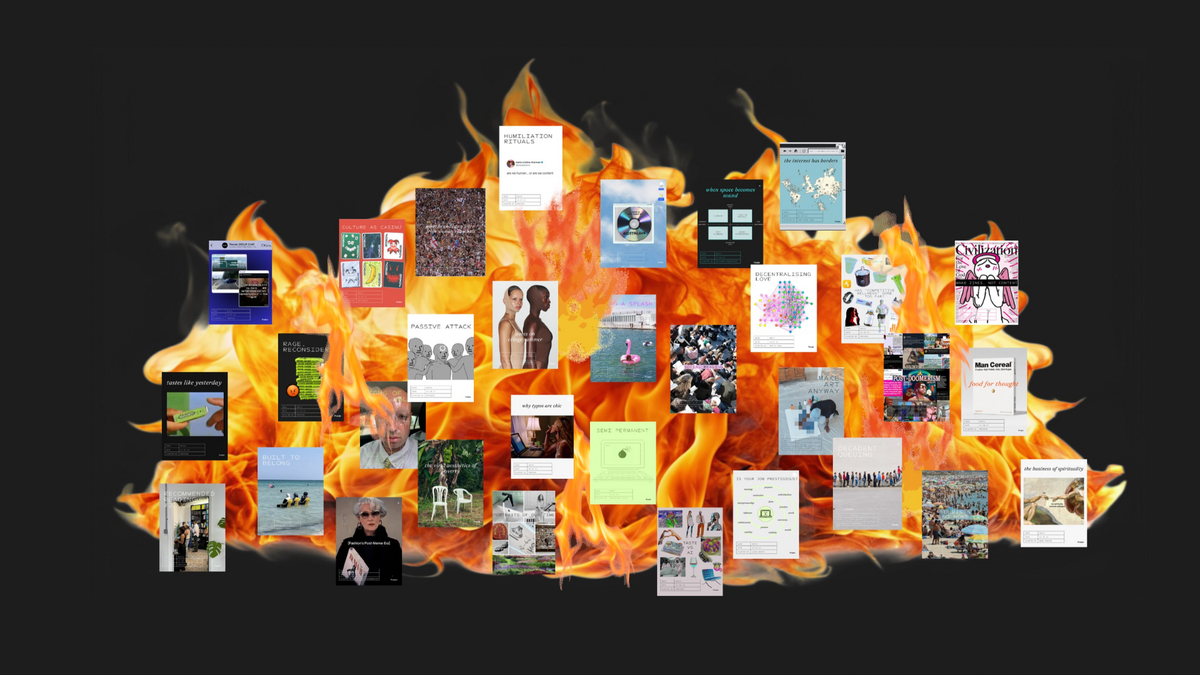
So, there we have it. Thanks for taking the time to be part of our cosy corner of the internet this year and our intentions for 2026? Continuing to slowly and intentionally help people and ideas grow.
| SEED | #8375 |
|---|---|
| DATE | 18.12.25 |
| PLANTED BY | PROTEIN |
